- Category
- World
Austria’s Raiffeisen Bank at Center of Contention as EU Fails to Pass New Sanctions
 Prefer U24 Media on Google
- Authors

-72b63a4e0c8c475ad81fe3eed3f63729.jpeg "Photo of Cyril Barabaltchouk")
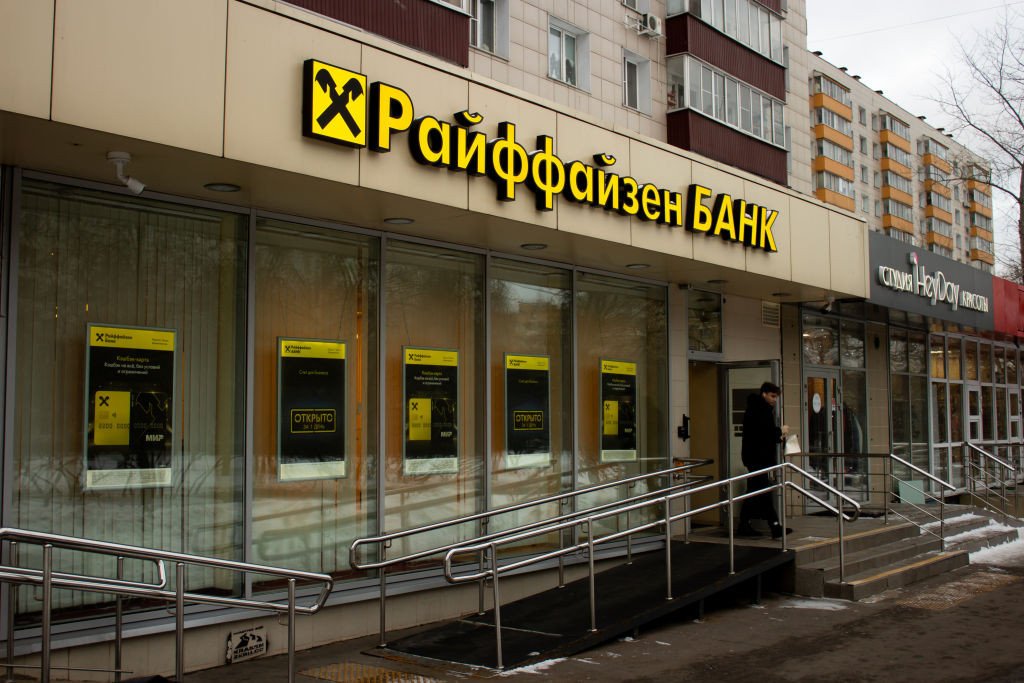
The European Union delayed approval of its 21st sanctions package against Russia, stalling a critical effort to clamp down on Moscow’s war economy due to disputes over Austria’s Raiffeisen Bank International AG and restrictions on Russian liquefied natural gas (LNG), Bloomberg reported on July 13.
The standoff over Austria’s largest lender, Raiffeisen Bank International, remains one of the primary roadblocks in Brussels. Bloomberg reported that several member states have pushed for tougher measures targeting financial institutions facilitating capital flows to Russia. Vienna, on the other hand, has consistently sought to shield Raiffeisen from restrictive measures that could jeopardize its remaining lucrative operations inside the country.
We bring you stories from the ground. Your support keeps our team in the field.
The dispute over the bank, along with disagreements over Russian LNG rules, prevented EU foreign ministers from finalizing the package during weekend negotiations.
Apart from the banking and gas disputes, EU ambassadors also remained divided over a proposal to freeze the bloc’s floating price cap on Russian oil. Under the mechanism adopted last year, European maritime firms are barred from servicing Russian crude sold above a threshold designed to remain 15% below market rates. However, Bloomberg writes that, with global oil prices surging due to escalating war in Iran, the ceiling is poised to jump significantly above its current $44.10 level if member states fail to agree on a freeze.
The continuing gridlock has drawn criticism from hawkish Baltic and Eastern European member states, who warn that national economic interests are eroding collective security. Despite the impasse, EU foreign policy chief Kaja Kallas confirmed that ministers did bypass the bottleneck to approve 250 rolling individual listings targeting banks, crypto operators, and shadow tankers.
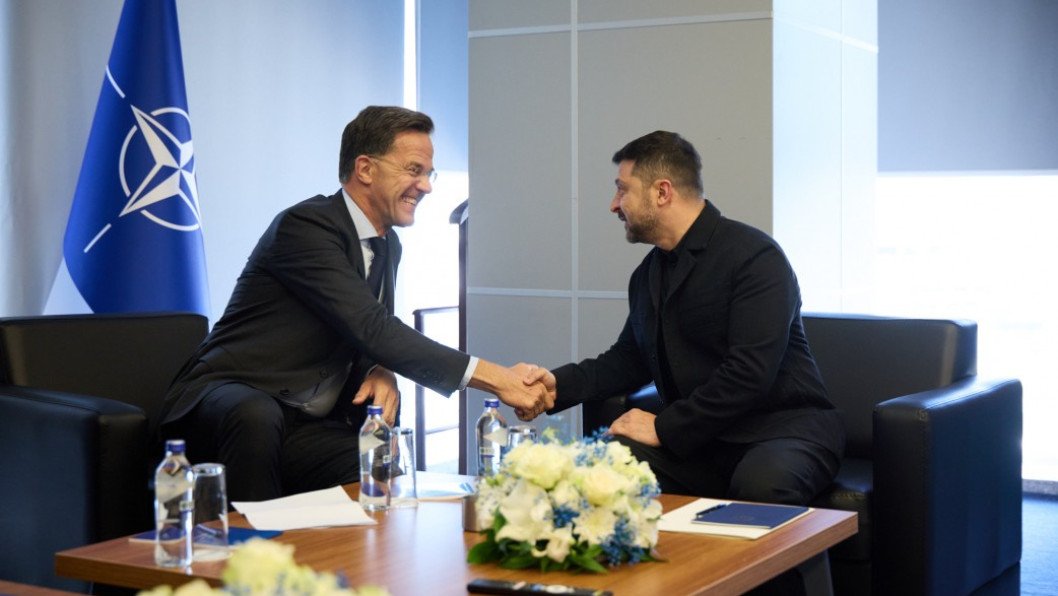
Kallas emphasized that “the financial backbone of Russia’s war machine is the main target” of these listings, though she acknowledged that “plan B” options are already being prepared if a consensus on the oil price cap remains elusive, Bloomberg reported.
First proposed by the European Commission on June 9, the 21st sanctions package is part of a multi-year economic campaign to degrade Moscow’s military funding since the 2022 invasion of Ukraine. However, as Lithuanian Foreign Minister Kęstutis Budrys cautioned, negotiations are increasingly dominated by domestic commercial concerns rather than strategic geopolitical goals. Bloomberg noted that the rotating Irish EU presidency has scheduled an emergency meeting of ambassadors to break the deadlock on Raiffeisen and LNG, hoping to salvage the package before the oil cap deadline expires.
The internal friction over sanctions against Russia occurs alongside parallel efforts to fast-track targeted individual designations. While the broader sanctions package remains unresolved, member states have moved ahead with a record batch of 250 individual asset freezes and travel bans targeting Russian operators linked to recent strikes on civilian infrastructure.
Discuss this article:
-4a56a6b482ec132402c16ef6fcabf9a2.png)

-111f0e5095e02c02446ffed57bfb0ab1.jpeg "Photo of Roman Kohanets")

-c439b7bd9030ecf9d5a4287dc361ba31.jpg "Photo of Katherina Popilnichenko")