- Category
- World
EU Prepares Largest-Ever Batch of 250 Individual Sanctions Against Russia over Civilian Attacks
 Prefer U24 Media on Google
- Authors

-72b63a4e0c8c475ad81fe3eed3f63729.jpeg "Photo of Cyril Barabaltchouk")
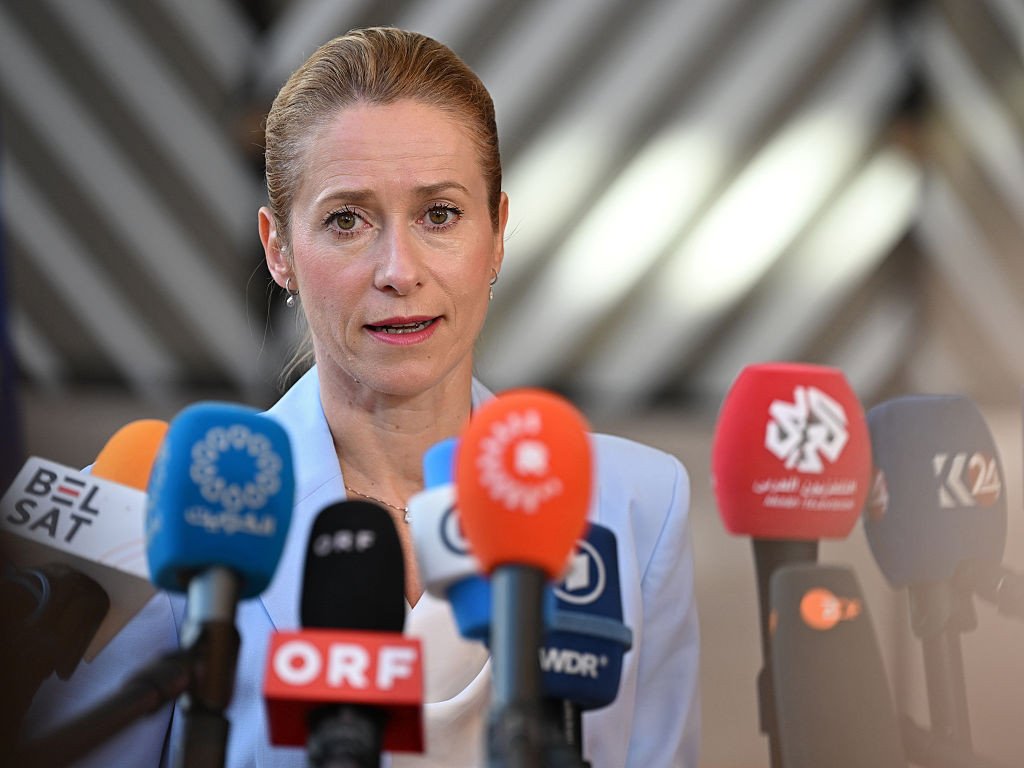
The European Union is poised to approve a record individual sanctions list targeting 250 Russian individuals and companies, Suspilne reported on July 13.
The proposed restrictions represent the largest single batch of individual designations the bloc has advanced to date, serving as a direct response to recent Russian strikes against civilian populations.
We bring you stories from the ground. Your support keeps our team in the field.
EU High Representative for Foreign Affairs and Security Policy Kaja Kallas stated before a Foreign Affairs Council meeting that while an agreement on a 21st comprehensive sanctions package remains outstanding, member states expect to finalize the individual listings immediately.
“We have a list of 250 people,” Kallas said, noting the targets span various sectors and activities. “I hope that we can adopt it today.”
Despite the anticipated progress on individual listings, underlying divisions persist over structural economic penalties against Moscow. Lithuanian Foreign Minister Kęstutis Budrys confirmed that member states have not yet reached a consensus on the overarching 21st sanctions package, according to Suspilne.
Budrys revealed that Vilnius is lobbying for the inclusion of major Russian state-backed energy conglomerates, such as Rosatom and Lukoil, alongside stricter prohibitions on liquefied natural gas (LNG) transshipment and professional services. He cautioned strongly against allowing commercial interests to dilute Western security policy, stating that economic interests must not override foundational security imperatives.
The diplomatic gridlock extends beyond economic penalties to critical integration and defense funding mechanisms for Kyiv. Budrys criticized the slow pace of Ukraine’s EU accession framework, noting that only the second and sixth negotiation clusters are scheduled to open, while the remainder have been deferred until autumn, Suspilne wrote.
Furthermore, a €6.6 billion ($7.5 billion) tranche under the European Peace Facility remains stalled. Budrys characterized these persistent administrative delays as counterproductive to European security interests, adding that there are no objective grounds to continue blocking the defense funds.
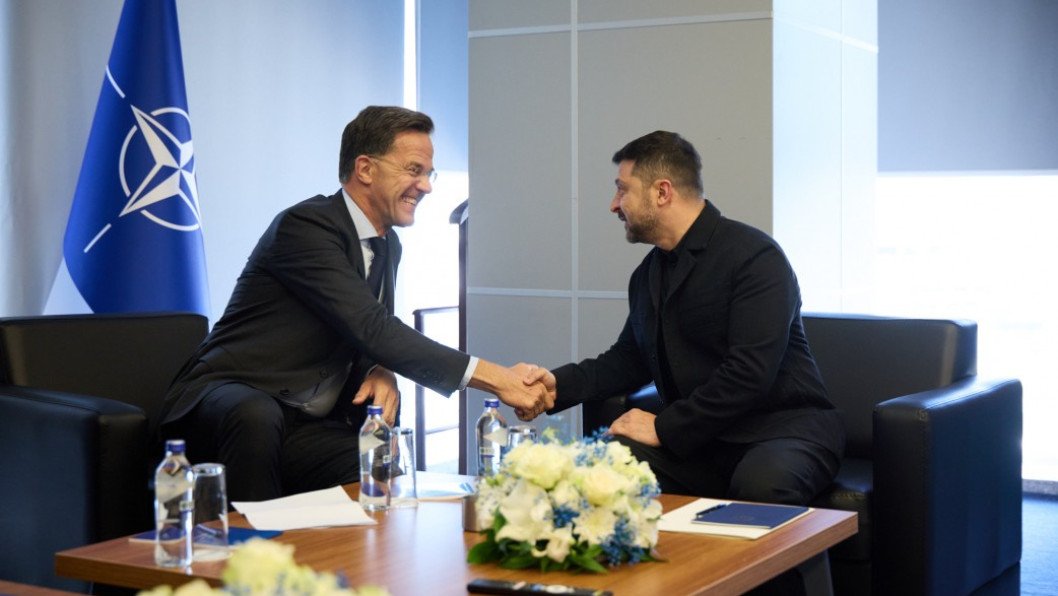
The disagreement within the EU contrasts with financial commitments formalized during a recent NATO summit in Ankara, where allies pledged €70 billion ($80 billion) in security assistance for Ukraine, with an identical commitment slated for the following year.
-44c925e1fe4bfba894eb6248de861461.jpg)
As reported by Suspilne, Budrys emphasized that member states must rapidly convert these high-level political pledges into immediate battlefield capabilities. He underscored the urgency of accelerating defensive and humanitarian aid ahead of the upcoming winter season, noting that Russia’s targeting of Ukraine’s power grid mandates a unified response, including the immediate provision of electrical generators, transformers, and critical engineering infrastructure.
Delays in finalizing comprehensive trade penalties against Moscow follow initial legal drafts for the comprehensive restrictions, which would primarily focus on destabilizing Russia’s financial sector.
Under those proposed frameworks, European authorities intend to penalize nearly 90 additional banks and place strict caps on international cryptocurrency transactions, effectively cutting off more than half of Russia’s remaining internationally connected financial institutions.
Discuss this article:
-9a7b3a98ed5c506e0b77a6663f5727c5.png)




-c439b7bd9030ecf9d5a4287dc361ba31.jpg "Photo of Katherina Popilnichenko")