- Category
- World
EU Softens Proposed Travel Ban on Russian Soldiers After France and Italy Intervene
 Prefer U24 Media on Google
- Authors

-c439b7bd9030ecf9d5a4287dc361ba31.jpg "Photo of Katherina Popilnichenko")
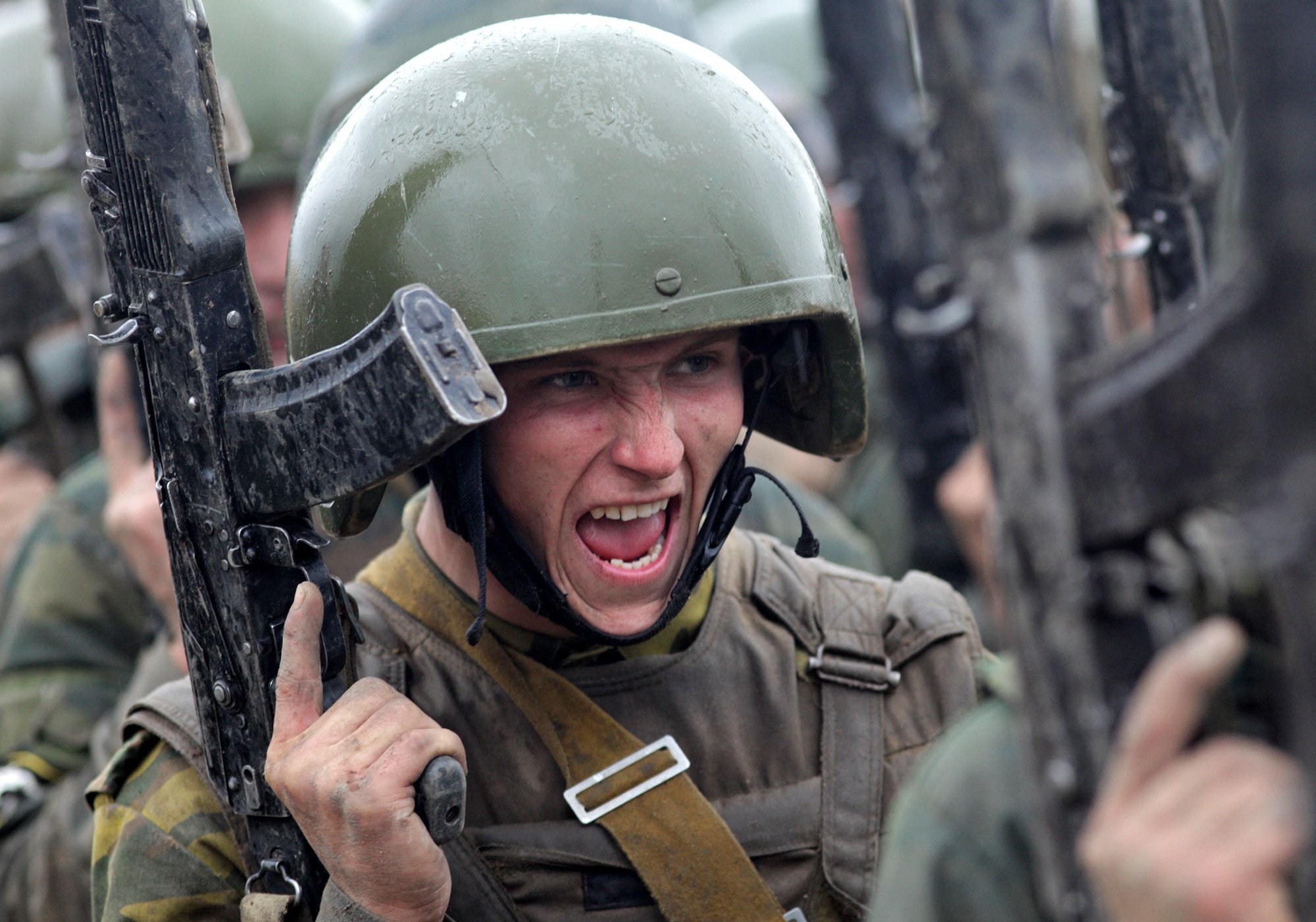
The European Union is now considering a significantly softened version of proposed visa restrictions on Russian military personnel after France and Italy objected to an initial, broader plan.
This current debate follows a June 9 proposal by the European Commission, which initially sought a much wider ban within the 21st sanctions package to bar any Russian military personnel fighting against Ukraine from entering the EU, according to Euronews on July 8.
We bring you stories from the ground. Your support keeps our team in the field.
EU ambassadors are currently discussing these modified terms with the goal of finalizing and adopting the package by mid-July.
The revised measures will limit restrictions to short-term visas and apply only to Russian citizens who actively participated in combat operations in Ukraine following Russia’s full-scale invasion of Ukraine in February 2022.
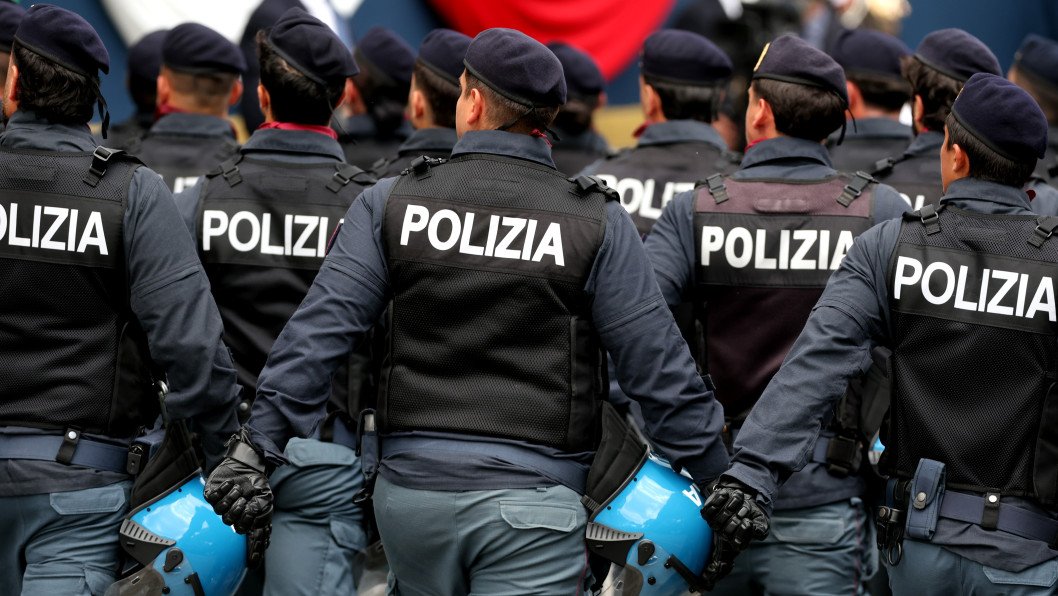
The original draft aimed to cast a wider net by targeting any individual who performed functions in the Russian armed forces, including administrative and logistics staff. Paris and Rome pushed back against the sweeping language, asserting that travel restrictions belong within the framework of visa policy rather than formal sanctions packages.
In an effort to address these diplomatic reservations, Ireland, which currently holds the presidency of the Council of the EU, suggested narrowing the restriction exclusively to short-term visas. The updated text specifically targets individuals serving or who have served in the Russian armed forces or irregular Moscow-controlled paramilitary units acting on its behalf.
The updated draft also expands the list of humanitarian and security exceptions. Entry or transit may still be permitted based on national security interests, international obligations, or humanitarian grounds.
However, even if an exception is granted, the visa will remain valid only for the specific EU member state that issued it, preventing the holder from traveling freely across the Schengen Area without explicit approval from other member states.
Despite these adjustments, France and Italy continue to raise legal and practical concerns regarding the administrative burden on consular networks and potential future courtroom challenges. While EU officials justify the measures on security grounds, there are currently no official estimates on how many Russian nationals would be affected by the upcoming visa ban.
The proposal follows initial steps taken on June 12, when reports emerged that the European Union began examining entry restrictions specifically aimed at Russian citizens who participated in combat operations against Ukraine.
On June 30, 2026, France became the fourth European Union nation to introduce more stringent visa issuance procedures for Russian citizens, stopping the acceptance of applications from third-party representatives unless they were immediate family members.
This policy shift followed similar restrictive moves by Spain, Italy, and Hungary, occurring amid a broader European debate regarding a complete entry ban for Russian nationals. At the time, the issue drew further scrutiny in France after it was revealed that a former head of the state-owned propaganda outlet RT France had been granted a long-term residence permit.
Discuss this article:




-72b63a4e0c8c475ad81fe3eed3f63729.jpeg "Photo of Cyril Barabaltchouk")