- Category
- World
Berlin Reinforces Russian and Soviet Symbol Bans at War Memorials for May Holidays
 Prefer U24 Media on Google
- Authors

-c439b7bd9030ecf9d5a4287dc361ba31.jpg "Photo of Katherina Popilnichenko")
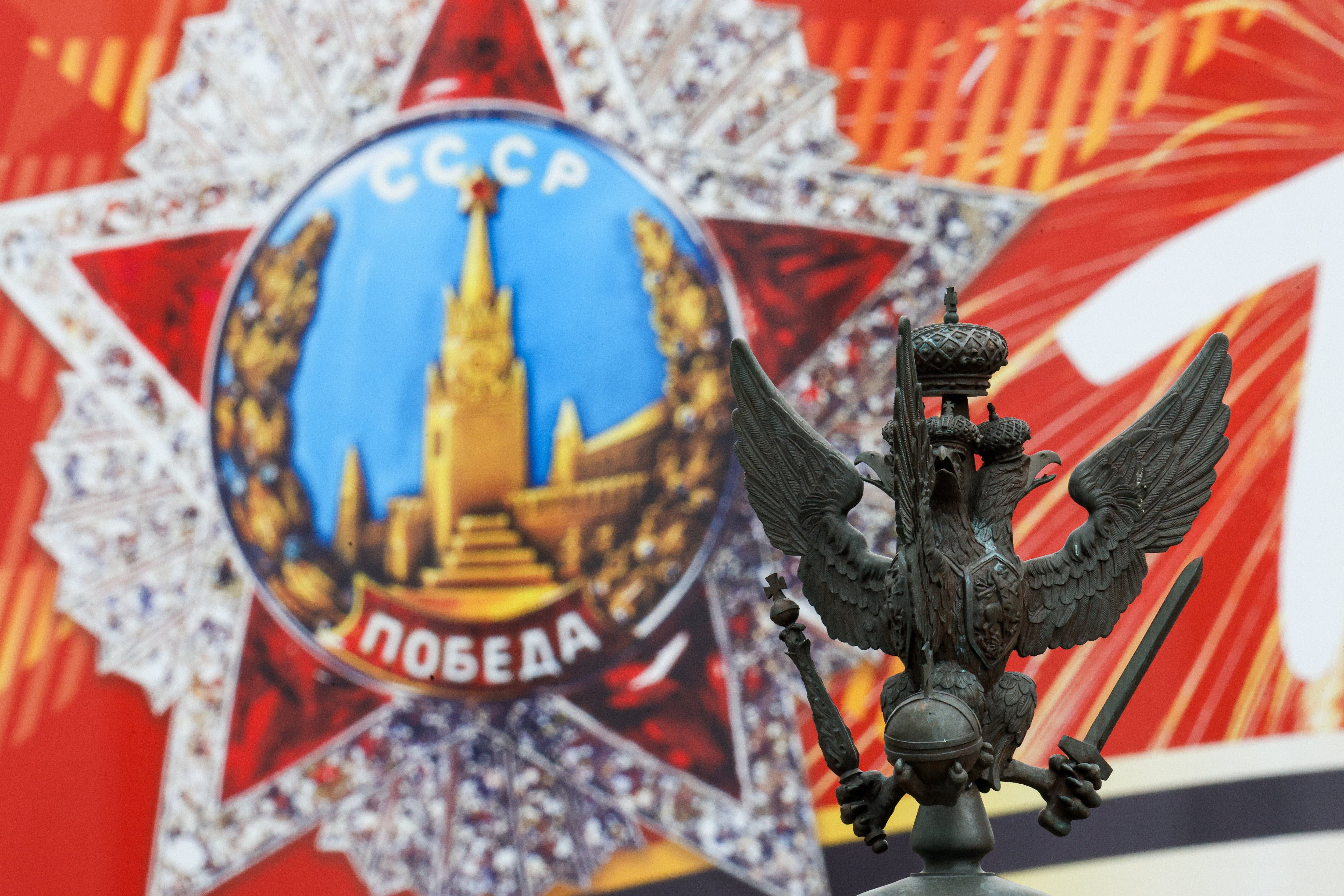
Berlin authorities have officially reissued a ban on the display of Soviet and Russian symbols at major military memorials for the upcoming May 8 and 9 commemorations.
The restrictions will be active at the Soviet memorials in Treptower Park, Tiergarten, and Schönholzer Heide, according to Deutsche Welle on May 6.
We bring you stories from the ground. Your support keeps our team in the field.
The administrative order, originally drafted in late April and published on May 6, limits public access and assembly rights near these sites from early morning on May 8 until late evening on May 9. Prohibited items include military uniforms, rank insignia, Saint George ribbons, and the letters Z and V.
The ban also covers flags and objects representing Russia, the Soviet Union, Belarus, and the Chechen Republic, as well as portraits of their leaders. Maps of Ukraine that do not show the country with its internationally recognized borders are also restricted.
The police have also restricted the playing of Russian military and marching songs, including various versions of "The Sacred War," and any other public actions that could be seen as justifying Russia’s full-scale invasion of Ukraine.
These rules apply to all visitors at the designated locations, though exceptions are made for diplomatic delegations and specific officials. Veterans of World War II are also permitted to wear their uniforms and medals, and prohibited symbols are allowed when they are part of wreaths or floral tributes placed at the monuments.
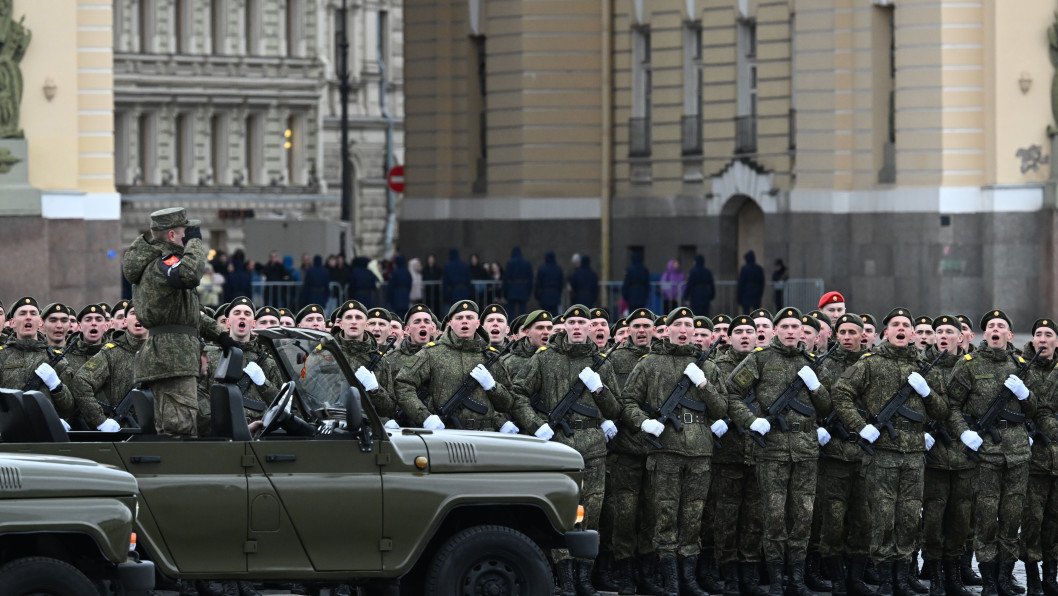
Berlin authorities explained that symbols like the Saint George ribbon and Soviet flags have taken on a different meaning due to the current geopolitical situation. Officials noted that Russian state messaging links the historical victory over Nazism with the current military actions in Ukraine. This connection makes it difficult for authorities to separate historical remembrance from active support for current aggression.
The Z symbol is specifically noted as a mark of approval for the invasion and its display may lead to criminal charges. Furthermore, the city expressed concern for the large population of Ukrainian refugees currently living in Berlin. For these individuals, the display of such military symbols is viewed as a form of intimidation.
These restrictions have been implemented annually since 2022. In previous years, police reported numerous violations and confiscated hundreds of items, including uniform pieces and flags. Past events have seen tensions between different groups at these sites, requiring police intervention to maintain public order.
The Narva Museum in Estonia will display a poster labeling Russian President Vladimir Putin a war criminal on the wall of the Hermann Castle this May 9. This installation will continue a tradition established in 2023 to highlight the reality of Russia’s full-scale invasion of Ukraine.
According to the museum director, the banner will serve as a symbolic reminder of current events for the border city during Europe Day. In addition to the poster, the museum will host an exhibition titled "Mariupol — City of Happiness, City-Ghost" and organize an international conference to encourage open dialogue about the war and its impact on culture.
Discuss this article:
-4a56a6b482ec132402c16ef6fcabf9a2.png)