- Category
- World
Brussels Reopens EU Fur Market to Russian “Soft Gold” Despite Sanctions
 Prefer U24 Media on Google
- Authors

-111f0e5095e02c02446ffed57bfb0ab1.jpeg "Photo of Roman Kohanets")
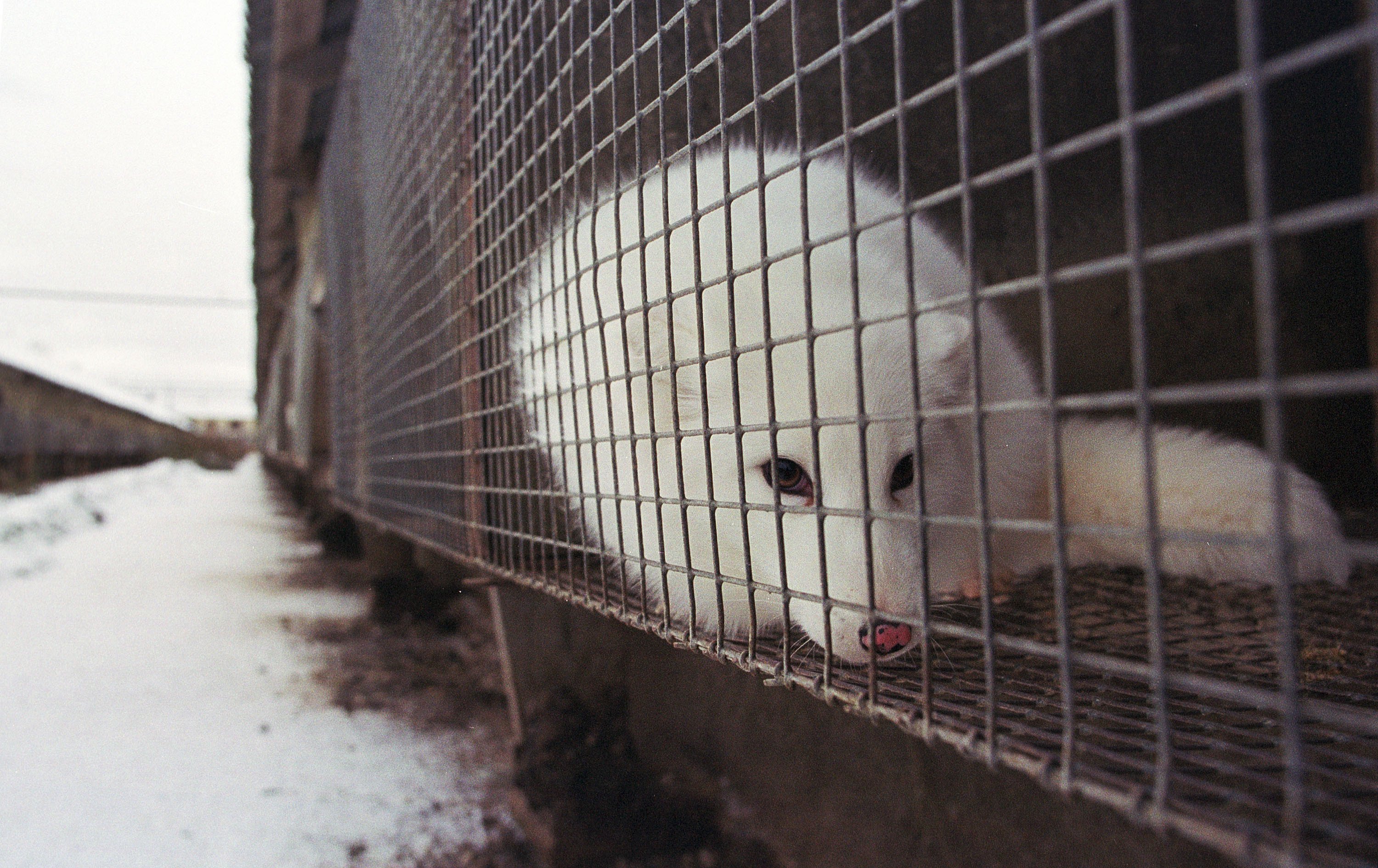
The European Union will allow imports of prized Russian sable pelts to resume, lifting a ban introduced only in April after pressure from Italy and Greece.
The exemption was included in the bloc’s latest sanctions package against Moscow, agreed last week, Euractiv reported on July 27.
We bring you stories from the ground. Your support keeps our team in the field.
The European Commission argued that the carve-out was necessary because Russia dominates the global sable trade, leaving European manufacturers with few alternative suppliers.
“Apparently, it’s very difficult to get them anywhere else,” a senior EU official said.
Italy and Greece, the two main EU buyers of Russian sable pelts, pushed for the exemption, an unnamed EU diplomat told Euractiv.
Sable, a small carnivorous mammal native to northern Asia, yields what is widely considered the world’s most valuable fur. Coats made from sable can sell for six-figure sums, giving the material its “soft gold” nickname.
Despite Russia’s full-scale invasion of Ukraine, Greek and Italian companies have remained among the leading foreign buyers at the country’s only international fur auction, alongside purchasers from China and Russia.
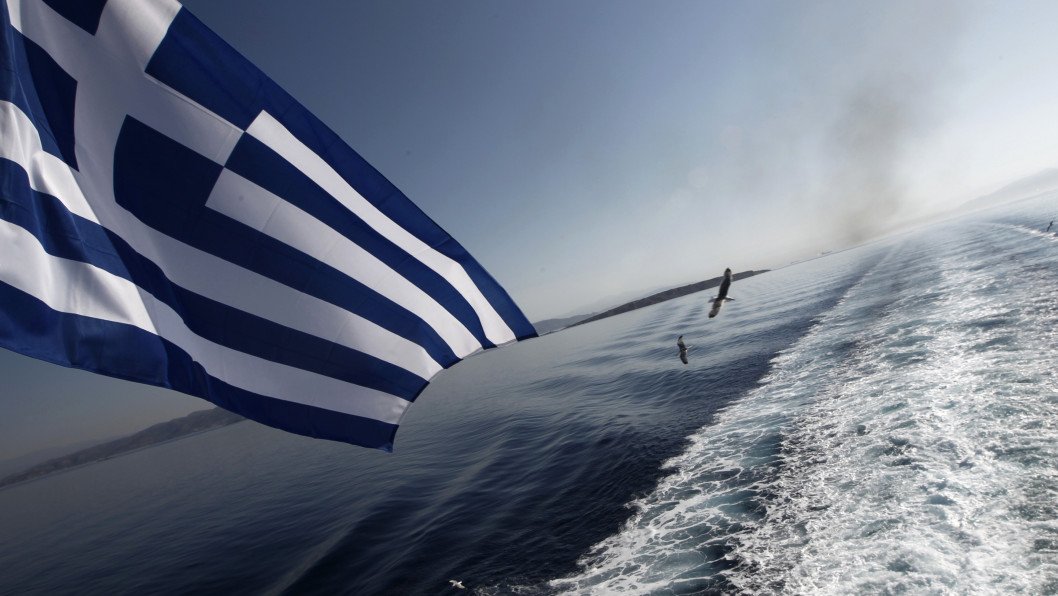
The exemption applies only to raw Russian sable pelts. Finished fur garments remain banned from entering the EU and from being exported to Russia under sanctions introduced in 2022, which also cover luxury goods, including diamonds and caviar.
The reversal comes as Brussels considers a possible EU-wide ban on fur farming, imports, and sales following a European citizens’ initiative. The European Commission has repeatedly delayed a final decision.
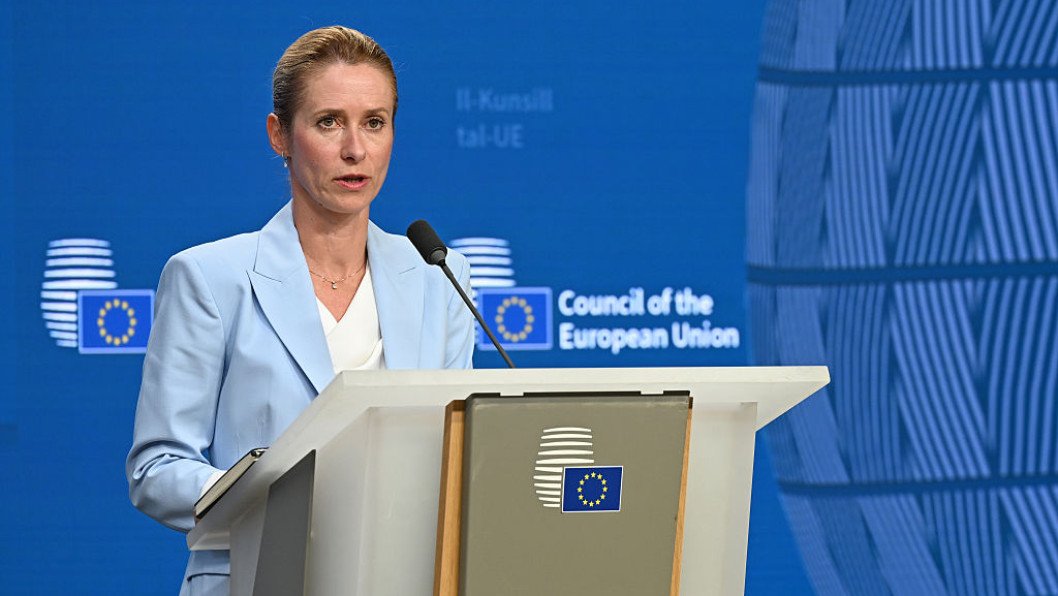
The concession to Italy and Greece reflects broader disagreements among EU member states over the latest sanctions package. France and Italy had also opposed a proposal to bar former Russian soldiers from entering the bloc, arguing that such restrictions should be handled through visa policy rather than sanctions.
The accommodation of Italy and Greece follows a broader pattern of member-state resistance to the same sanctions package.
France and Italy earlier balked at a proposal to bar former Russian fighters from entering the bloc, arguing that targeted travel restrictions belonged in visa policy rather than formal sanctions. Disputes also surfaced over the Russian oil price cap and curbs on liquefied natural gas shipments.
Discuss this article:
-9bd5e1532102621f8fb1c4ba871a3171.png)

-72b63a4e0c8c475ad81fe3eed3f63729.jpeg "Photo of Cyril Barabaltchouk")
-c439b7bd9030ecf9d5a4287dc361ba31.jpg "Photo of Katherina Popilnichenko")
-81832a4c5b6c559e60dac57a1b2b52df.jpg "A Japanese national flag is seen near the Himeji Castle on July 21, 2026 in Himeji, Japan. (Source: Getty Images)")
