- Category
- World
EU Allows Greek Shipping Firm to Transport Russian LNG to Break Veto on New Russia Sanctions
 Prefer U24 Media on Google
- Authors

-c439b7bd9030ecf9d5a4287dc361ba31.jpg "Photo of Katherina Popilnichenko")
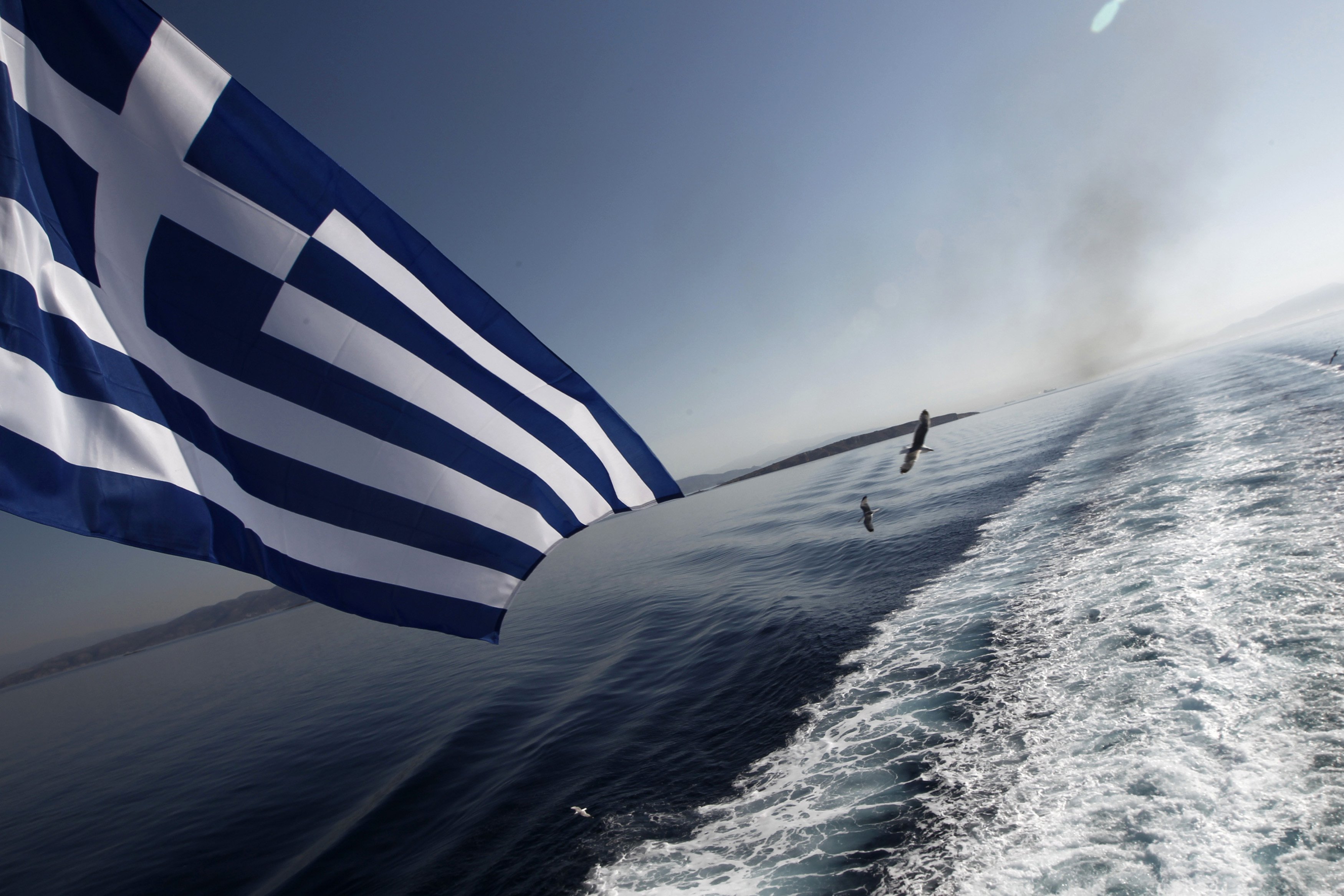
The European Union has agreed to permit a Greek shipping company to transport Russian liquefied natural gas (LNG).
This compromise persuaded Athens to unblock the approval of the 21st sanctions package against Russia. Under the agreement, Greek shipping company Dynagas, owned by billionaire George Prokopiou, received legal authorization to bypass the ban on transiting Russian gas, according to the Financial Times on July 23.
We bring you stories from the ground. Your support keeps our team in the field.
The permit will remain valid for 12 months with the possibility of extension.
The decision allows the company to continue using its fleet to transport LNG from Russia’s Yamal LNG project, though transport volumes will be capped at 2025 levels.
In exchange for this exemption, Greece agreed to extend the price cap on Russian crude oil at $44.10 per barrel for another year.
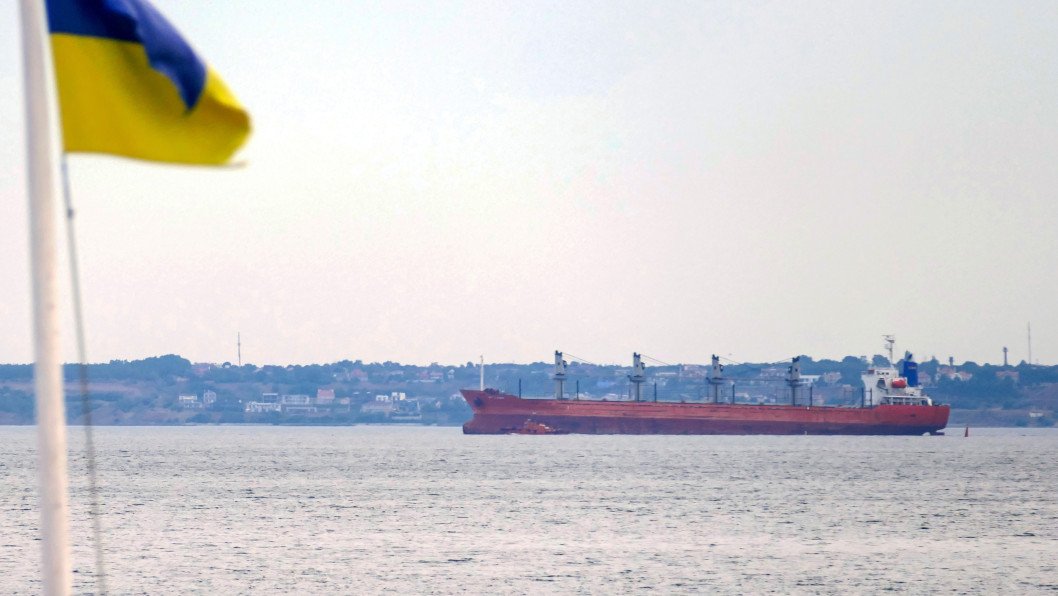
Athens had previously delayed the adoption of the 21st sanctions package due to concerns over potential economic losses resulting from a ban on re-exporting Russian gas.
In July 2026, it was revealed that Greek shipping companies had generated at least $3.8 billion transporting Russian oil over three years despite G7 sanctions. Dynacom Tankers, founded by billionaire George Prokopiou, led the trade with $915 million in revenues, while other Greek operators like Olympic Shipping, Stealth Maritime, and Polembros Shipping also earned hundreds of millions.
Eight of the top twenty shipping lines profiting from these exports were Greek, with the rest mostly being Russian state-backed entities like Sovcomflot. Although permitted under the G7 price cap mechanism—which allowed Western companies to transport crude sold at or below $44.10 per barrel—enforcement relied largely on unverified attestation forms, leading traders to pay a 30 to 40 percent premium for tankers carrying Russian oil.
Discuss this article:



-111f0e5095e02c02446ffed57bfb0ab1.jpeg "Photo of Roman Kohanets")


-421e8a9c474cc6ae67d60a56d7572c56.jpg "Russian ruble coins and one hundred dollars are seen on a table. (Source: Getty Images)")
-72b63a4e0c8c475ad81fe3eed3f63729.jpeg "Photo of Cyril Barabaltchouk")