- Category
- World
Greek Shipping Lines Generate $3.8 Billion Transporting Russian Oil Despite Sanctions
 Prefer U24 Media on Google
- Authors

-72b63a4e0c8c475ad81fe3eed3f63729.jpeg "Photo of Cyril Barabaltchouk")
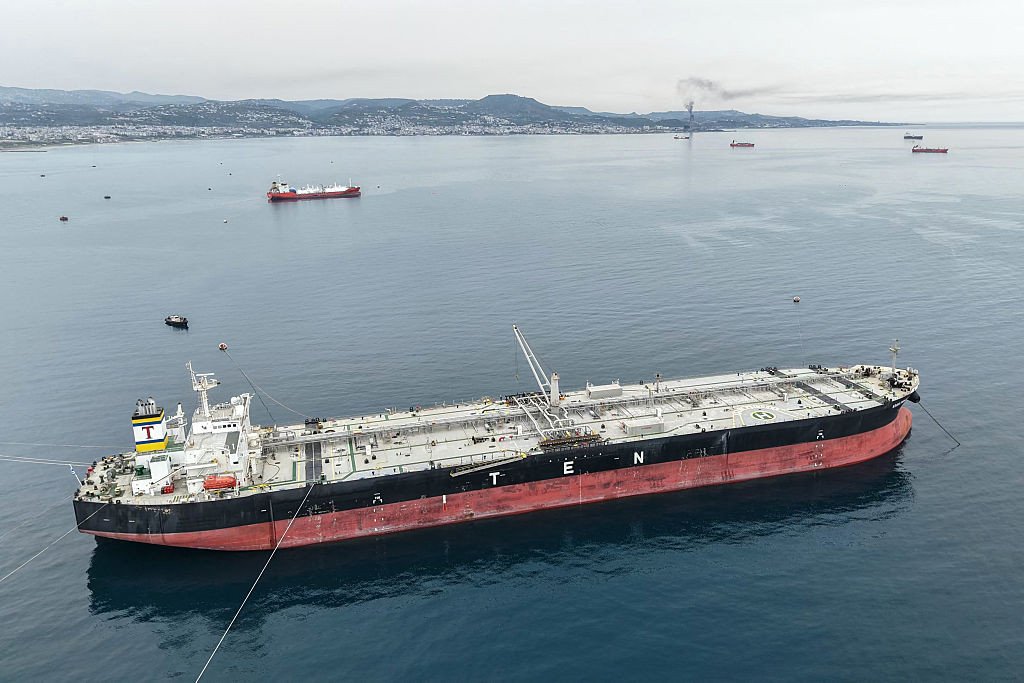
Greek shipping companies have generated at least $3.8 billion transporting Russian oil over the past three years, even as G7 nations sought to restrict the Kremlin’s energy revenues, according to a Financial Times analysis published on July 7.
It was revealed that Dynacom Tankers, founded by Greek shipping billionaire George Prokopiou, led the trade by securing at least $915 million in revenues, accounting for nearly a quarter of the total among Greek shipowners since July 2023. Other high-earning firms include the Onassis Group’s Olympic Shipping and Management, which made at least $404 million, followed by Athens-based operators Stealth Maritime and Polembros Shipping, which both surpassed $200 million.
We bring you stories from the ground. Your support keeps our team in the field.
Out of the top 20 shipping lines profiting from these shipments, the publication calculated that eight are Greek, while the remaining entries consist almost entirely of Russian state-backed entities like Sovcomflot and Rosnefteflot.
The Financial Times highlighted that this maritime activity remains permissible under the G7 price cap mechanism, which allows Western operators to provide transport and insurance services provided the crude is sold at or below $44.10 per barrel. However, former sanctions officials and legal experts told the publication that enforcement of this mechanism remains uneven. Shipowners are only required to verify compliance by producing printed attestation forms, frequently relying entirely on the word of the ship’s charterer or the Russian supplier without independent access to the final cargo sale price.
Because of the compliance complexities involved, shipbrokers tracked by the Financial Times noted that traders routinely pay a premium of 30 to 40 percent more for tankers to carry Russian crude compared to unsanctioned oil.
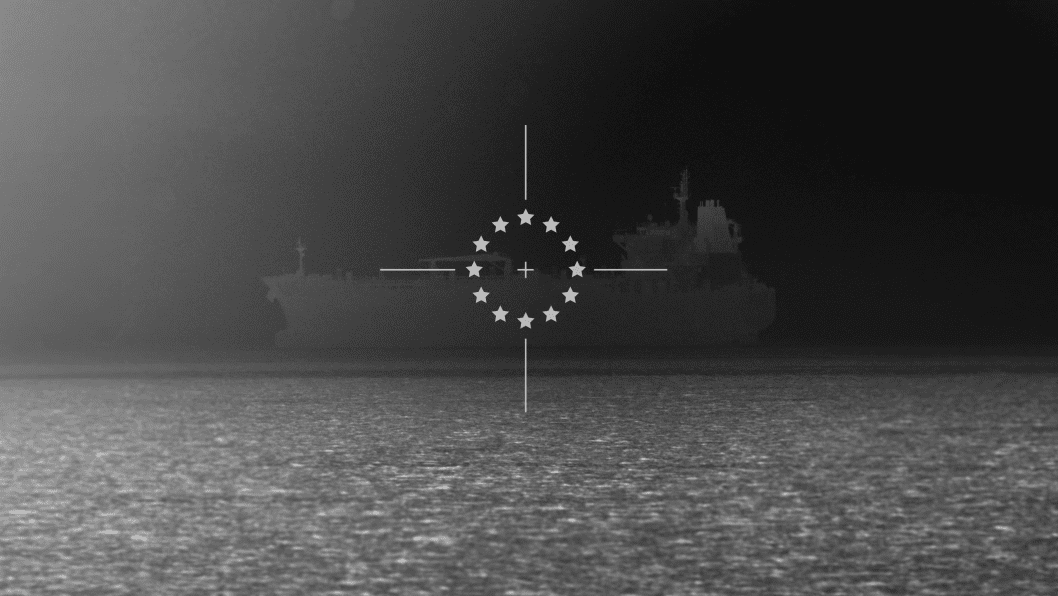
The prominent role of these transport fleets has served as a point of contention between Greece and Ukraine, according to the Financial Times. While several Greek operators were briefly designated as “international sponsors of war” by Ukrainian authorities in 2023, they were subsequently removed following diplomatic pressure from the Greek government. In closed-door European Union sessions, diplomatic sources reported to the Financial Times that the Greek and Cypriot governments have consistently opposed stricter energy caps to safeguard their domestic maritime sectors.
Despite the profitability of the trade, western regulatory adjustments have caused some operators to withdraw. The Financial Times reported that firms such as TMS Tankers and Thenamaris largely halted their Russian operations late in 2023 after the United States imposed sanctions on Turkish and United Arab Emirates maritime companies for exceeding price cap thresholds.
Additional pullbacks occurred following US sanctions against Rosneft and Lukoil in October 2025. This coordinated Western effort to tighten energy oversight arrives as Moscow faces domestic fuel supply issues driven by Ukrainian long-range drone strikes against its refining network.
This maritime trade faces potential restrictions under the EU’s proposed 21st sanctions package, which was introduced previously. The European Commission intends to freeze the oil price cap at its current level of $44.10 per barrel until January 2027. Without this measure, the cap is scheduled to automatically adjust upward to an estimated $75 per barrel on July 15 due to global market shifts, which would legally permit Greek tankers to transport higher-priced Russian crude under G7 rules.
Discuss this article:



-c439b7bd9030ecf9d5a4287dc361ba31.jpg "Photo of Katherina Popilnichenko")