- Category
- World
France and Italy Oppose EU Move to Ban Entry for Former Russian Soldiers
 Prefer U24 Media on Google
- Authors

-c439b7bd9030ecf9d5a4287dc361ba31.jpg "Photo of Katherina Popilnichenko")
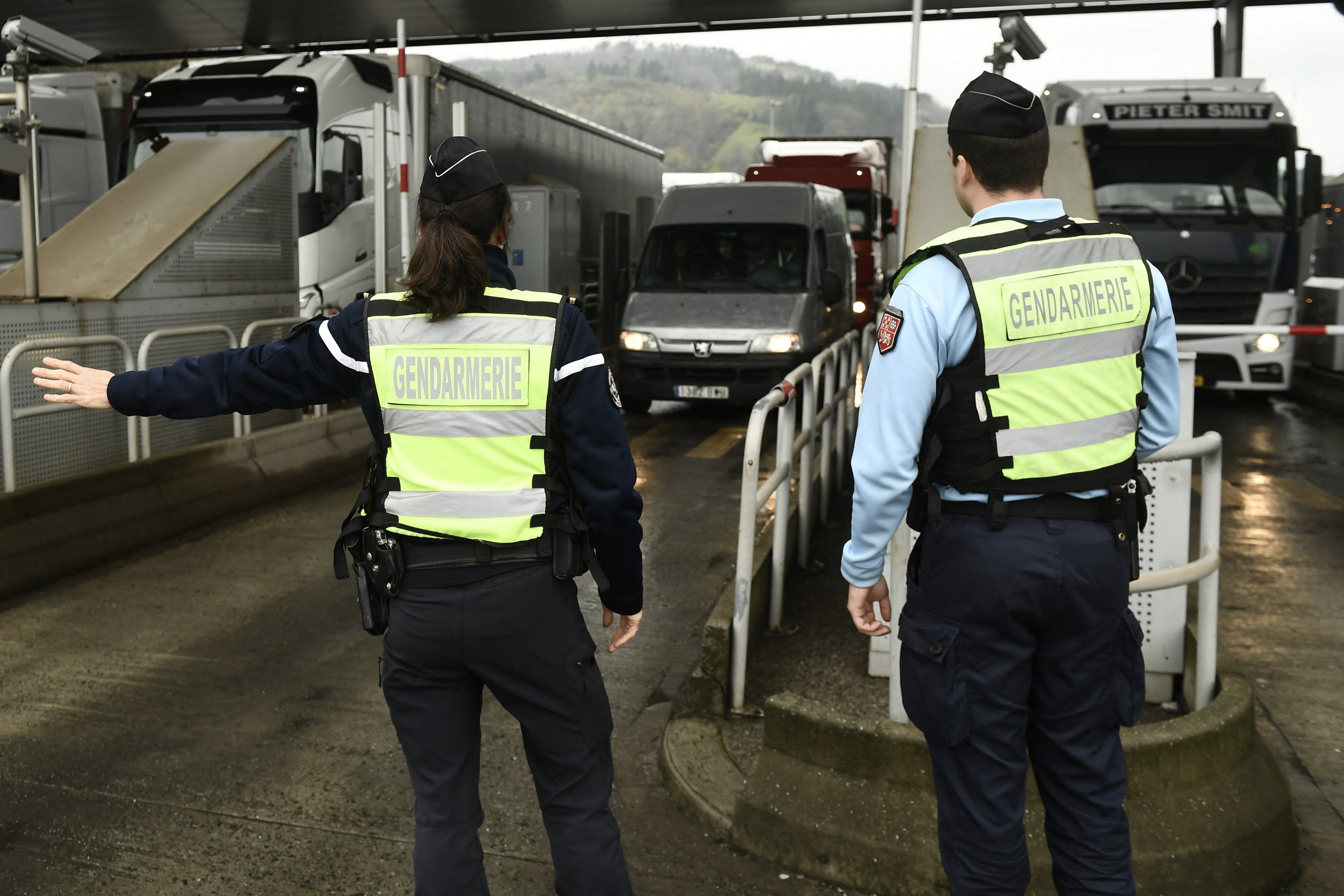
France and Italy are reluctant to support a European Union proposal to ban former Russian fighters from entering the bloc.
The proposed restrictions are part of a 21st sanctions package against Russia for its full-scale invasion of Ukraine, which member states are scheduled to discuss on June 26, as reported by Bloomberg.
We bring you stories from the ground. Your support keeps our team in the field.
Rome and Paris are concerned that the current wording could be interpreted as a blanket entry ban on Russian citizens, arguing that targeted travel restrictions would be better handled through visa policy rather than formal sanctions.
The latest sanctions package faces several other obstacles beyond the travel ban. Disagreements have emerged regarding the management of the Russian oil price cap, expanding restrictions to vessels carrying Russian liquefied natural gas, and limiting imports of specific Russian fish products.
France and Italy also noted that the EU proposal to bar former Russian soldiers would leave member states responsible for verifying who actually fought, which sources say is a difficult task.
Other challenges involve managing the price cap on Russian oil amid high market prices. The EU previously introduced a dynamic threshold to ensure Russian Urals fuel sells at 15% below the average market price.
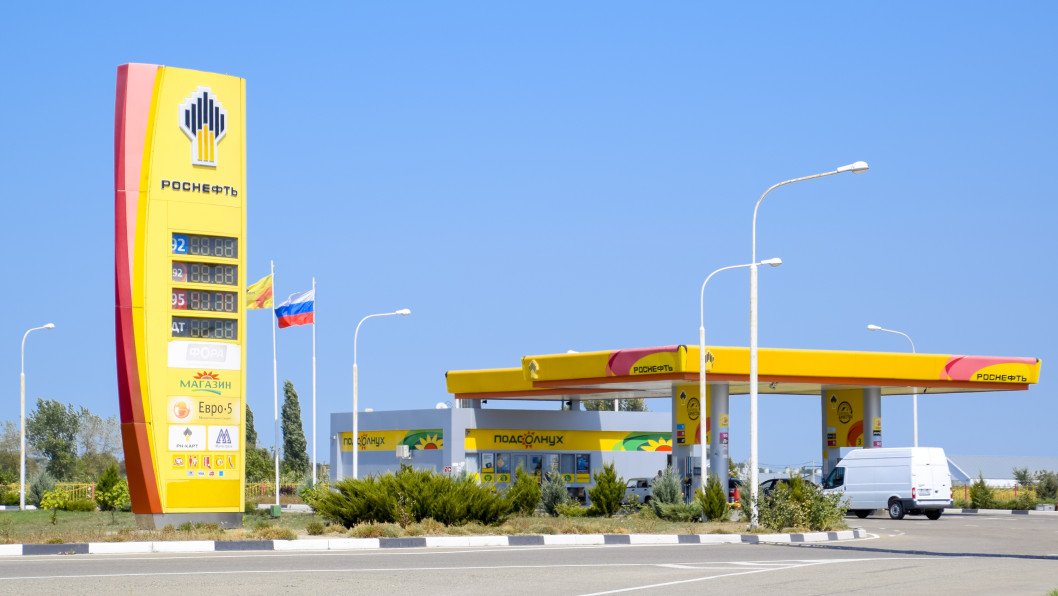
However, geopolitical factors have pushed fuel prices up, and the floating cap could rise to at least $64 per barrel after a July review, compared to a prior ceiling of $60 and a current limit of $44.10. Officials are now considering either freezing the cap at its current level or returning it to $60, though maritime nations have expressed reservations.
Another contested measure involves extending the sanctions regime currently applied to vessels illegally carrying Russian oil to those transporting liquefied natural gas. The goal is to prevent Moscow from establishing a shadow fleet for liquefied natural gas as it did with oil, but some EU nations are requesting a longer transition period.
The upcoming package also includes trade restrictions on certain critical minerals, metals, and ores, alongside export controls on roughly two dozen firms in China, India, Turkey, and Central Asia that allegedly supply restricted goods used in Russian weapons production.
The European Commission presented the 21st sanctions package against Russia on June 9, 2026, focusing heavily on limiting Moscow’s war economy through restrictions on energy, finance, cryptocurrencies, trade, and fisheries.
Commission President Ursula von der Leyen announced proposals to temporarily freeze the oil price cap mechanism to stabilize markets, add 30 more vessels to the shadow fleet sanctions list, and ban transactions with dozens of Russian and third-country financial institutions.
The sweeping package also introduced export controls on military-critical metals, drone support equipment, and certain fish imports, while aligning restrictions on Belarus to prevent trade evasion.
Discuss this article:
-4a56a6b482ec132402c16ef6fcabf9a2.png)