- Category
- War in Ukraine
Russia’s Fuel Crisis Hits the Runway as Airline Warns Flights May Not Take Off
 Prefer U24 Media on Google
- Authors


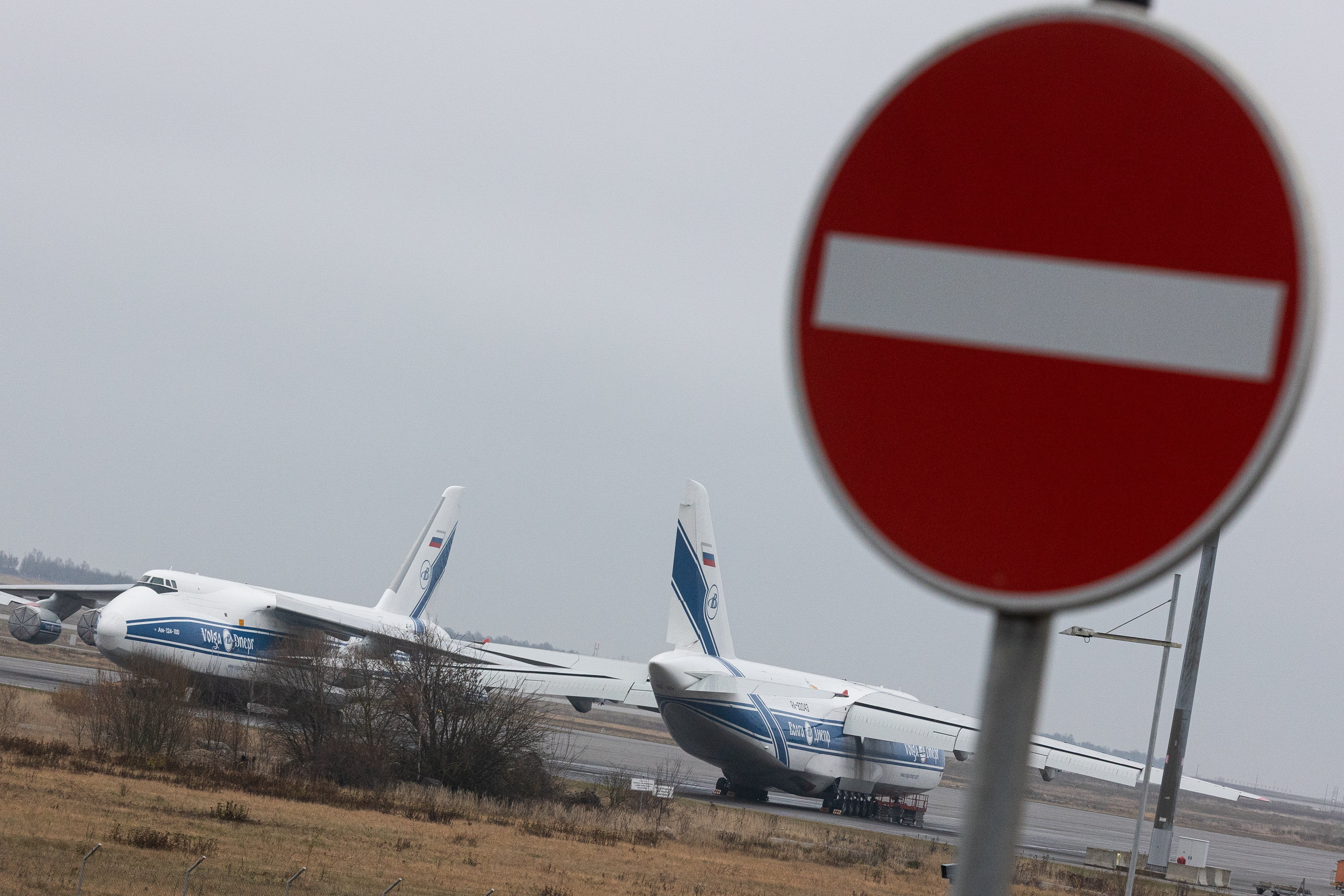
Russian airline Azimuth has warned of a critical shortage of aviation fuel, saying supply disruptions and a sharp rise in prices could lead to mass flight cancellations, Russian media outlet Kommersant reported on June 24.
Since the start of June, purchase prices for aviation kerosene in Russia have risen by an average of 17%, while actual fuel deliveries have fallen by roughly one-third compared with contracted volumes.
We bring you stories from the ground. Your support keeps our team in the field.
The sharpest increase was recorded at Makhachkala Uytash Airport, where fuel prices jumped by 64% to $2,100 per ton.
Azimuth, which specializes in interregional flights across Russia’s Southern Federal District and the North Caucasus, has asked the Association of Air Transport Operators to seek urgent intervention from Russia’s Energy Ministry.
According to Kommersant, the airline warned that the fuel deficit threatens flights on Caucasus routes, one of the most vulnerable parts of its network.
More scenes from Russia's worsening fuel crisis, with liquid gold now selling for $10/gallon in some places if available at all.
— Jay in Kyiv (@JayinKyiv) June 24, 2026
Up next, food logistics and grass growing in the streets.
A Russian woman stands on the road, pleading for help. Sign reads "Out of gas". pic.twitter.com/LnPAtixh8z
The supply problems began in the first half of June, when one of Azimuth’s key suppliers cut fuel shipments by about 30% compared with contracted volumes. The supplier cited “force majeure circumstances” at several oil refineries.
Azimuth links the current crisis to logistics problems, planned and unplanned refinery repairs, and the redistribution of raw material flows. Attempts to find alternative suppliers have reportedly failed: the company’s requests were either ignored or met with offers at prices several times higher than planned.
The airline called the situation paradoxical. While global aviation fuel prices have been falling for three consecutive months, prices inside Russia are climbing quickly, and access to fuel continues to worsen.
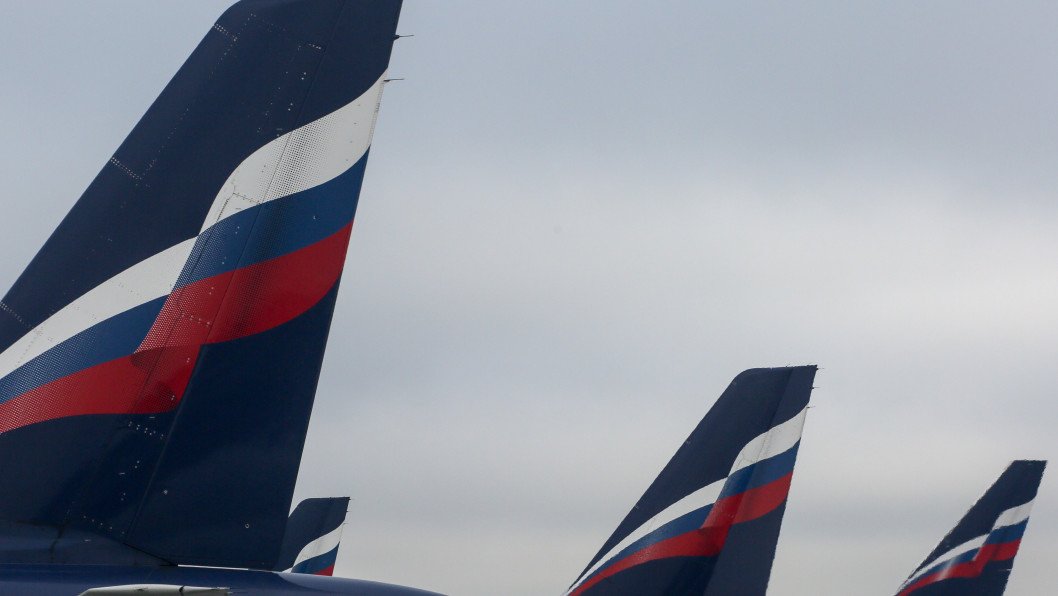
The situation is especially difficult at two key airports for Azimuth. In Makhachkala, the carrier operates regular flights to Moscow’s Vnukovo airport, Mineralnye Vody, Sochi, and several regional destinations that connect Dagestan with other parts of Russia. In Mineralnye Vody, the airline operates routes to Moscow, Sochi, Rostov-on-Don, and seasonal summer flights to Anapa and Krasnodar.
On some routes, Azimuth says fuel costs already exceed revenue from ticket sales.
The problem is not limited to regional airlines. Since early June, fuel suppliers in several Russian regions have reportedly stopped tankering aircraft, a move the industry sees as an early sign of efforts to manage a developing shortage.
Azimuth was founded in 2017 and operates a fleet made up entirely of Russian Sukhoi Superjet 100 short-haul aircraft. The airline flies more than 50 domestic routes, as well as destinations in neighboring countries, the Middle East, and Asia.
-5a748c89a3e69e619f7b7eac8ce541b6.webp)
Overall, Ukraine’s defense forces have successfully targeted more than 15 Russian oil refineries since the beginning of this year, significantly degrading the country’s fuel production capabilities.
According to Ukrainian President Volodymyr Zelenskyy, these long-range operations have effectively neutralized nearly 40% of Russia’s primary oil refining capacity as of May.
The Ukrainian campaign against the Russian oil industry forced jet fuel prices to record highs and forced airports across several Russian regions to ration aircraft refueling.
The national over-the-counter price index for jet fuel has surged 41% since the start of the year, with most of that gain—roughly 39%—concentrated in a single month from mid-May.
Earlier, reports emerged that Russia’s Moscow Oil Refinery is unlikely to resume operations before 2027 after sustaining significant damage in Ukrainian drone attacks earlier this month. It is one of Russia’s 10 largest refineries and supplies around 40% of the Moscow region’s demand for petroleum products, including the city of Moscow and the surrounding region.
Discuss this article:



-c439b7bd9030ecf9d5a4287dc361ba31.jpg "Photo of Katherina Popilnichenko")


-111f0e5095e02c02446ffed57bfb0ab1.jpeg "Photo of Roman Kohanets")