- Category
- World
Italy and Bulgaria Push Back Against EU Plan to Sanction Patriarch Kirill
 Prefer U24 Media on Google
- Authors

-c439b7bd9030ecf9d5a4287dc361ba31.jpg "Photo of Katherina Popilnichenko")
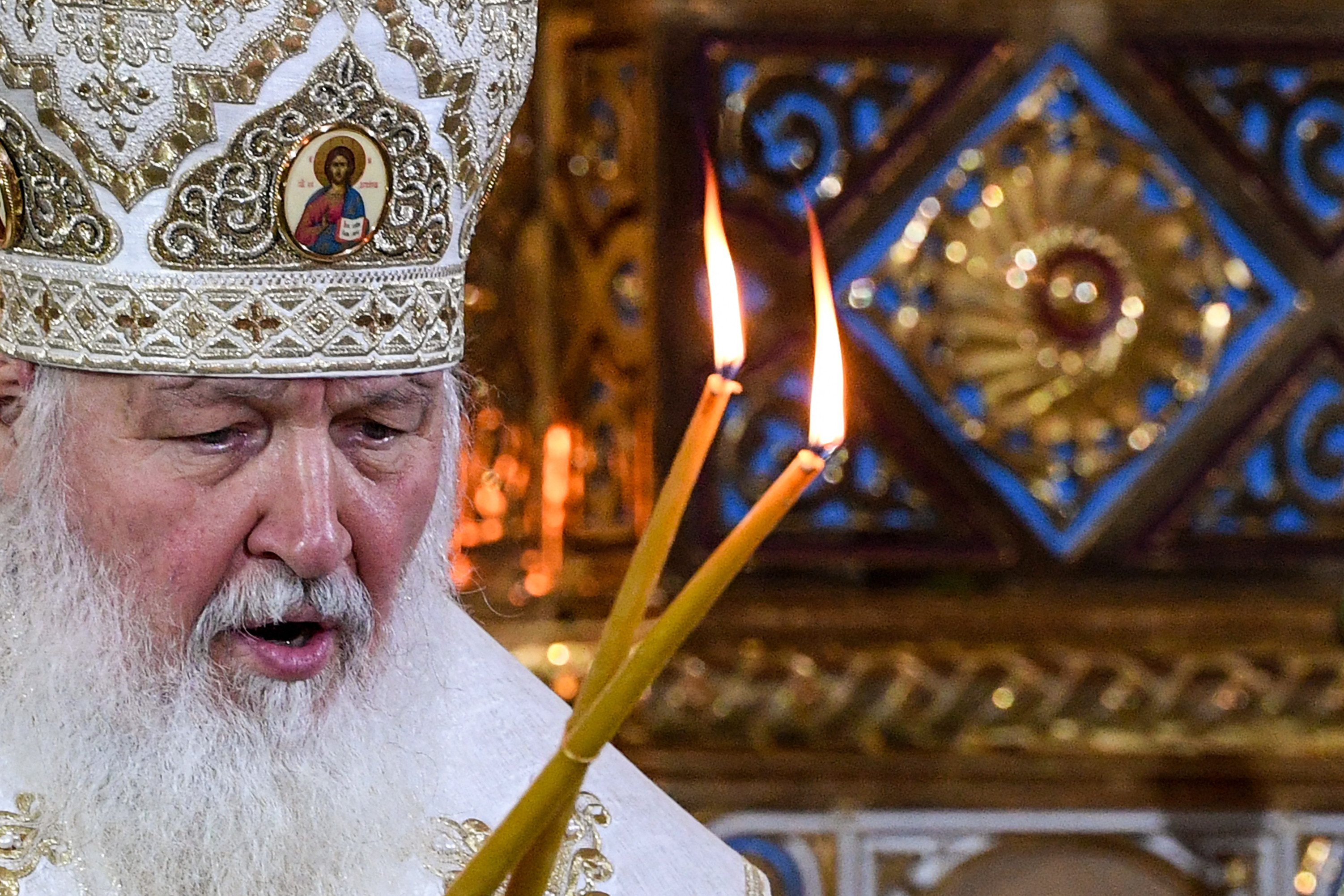
Italy has joined Bulgaria in raising concerns over European Union proposals to blacklist Russian Orthodox Patriarch Kirill as part of the upcoming 21st sanctions package.
The new restrictions, introduced by EU top diplomat Kaja Kallas on June 9, aim to target Russia’s military-industrial and financial structures following Russia’s full-scale invasion of Ukraine, according to Politico on July 3.
We bring you stories from the ground. Your support keeps our team in the field.
However, internal disagreements among member states are creating diplomatic hurdles for several core measures within the draft.
The proposal to enforce an EU travel ban on Patriarch Kirill has met direct resistance. Bulgaria, a nation with a significant Orthodox Christian population, opposed the blacklisting, while Italy submitted a diplomatic reservation for issues requiring resolution prior to any final vote.
Diplomatic sources indicate that Rome's position is influenced by concerns from the Vatican regarding the imposition of international trade and travel restrictions against the head of a major Christian denomination.
Additional friction points have emerged over economic regulations, specifically a proposal to freeze the current cap on Russian oil sales at $44 per barrel. The measure aims to delay an automatic upward adjustment of the price limit scheduled for mid-July.
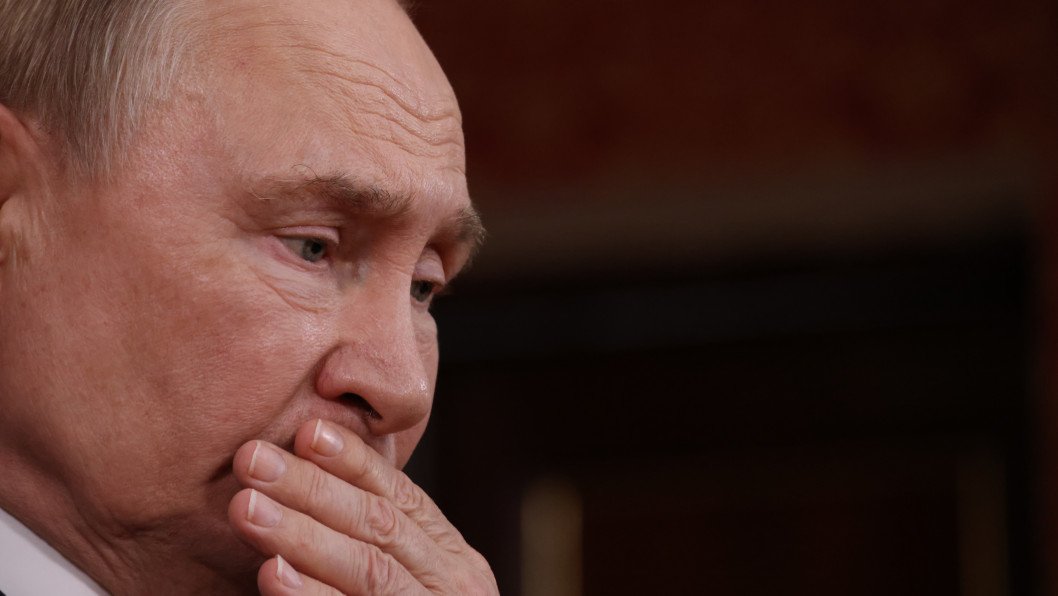
Greece, Malta, and Cyprus, which maintain large commercial maritime sectors that service transport vessels, have voiced opposition to delaying this revision. These nations previously blocked separate measures that intended to restrict maritime services for ships originating from Russia.
Diplomats also noted disagreements regarding a proposed ban on former Russian combatants entering the European Union, with France and Italy expressing formal reservations.
The European Commission’s presented 21st sanctions package aimed to target several unexplored economic sectors to cripple Russia’s war economy.
Under the proposal introduced by European Commission President Ursula von der Leyen, the EU sought to expand its blacklist by adding 30 new vessels to the 632 ships already sanctioned, while simultaneously penalizing third-party services providing towing to the shadow fleet and blocking access to critical ports, airports, and refineries.
Furthermore, the draft measures included transaction bans on 31 additional Russian banks alongside 20 external financial firms, cryptocurrency platforms, and oil traders accused of facilitating evasion.
Discuss this article:
-4a56a6b482ec132402c16ef6fcabf9a2.png)