- Category
- World
Gasoline Disappears From All Filling Stations in Russia's Novorossiysk Amid Fuel Shortages
 Prefer U24 Media on Google
- Authors


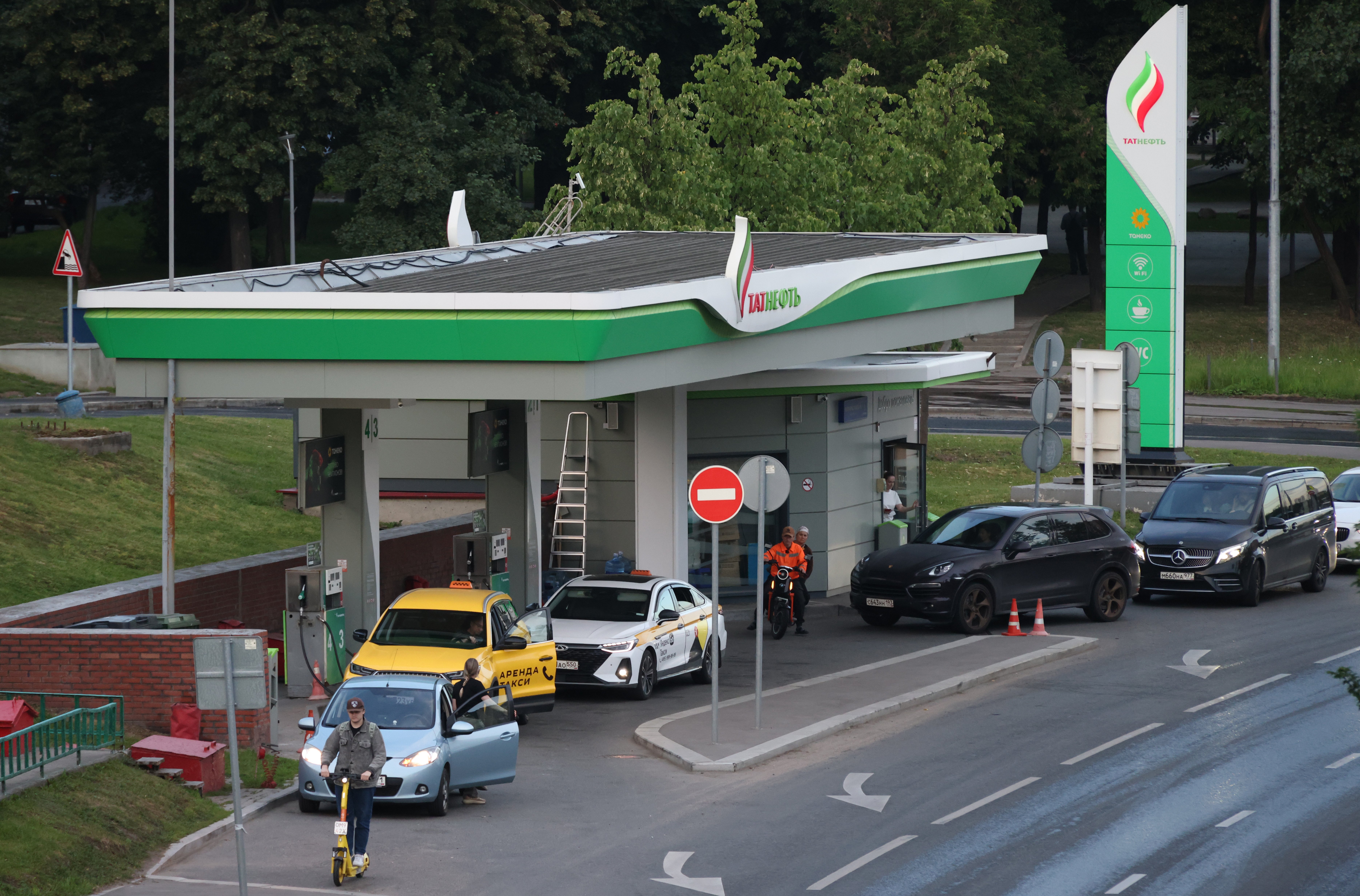
Gasoline has disappeared from all filling stations in the Russian port city of Novorossiysk, leaving only diesel fuel available as the country's fuel shortages continue to deepen, Russian outlet Meduza reported on July 3.
According to Novorossiysk's Municipal Management Centre, the city is currently experiencing a complete absence of gasoline at public filling stations.
We bring you stories from the ground. Your support keeps our team in the field.
“At the moment, gasoline is unavailable at filling stations,” the MCU said in an official statement.
In response to the crisis, the city administration launched an online map allowing residents to monitor fuel availability at local filling stations in real time. As of July 3, every station listed on the map had run out of gasoline, with only diesel fuel remaining in stock.
Despite the shortages for the general public, motorists with corporate fuel cards issued by employers are still able to refuel.
According to local media outlet 93.ru, citing Novorossiysk resident Natalia, reported that the fuel shortages are already affecting daily life in the city. According to her, air conditioning systems on public transport have been switched off to conserve fuel, taxi fares have increased, and noticeably fewer vehicles are circulating on city streets.
The shortages are no longer confined to Novorossiysk. According to Russian outlet 7×7, filling stations in several regions have begun giving priority access to fuel for government officials and state employees.
In Saratov, a Rosneft filling station is restricting gasoline sales to emergency services and government vehicles, including those operated by the Emergency Situations Ministry , ambulance services, police, and public officials.
Local outlet TVSAR reported seeing vehicles belonging to a district administration, Russia's state-run multifunctional public service centres, and Russian Post refuelling at the station. One customer was reportedly allowed to purchase gasoline after using the password “Government.”
Similar restrictions have been reported elsewhere. In Volgograd, a Gazprom-operated filling station is selling fuel only to holders of special fuel cards. An employee told 7×7 that the cards are issued to organisations funded by regional authorities, including government agencies, hospitals, and law enforcement bodies.
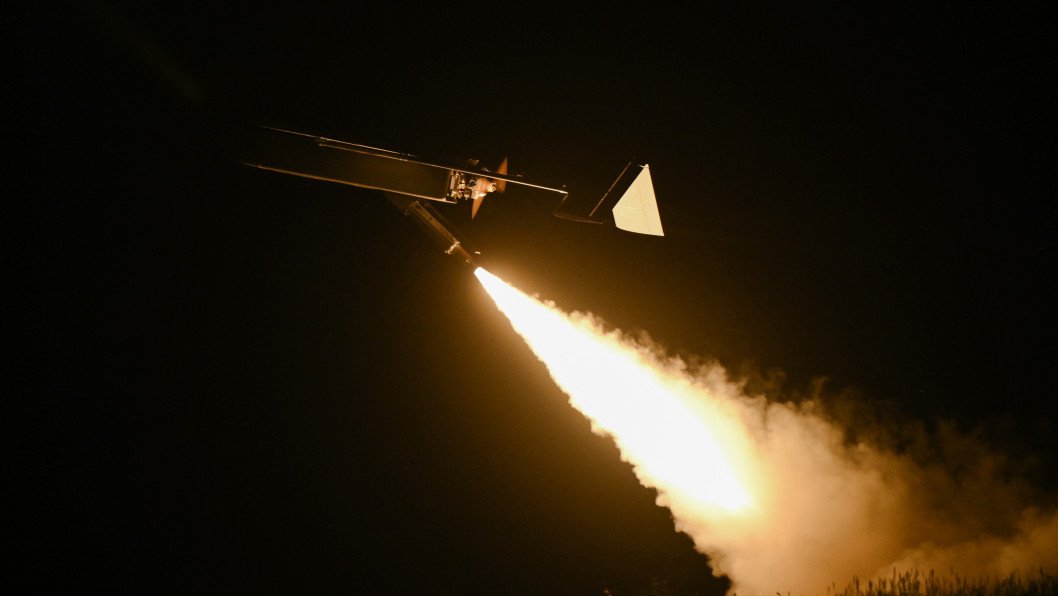
The growing shortages coincide with Ukraine's broader campaign to undermine Russia's military logistics by targeting supply networks, command-and-control infrastructure, drone coordination facilities, and key transport routes in both occupied Ukrainian territories and inside Russia. According to official statements, President Volodymyr Zelenskyy approved a 40-day strategic influence operation led by the Security Service of Ukraine, aimed at increasing pressure on Moscow and forcing an end to the war.
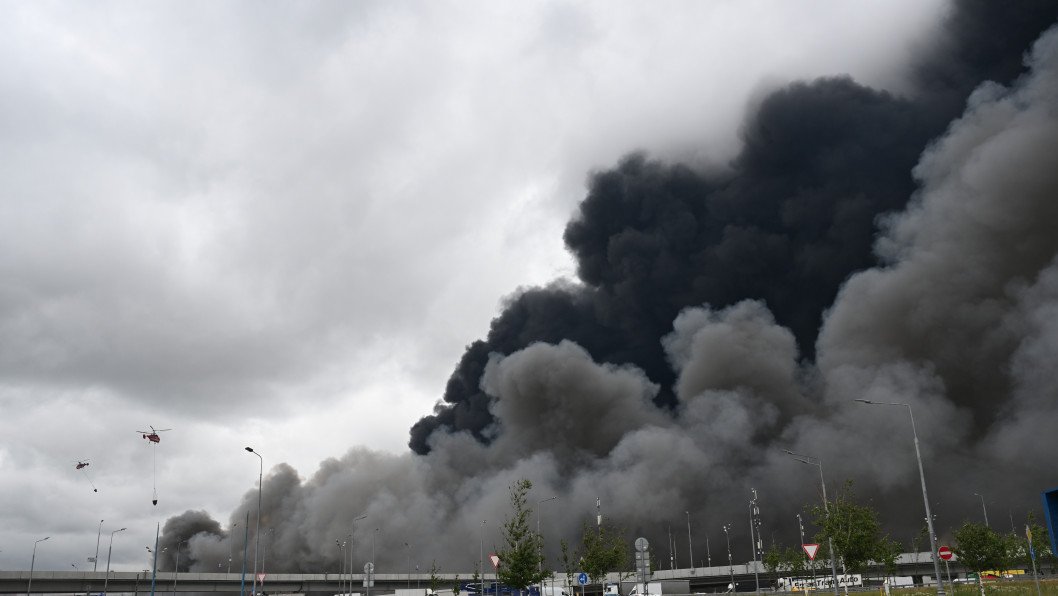
The effects of those strikes are becoming increasingly evident in Russia's refining sector. According to The Moscow Times, crude oil processing fell by 25% year-on-year in June to 3.91 million barrels per day—the lowest level recorded in more than two decades.
Gasoline production also declined by 17% compared with the same period last year, dropping to 850,000 barrels per day, well below domestic demand. The publication reported that approximately one-third of Russia's refining capacity is currently offline following at least 50 Ukrainian drone strikes on Russian oil and energy infrastructure since March.
Discuss this article:



-c439b7bd9030ecf9d5a4287dc361ba31.jpg "Photo of Katherina Popilnichenko")