- Category
- World
EU Gives Georgia’s Sole Refinery Six Months to Drop Russian Oil
 Prefer U24 Media on Google
- Authors

-72b63a4e0c8c475ad81fe3eed3f63729.jpeg "Photo of Cyril Barabaltchouk")
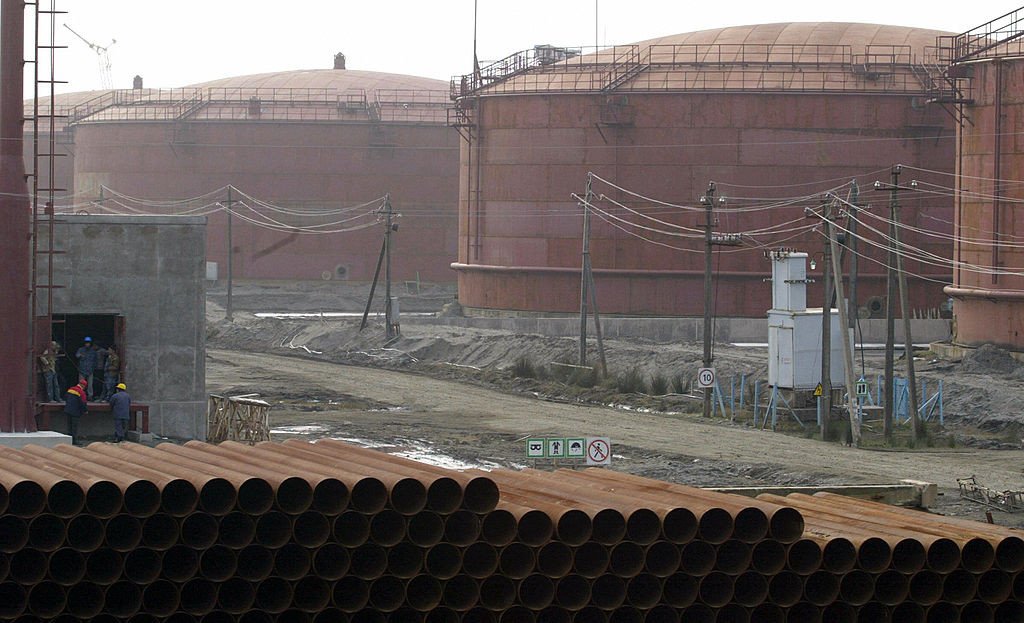
The European Union has placed Georgia’s only oil refinery, the Kulevi plant, under its 21st package of sanctions against Russia due to its processing of Russian crude oil, The Moscow Times reported on July 24.
The restrictions impose a total ban on transactions with the facility, which processed more than 650,000 metric tons of raw materials during the first six months of 2026. However, European authorities granted a six-month delay before the measures take full effect, giving the refinery time to terminate all commercial operations involving Russian crude.
We bring you stories from the ground. Your support keeps our team in the field.
The designation forms part of a wider expansion of European Union trade curbs targeting Moscow’s energy network, which added 18 entities and one individual from the petroleum sector to the bloc’s sanctions list. Alongside three domestic Russian refineries, the package hit Belarus’s Mozyr oil refinery and the European Trading Company, an entity identified by European regulators as a primary mechanism used by Belarusian facilities to market gasoline inside Russia.
The Kulevi port refinery, which possesses an initial production capacity of 1.2 million metric tons annually, first took deliveries of raw crude from Russia’s RussNeft in October 2025.
European officials began evaluating sanctions against the plant in February 2026 over suspicions that it facilitated the re-export of Russian oil in violation of international trade limits, prompting EU Sanctions Envoy David O’Sullivan to emphasize Tbilisi’s obligation to enforce maritime restrictions on Russian tankers, according to The Moscow Times.

Following diplomatic pressure, Georgian authorities committed to barring sanctioned Russian vessels from entering Kulevi harbor and shutting down illegal re-export schemes. To ensure compliance and maintain operations, Black Sea Petroleum—the firm managing the Kulevi plant—announced it would end all purchases of Russian crude by August or September 2026. Black Sea Petroleum Chief Executive Officer David Potskhveria stated that the company will transition to importing Turkmen, Kazakh, and other alternative crude streams to “completely replace existing Russian crude.”
The European Union’s crackdown on third-country processing hubs comes as Russian oil and gas earnings are projected to surge 60% year-on-year in July, driven by higher global crude prices that continue to supply the primary financial pillar for Moscow’s military operations.
Discuss this article:
-9a7b3a98ed5c506e0b77a6663f5727c5.png)


-c439b7bd9030ecf9d5a4287dc361ba31.jpg "Photo of Katherina Popilnichenko")