- Category
- World
Russia’s Oil and Gas Revenue Set to Jump 60% in July, Boosting War Funding
 Prefer U24 Media on Google
- Authors

-c439b7bd9030ecf9d5a4287dc361ba31.jpg "Photo of Katherina Popilnichenko")
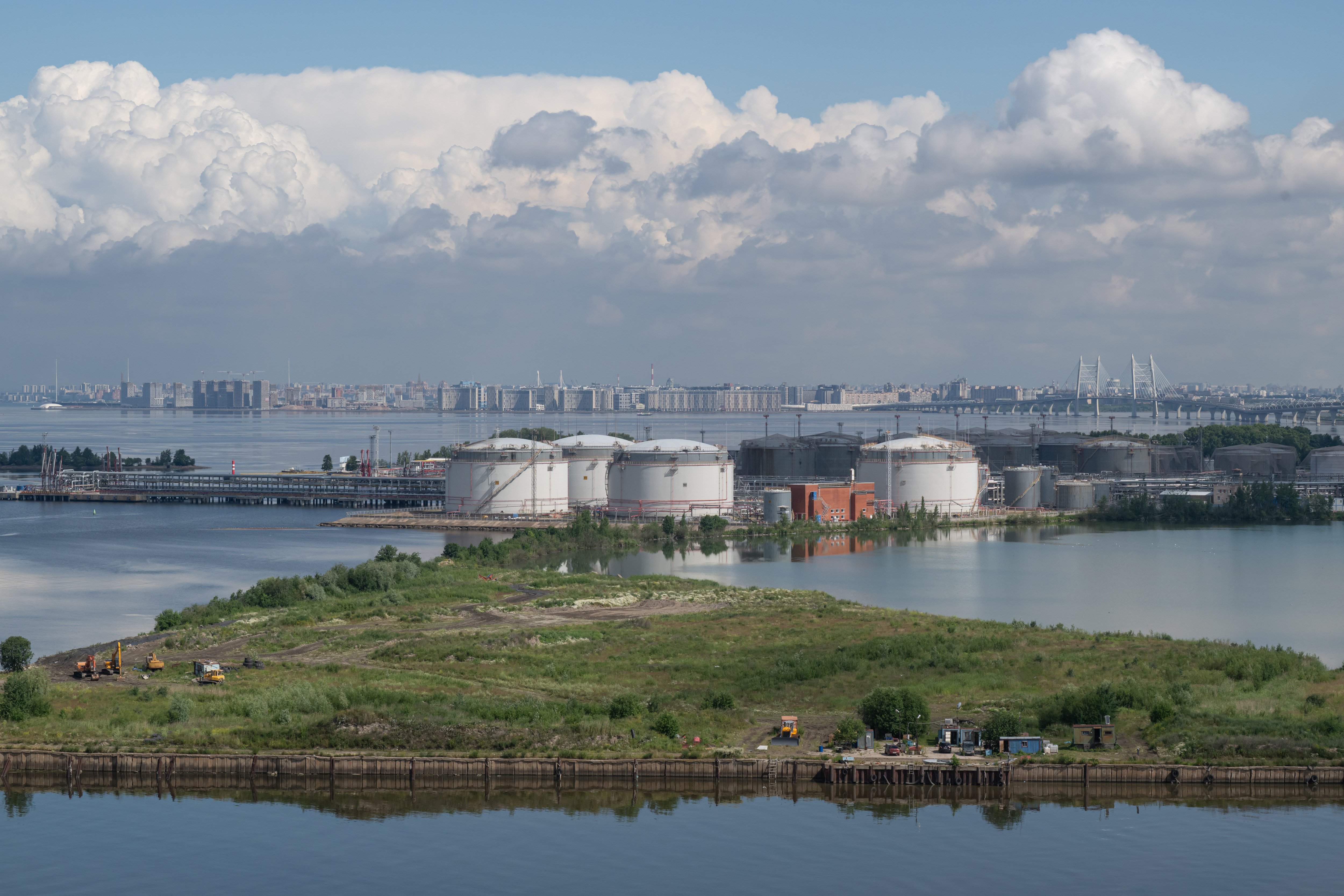
Russian oil and gas earnings, which account for about one-fifth of the total budget, are expected to surge by 60% in July compared to the same month last year.
Despite this single-month increase, overall Russian oil and gas revenues for the January to July period are projected to fall 11% year-on-year to roughly 4.9 trillion rubles ($62.5 billion), Reuters reports on July 23.
We bring you stories from the ground. Your support keeps our team in the field.
Higher global crude prices alongside increased payments from the extraction profit tax serve as the main factors behind the July revenue spike.
The budget for 2026 projects annual Russian oil and gas revenues of 8.92 trillion rubles ($113.7 billion) out of total projected revenues of 40.28 trillion rubles ($513.5 billion).
Official figures confirming the July Russian oil and gas sector performance will be published by the Finance Ministry on August 5.

Last year, federal Russian oil and gas revenues experienced a steep 24% decline, falling to 8.48 trillion rubles ($108.1 billion), which marked the lowest level recorded since 2020.
For the Russian military machine, energy profits directly finance the ongoing full-scale invasion of Ukraine, making oil tax revenue the Kremlin’s primary financial pillar.
To cut off this funding source, Ukrainian forces have systematically targeted Russian oil refineries, storage depots, and pumping stations with long-range drone strikes. By disrupting processing capacity and export logistics, these deep strikes aim to drain the revenue streams used to fund weapon manufacturing and military operations.
In April 2026, Russia’s oil and gas revenues reached 855.6 billion rubles ($11.3 billion), barely exceeding baseline targets despite high global crude prices.
Massive state subsidy payments to domestic oil companies under the "damper mechanism"—which surged to 207.5 billion rubles ($2.75 billion) that month—effectively erased excess energy profits and left four-month revenues down 38.3% compared to the previous year.
Consequently, lower-than-expected surplus income constrained the Finance Ministry's ability to replenish the National Wealth Fund, while a ballooning first-quarter budget deficit surpassed the government's full-year target.
Discuss this article: