- Category
- World
EU Prepares for Landmark Talks With Taliban on Migrant Deportations
 Prefer U24 Media on Google
- Authors

-72b63a4e0c8c475ad81fe3eed3f63729.jpeg "Photo of Cyril Barabaltchouk")
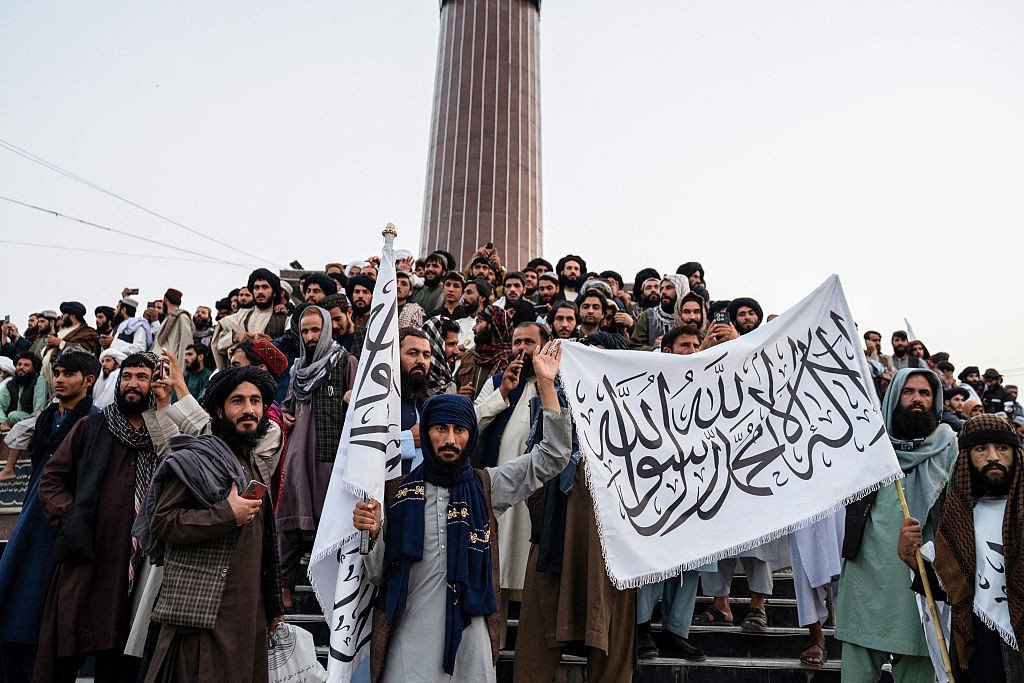
The European Commission is planning an unprecedented first meeting with Taliban officials in Brussels to discuss deporting Afghan migrants back to the Taliban-controlled country, Reuters reported on May 12.
Commission spokesman Markus Lammert confirmed that the EU executive and the Swedish Justice Ministry have sent a letter to the de facto authorities in Afghanistan to inquire about their availability. The planned technical-level talks, requested by several member states, will focus specifically on the return of individuals “who pose a security threat,” according to Reuters.
We bring you stories from the ground. Your support keeps our team in the field.
Lammert stressed that the meeting does not imply formal EU recognition of the Taliban government. Western nations have refused to officially recognize the hardline Islamist group since it overthrew the US- and NATO-backed Afghan government in 2021. However, EU officials previously engaged in lower-level talks with the Taliban in Kabul earlier this January, Reuters noted.
The potential meeting has sparked fierce backlash from human rights organizations. Advocates warn that engaging the Taliban undermines core European principles and violates the principle of non-refoulement by returning vulnerable people to a regime known for severe abuses.
“It is deeply alarming that discussions are taking place about deporting Afghans back to Taliban-controlled Afghanistan,” Reshad Jalali, Senior Policy Officer at the European Council on Refugees and Exiles, told Reuters. “Deporting people to such conditions risks making the EU complicit in exposing them to danger and abuse.”
Since seizing power in 2021, the Taliban has systematically rolled back civil liberties, heavily restricting women’s movement, banning girls from secondary education, and enforcing strict morality laws. Compounding the human rights crisis, Afghanistan is currently mired in a severe humanitarian disaster, with the UN World Food Programme estimating that more than 17 million people are food insecure.
Hundreds of thousands of Afghans have sought asylum in Europe since the 2021 takeover. While EU law permits the deportation of individuals convicted of serious crimes or deemed severe security risks, forced returns to Afghanistan have remained largely halted due to the lack of formal diplomatic relations with Kabul, Reuters reported.
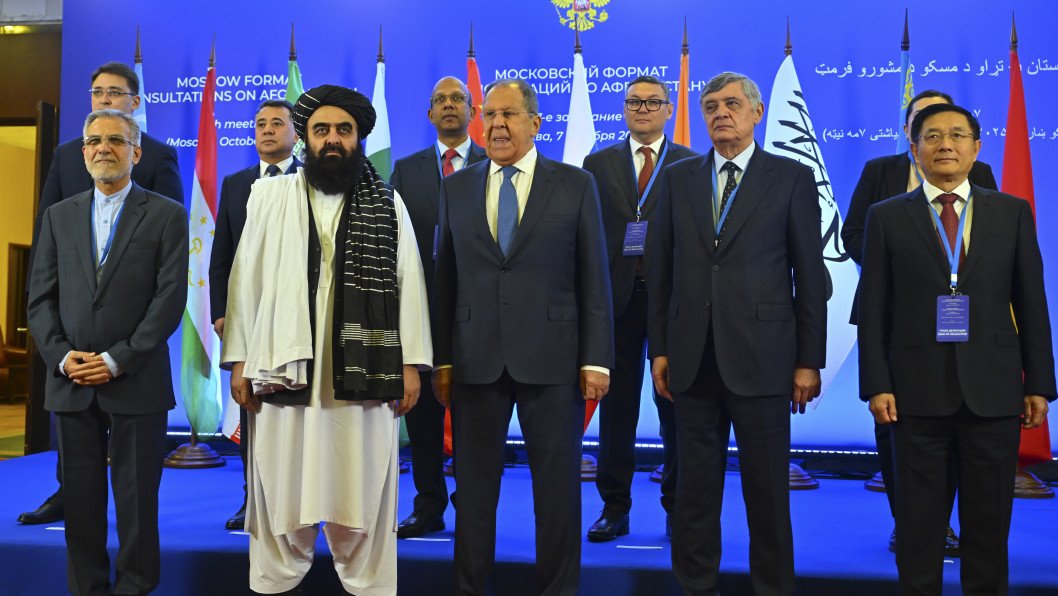
The European Union’s cautious, unofficial engagement contrasts with Moscow’s full diplomatic embrace of the hardline group. Russia had previously become the first country to formally recognize the Taliban government after accepting the credentials of its new ambassador in Moscow.
While Washington and Brussels maintain strict sanctions and freeze Afghan assets over severe human rights violations, the Kremlin has actively moved to end Kabul’s isolation. Russian leader Vladimir Putin has openly described the Taliban as an ally in regional security, supplying the sanctioned nation with vital gas, oil, and wheat shipments after formally lifting Moscow’s two-decade terrorist ban on the group last year.
Discuss this article:



-c439b7bd9030ecf9d5a4287dc361ba31.jpg "Photo of Katherina Popilnichenko")