- Category
- World
European Gas Storage Levels Projected to Hit 15 Year Low Ahead of Winter
 Prefer U24 Media on Google
- Authors

-72b63a4e0c8c475ad81fe3eed3f63729.jpeg "Photo of Cyril Barabaltchouk")
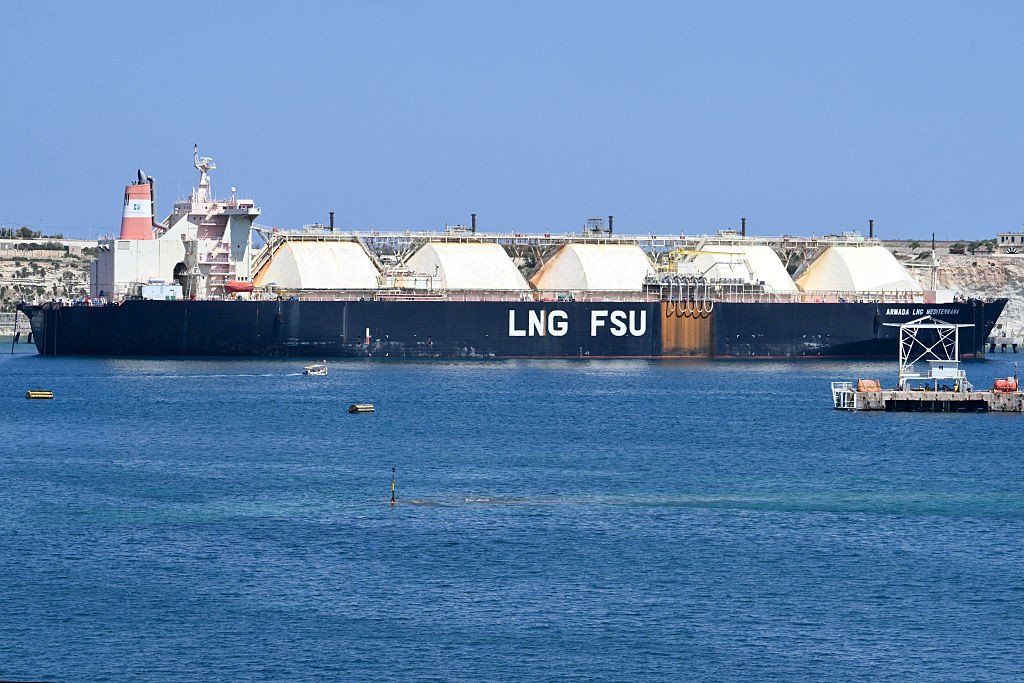
Europe is set to enter the winter heating season with its lowest gas storage levels in at least 15 years, Financial Times reported on June 29.
Storage facilities in the EU are forecast to end the critical gas restocking season in October only 76 percent full. This would mark the lowest peak for stored gas since at least 2011. The low inventory levels follow the recent war between the US, Israel, and Iran, which temporarily cut off liquefied natural gas (LNG) shipments through the Strait of Hormuz, which had previously accounted for 20% of global LNG supply, and reduced production output from Qatar and the United Arab Emirates.
We bring you stories from the ground. Your support keeps our team in the field.
EU facilities started the refilling period only 28 percent full after a particularly cold winter, and currently averaging around 48 percent capacity, the Financial Times wrote.
While European benchmark gas prices surged following joint US-Israel attacks on Iran in late February, they have stabilized at around €40 ($45) per megawatt hour after Washington and Tehran struck an interim peace deal this month. This stabilization has created a secondary issue, as lower European hub prices are failing to lure standard LNG cargoes from the United States, according to the Financial Times.
“While the announced US-Iran deal has pushed down gas prices and raised hopes for a flood of Mideast Gulf supply returning to the market, the longer we see constrained LNG supply, the lower start-of-winter European gas stocks will be and the bigger the chance of winter price spikes,” said Natasha Fielding, an analyst at Argus Media.
The European Commission stated that current inventory levels do not raise immediate concerns for energy security, noting that gas demand across the bloc has dropped by 17 percent. The Financial Times wrote that, to prevent short-term price spikes, the Commission advised member states to fill facilities to a lowered target of 75 to 80 percent, down from the non-binding 90 percent target enforced in recent years.
“We need a high level to make sure that we are ready for next winter [but] we want to do it in a way that it doesn’t lead to increases in prices in the short term,” EU energy commissioner Dan Jørgensen stated.
The final volume of European reserves depends heavily on the recovery speed of Qatari facilities. Empty Qatari LNG carriers have begun heading back to the Gulf, and officials claim production will return to normal within weeks, excluding two units damaged during the war. Goldman Sachs analyst Samantha Dart estimated that if the undamaged units at Qatar’s Ras Laffan facility hit full capacity by the end of July, European storage will likely reach 74 percent by winter.
If that recovery takes a month longer, storage could drop to 70 percent, according to the Financial Times. Tom Marzec-Manser, director for European gas and LNG at Wood Mackenzie, warned that prices will likely climb as winter approaches, creating structural risks if Europe faces a severe cold weather scenario in early 2027.
These storage deficits are further pressured by an upcoming EU ban on Russian LNG, which makes up 14 percent of Europe’s imports, scheduled to take effect on January 1, Financial Times reported.
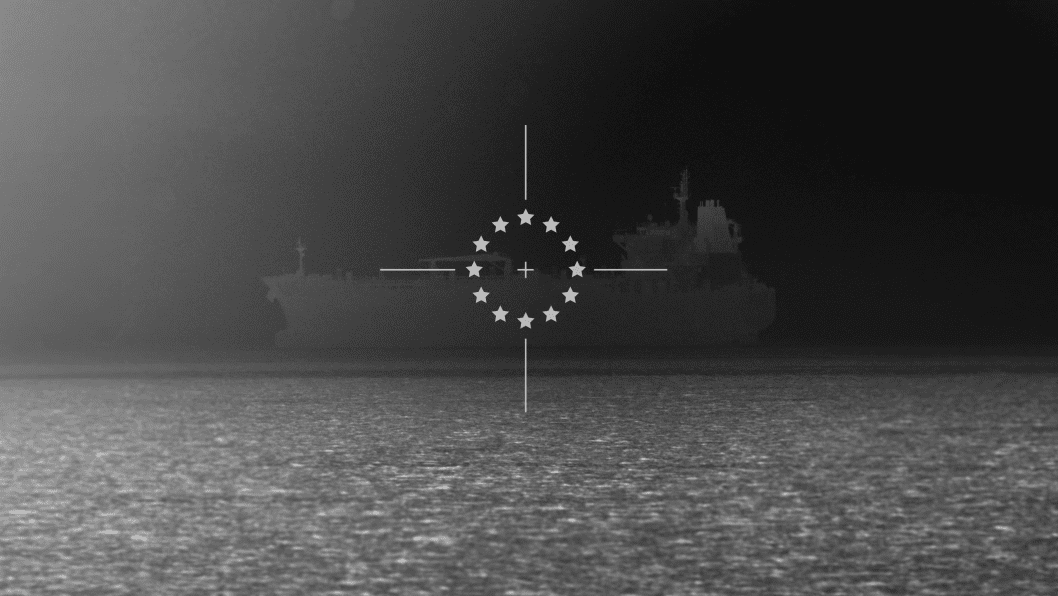
As Europe moves to enforce these restrictions, the security risks surrounding remaining Russian maritime transit have already visibly escalated in European waters. This friction became clear when Estonian border guards recorded an armed Russian civilian LNG tanker carrying a heavy machine gun through the Gulf of Finland.
The Gazprom-operated vessel, Marshal Vasilevsky, transports liquefied gas to the heavily militarized Kaliningrad exclave, demonstrating how Moscow has resorted to arming its commercial fleet to secure its remaining regional energy supply lines against potential drone threats.
Discuss this article:


-c439b7bd9030ecf9d5a4287dc361ba31.jpg "Photo of Katherina Popilnichenko")