- Category
- World
Former Western Special Forces Allegedly Trained Russians in Europe After Full-Scale Invasion
 Prefer U24 Media on Google
- Authors


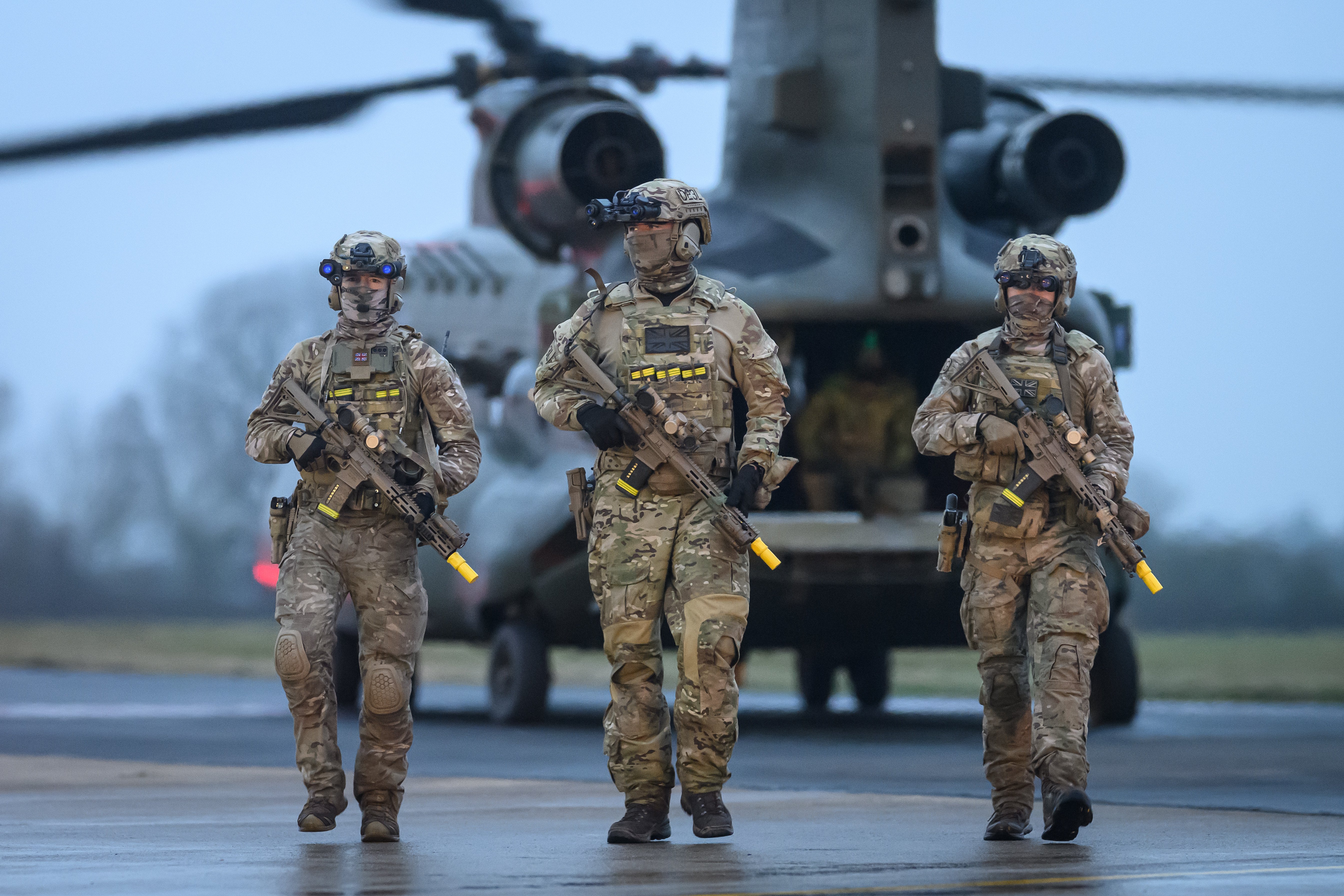
Former members of Western special forces, including personnel reportedly linked to Britain’s elite Special Air Service, may have trained Russian citizens and even active-duty military personnel at private combat centers in Europe after Russia launched its full-scale invasion of Ukraine, according to an intelligence assessment obtained by The Telegraph on September 9.
The assessment reportedly reaches that conclusion with a “high degree of confidence” and is now being examined by Australia’s intelligence service.
We bring you stories from the ground. Your support keeps our team in the field.
The memo was prepared for the Australian Secret Intelligence Service based on interviews with two former Australian special forces members and a serving reservist.
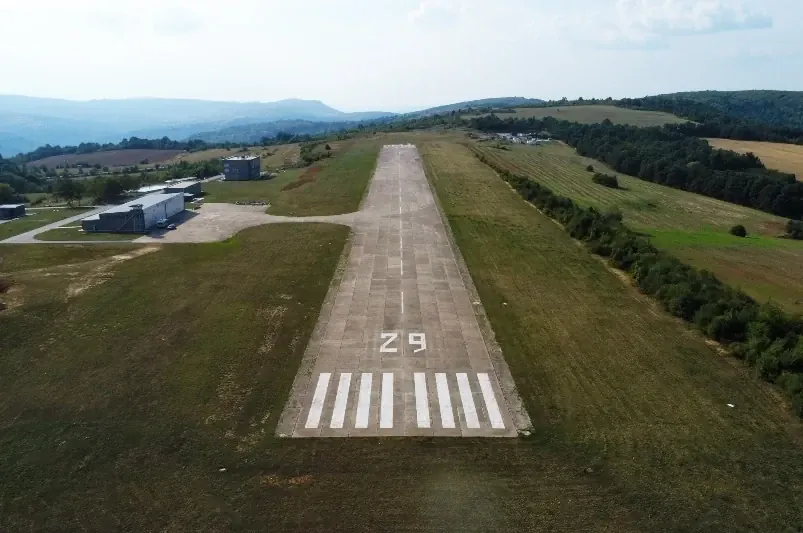
Those interviewed said they had been approached about instructor positions at private training facilities in Bulgaria and Serbia where Russian clients were allegedly receiving military instruction.
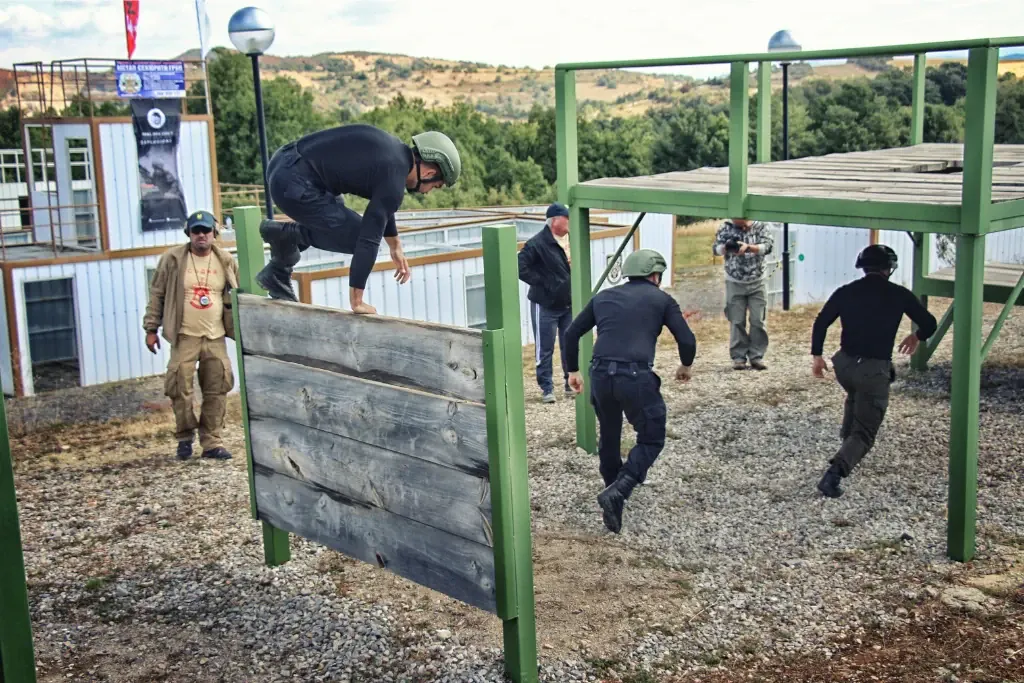
One of the facilities named in the assessment is Alfa-Metal, a private training center in Bulgaria offering special forces-style courses and advanced sniper instruction.
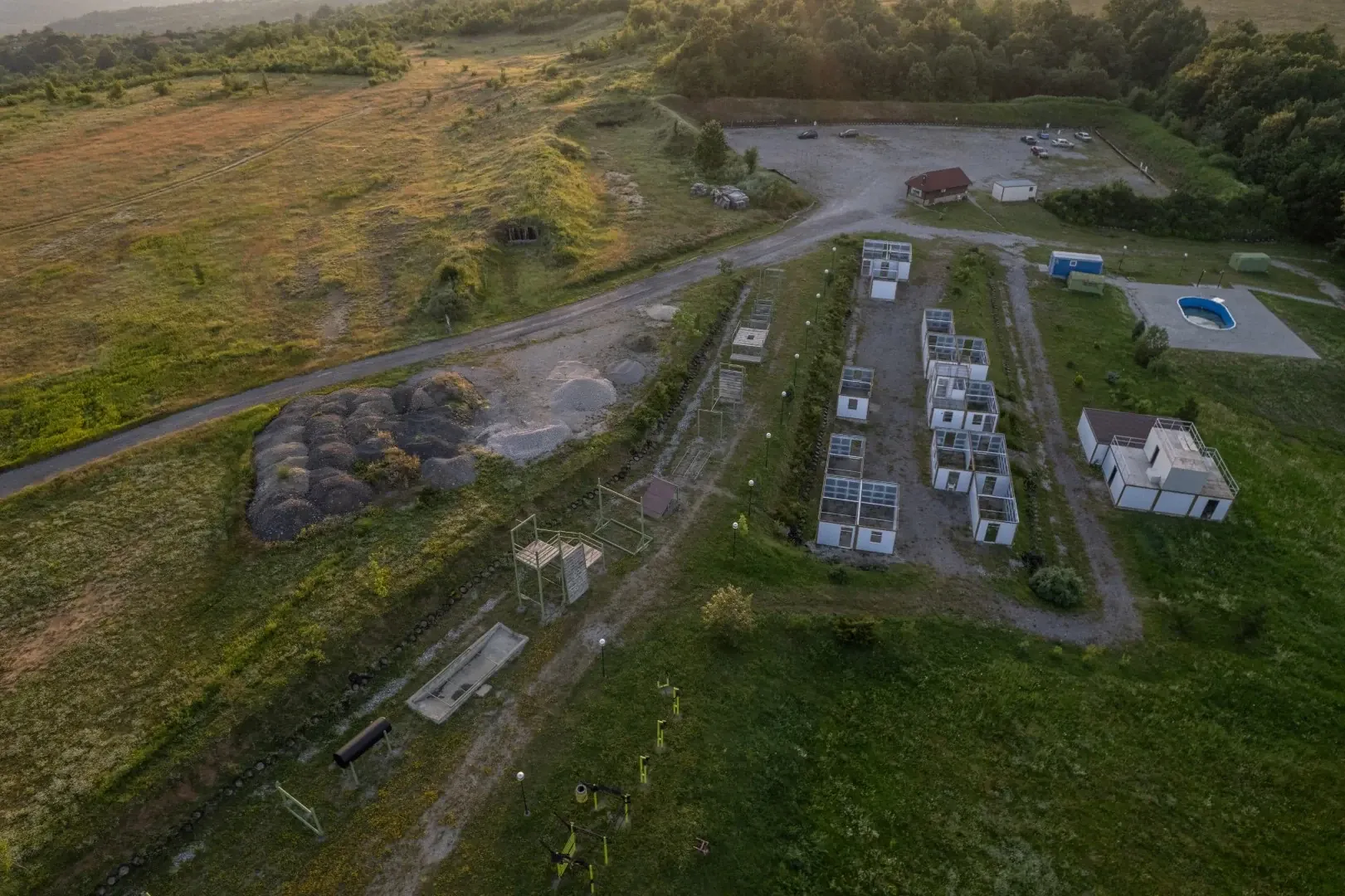
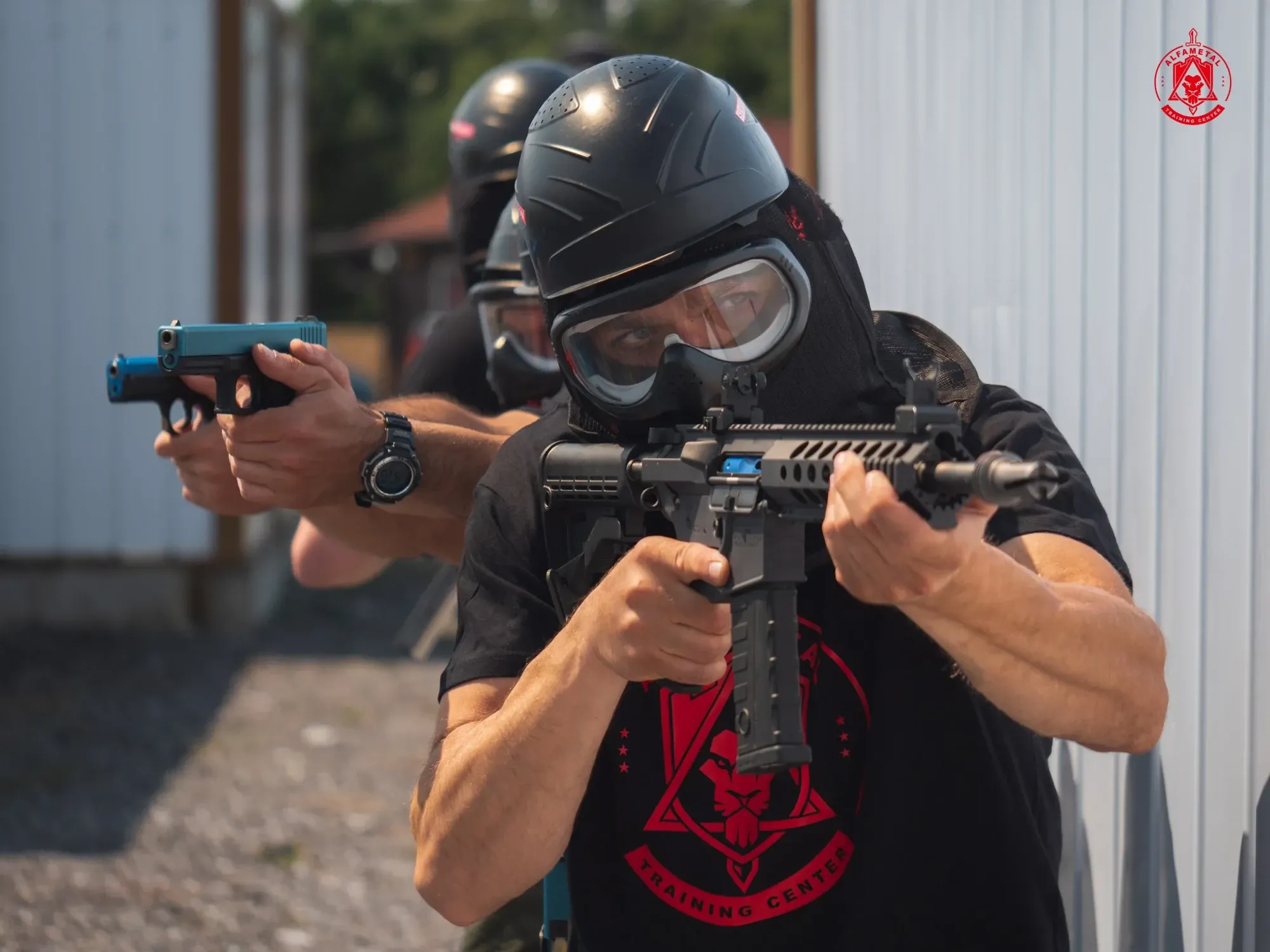
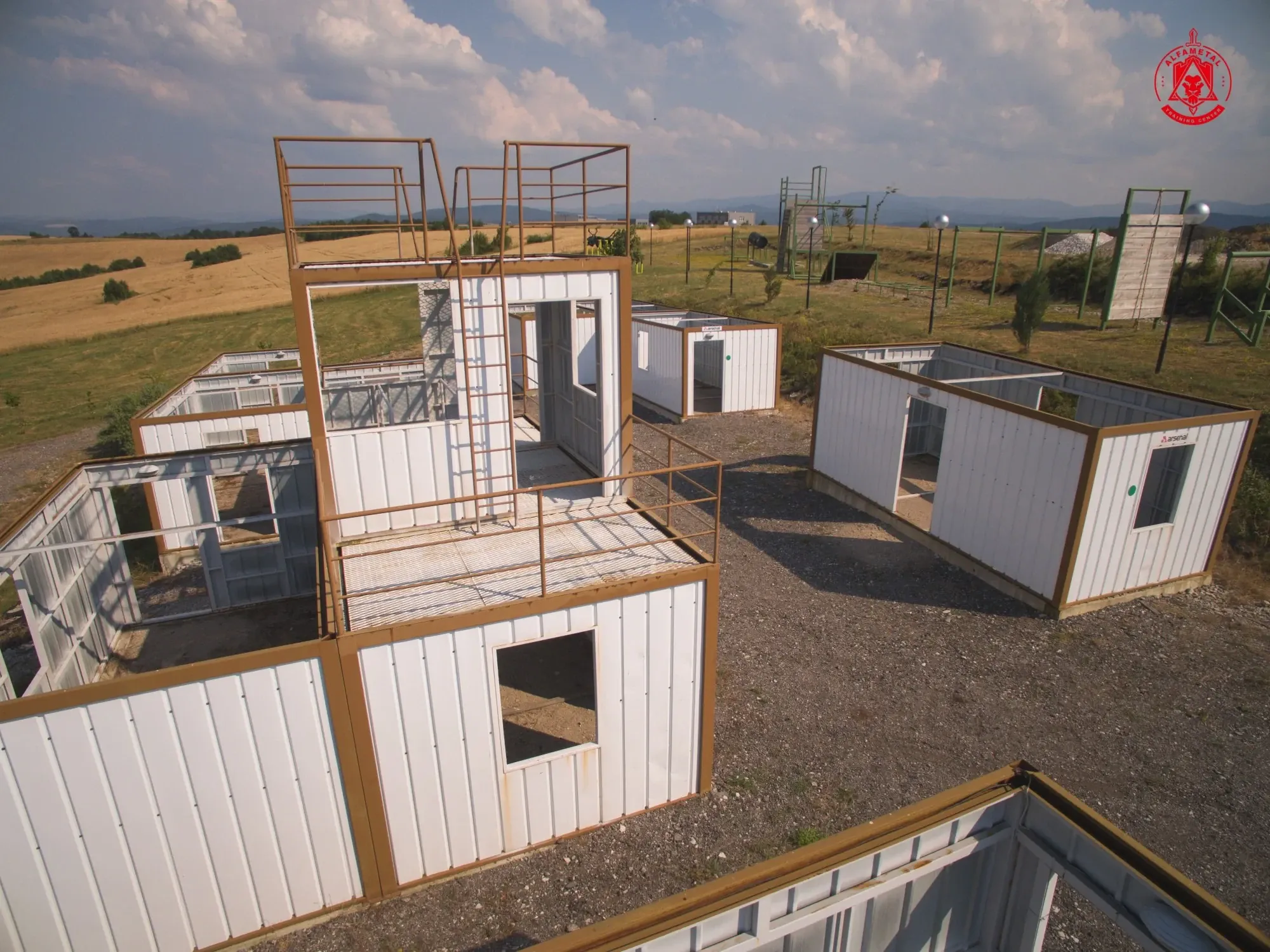
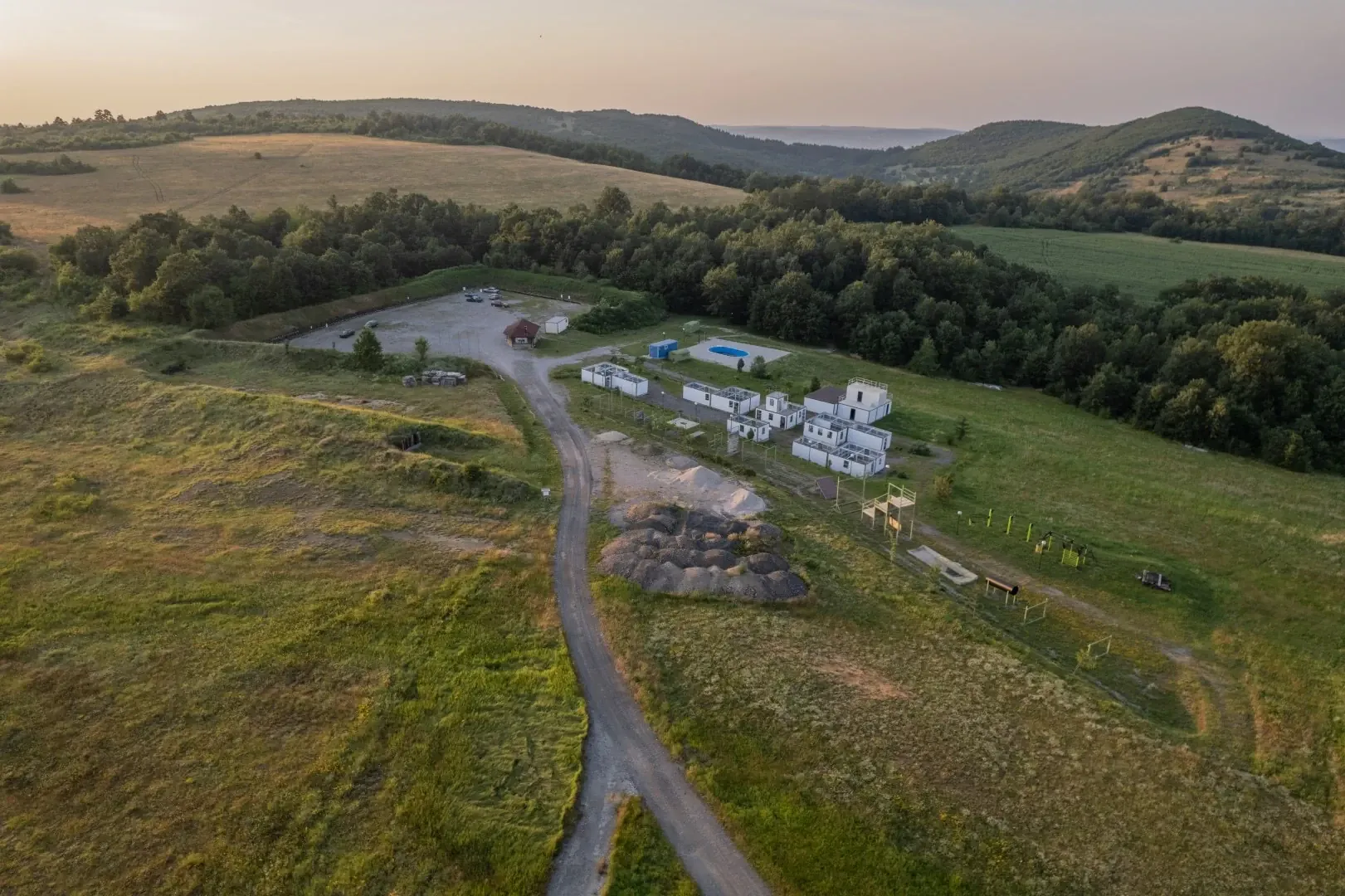
Courses cost roughly €4,000 per participant and are marketed toward clients including private military contractors, bodyguards, and corporate security personnel.
According to the intelligence memo, European private training centers continued accepting Russian citizens even after the February 2022 invasion of Ukraine, including for advanced close-quarters combat courses.
The people interviewed for the assessment said employees at the center indicated Russian nationals were still receiving training there as recently as 2025.
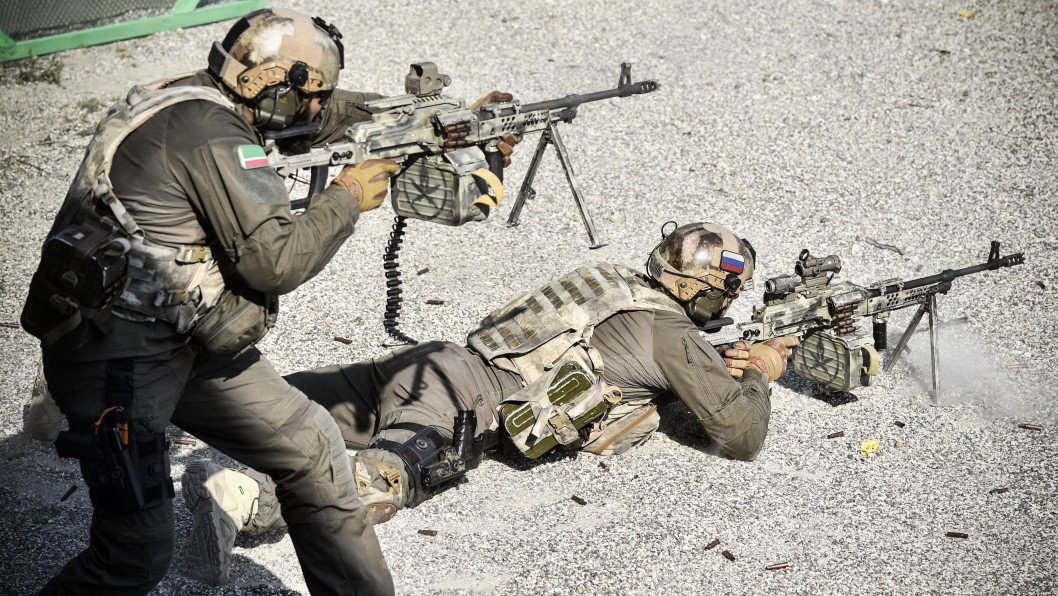
The allegations raise particularly serious questions because Alfa-Metal publicly presented itself as having access to instructors with extensive Western military experience.
The company’s website displayed an image of the SAS emblem, while Alfa-Metal also advertised for a British instructor with a special forces background. In addition, it included instructors with the Australian Commando Regiment, US police forces, and the US Navy SEALs background.
An instructor profile on the company’s website additionally featured a man who claimed 12 years of service within US Army Special Operations Command, listing experience in counterterrorism, Ranger training, airborne operations, jungle warfare and long-range surveillance.
According to The Telegraph, Alfa-Metal has strongly denied the central allegations. The company said it had not trained Russian citizens since the beginning of Russia’s full-scale invasion and denied ever employing former SAS personnel.
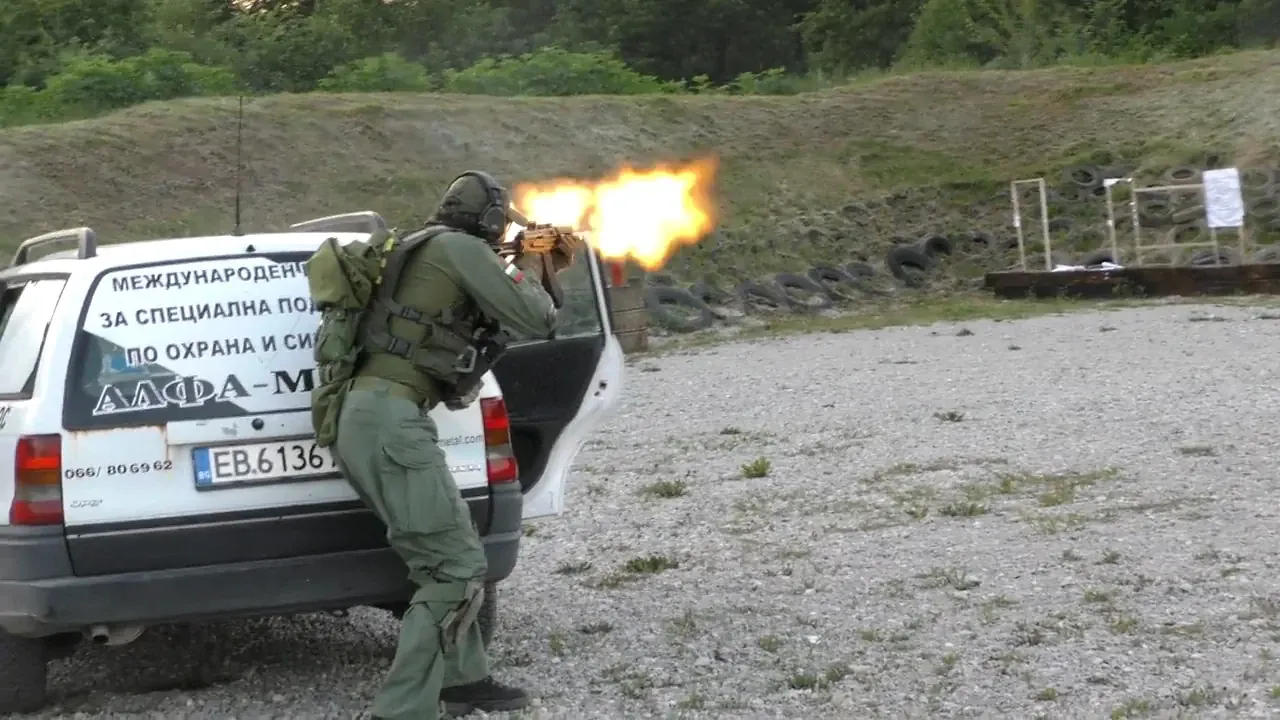
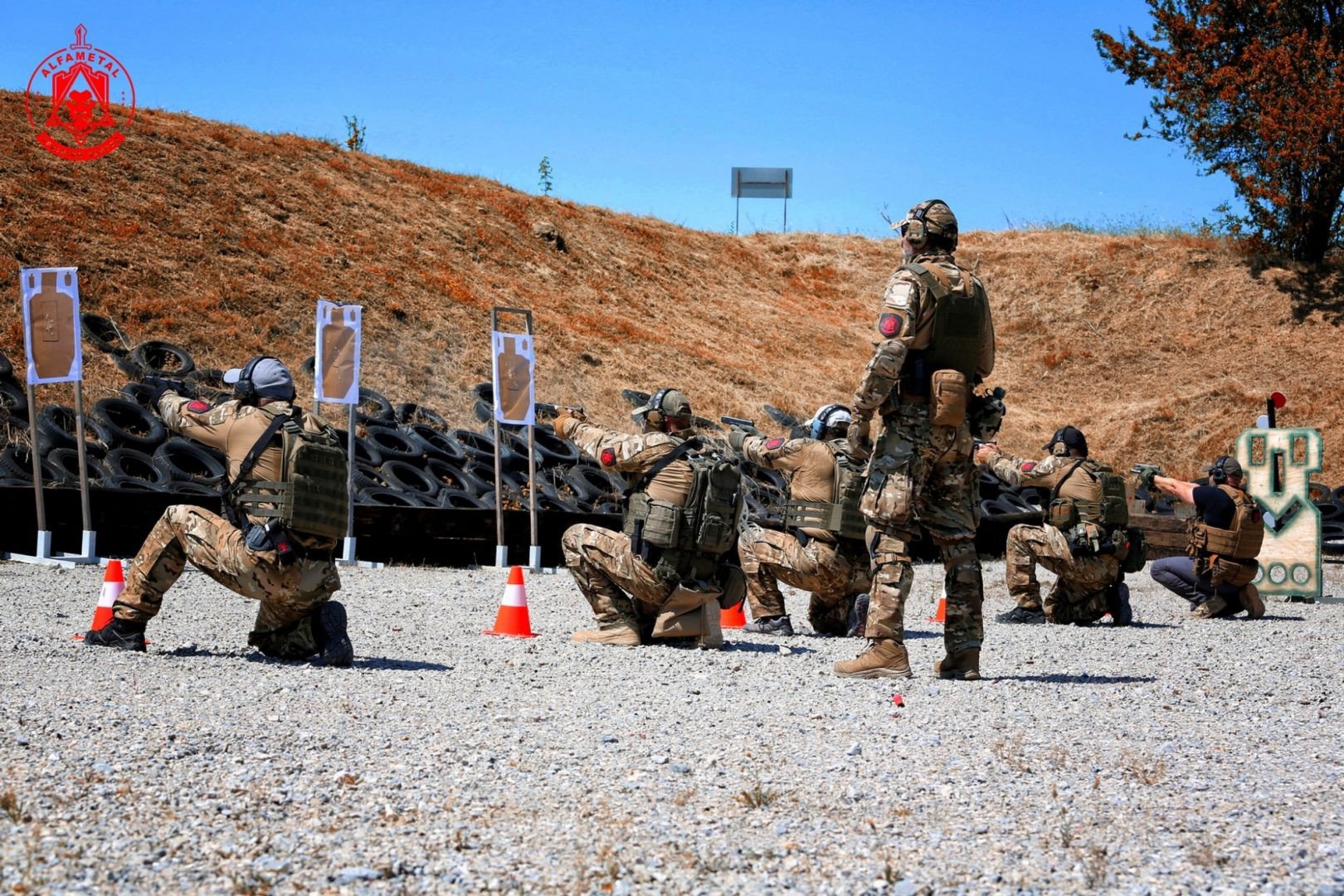
The training center initially also rejected allegations of links to Alfa Region, a Russian private security company.
After The Telegraph questioned Alfa-Metal about material on its own website, however, the company acknowledged that the two businesses had maintained “historical professional contacts.”
The relationship is significant because Alfa Region has promoted the Bulgarian training center and advertised courses involving instructors said to have experience in special forces and police units from several countries.
The intelligence findings have not been independently verified by The Telegraph.
Sources connected to the SAS have also questioned whether former members of the unit were actually involved in training Russians, arguing that such activity would run directly against the culture and values associated with Britain’s special forces community.
The Australian Secret Intelligence Service is now examining the allegations contained in the memo. Findings from that investigation could ultimately be shared with Britain, the United States and other members of the Five Eyes intelligence alliance, The Telegraph noted.
The UK Defense Ministry declined to comment on matters involving British special operations forces or intelligence.
Previously, reports emerged that Russia has bypassed Western sanctions to acquire advanced 3D-printing equipment comparable to technology used in Rolls-Royce manufacturing, helping Moscow cut the cost of its jet-powered drones roughly in half as it rapidly expands production.
Discuss this article:
-9a7b3a98ed5c506e0b77a6663f5727c5.png)


-c439b7bd9030ecf9d5a4287dc361ba31.jpg "Photo of Katherina Popilnichenko")
-72b63a4e0c8c475ad81fe3eed3f63729.jpeg "Photo of Cyril Barabaltchouk")