- Category
- World
Fuel Costs and Corporate Pushback Stall US “Sanctions From Hell”
 Prefer U24 Media on Google
- Authors

-72b63a4e0c8c475ad81fe3eed3f63729.jpeg "Photo of Cyril Barabaltchouk")
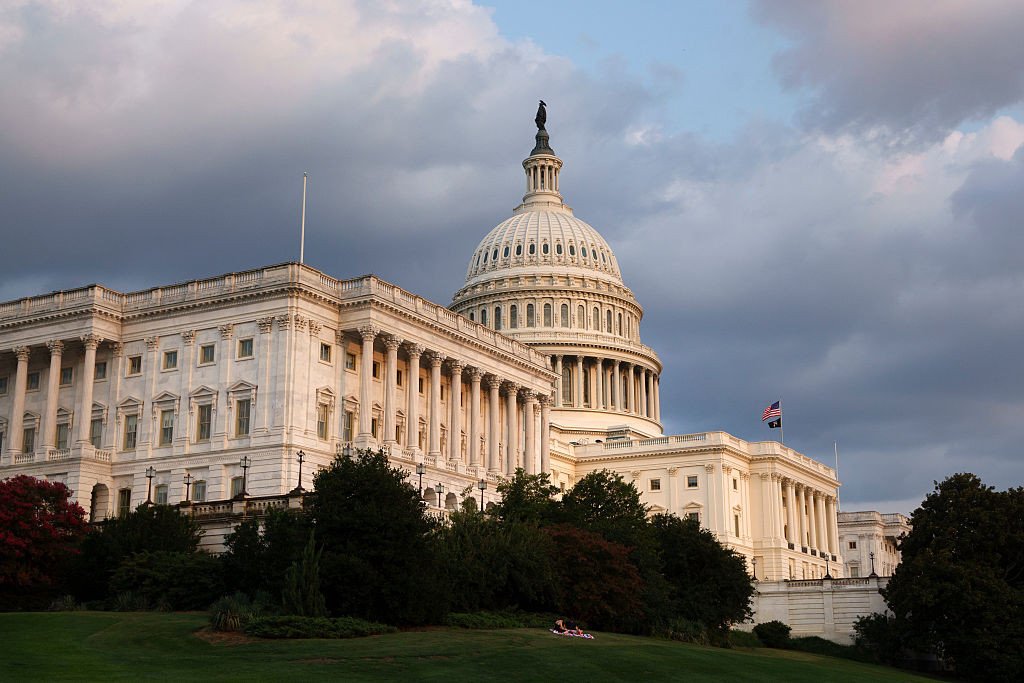
A Russia sanctions bill that overwhelmingly passed the Senate last month faces mounting opposition in the US House and is likely to stall until after the November elections over concerns regarding expanded tariff powers and rising oil prices, Bloomberg reported on September 3.
The growing resistance is a major victory for corporate lobbying groups, including the Retail Industry Leaders Association (RILA) and the US Chamber of Commerce, Bloomberg wrote.
We bring you stories from the ground. Your support keeps our team in the field.
The “Sanctions from Hell” package, formally known as the Lindsey O. Graham Sanctioning Russia Act, had cleared the US Senate with an overwhelming 86–11 bipartisan majority. Designed to choke off Moscow’s energy revenues, the legislation secured broad support in the upper chamber following more than two years of development before encountering its current impasse in the House.
Corporate giants such as ExxonMobil, General Electric, Ford, and Pfizer sent a joint letter to Congress expressing concerns that the measure could trigger severe unintended economic consequences for American consumers by imposing broad tariffs on key trading partners.
Bloomberg noted that the bill, authored by the late Senator Lindsey Graham, would authorize 100% tariffs on the top five buyers of Russian crude and natural gas—directly targeting major purchasing nations like China, India, and Turkey—as well as countries assisting in Russian energy sanctions evasion.
House Foreign Affairs Committee Chairman Brian Mast confirmed to Bloomberg that lawmakers are evaluating the bill’s potential impact on global fuel costs.
-0413fc92061a7ce1663d90efc3251ea0.jpg)
Mast warned that forcing massive buyers like India out of the Russian crude market would compel them to compete for other international oil supplies, driving up global prices at a time when domestic gasoline costs are already elevated due to war in the Middle East.
Bloomberg highlighted that Speaker Mike Johnson cast significant doubt on bringing the measure to a floor vote before the November congressional elections, citing both Democratic resistance and opposition from GOP factions.
-55f21c7a1f82d98bd95d79ebc8b4ffdf.jpg)
House Foreign Affairs Committee ranking member Gregory Meeks told Bloomberg he cannot support granting any president additional tariff authority, while also criticizing a built-in waiver provision that allows the administration to unilaterally bypass sanctions, fundamentally weakening the legislation.
Prior to the bill passing the Senate, US Senator Rick Scott urged Congress to immediately enact the Sanctioning Russia Act to cripple Moscow’s war economy.
In his push for the legislation, the Florida Republican framed the defense of Ukraine as essential to confronting an authoritarian coalition of Russia, China, Iran, and North Korea, emphasizing that secondary sanctions must target any nation enabling the invasion.
Discuss this article:






-8316a51e7339d28e1b71bbd4bfdc46ab.jpg "USS Charleston (LCS 18) in the Pacific on May 11, 2021.")
-899d44352237f3ef88d6d4ee49b73d4e.jpg "The sanctioned heavy-lift vessel Ya Qing Hai Yang, formerly known as Ocean 28, which previously transported equipment for Russia’s Arctic LNG 2 project. (Source: Open source)")