- Category
- World
Germany Builds Its Largest Military in 13 Years as Recruitment Surges 26%
 Prefer U24 Media on Google
- Authors

-c439b7bd9030ecf9d5a4287dc361ba31.jpg "Photo of Katherina Popilnichenko")
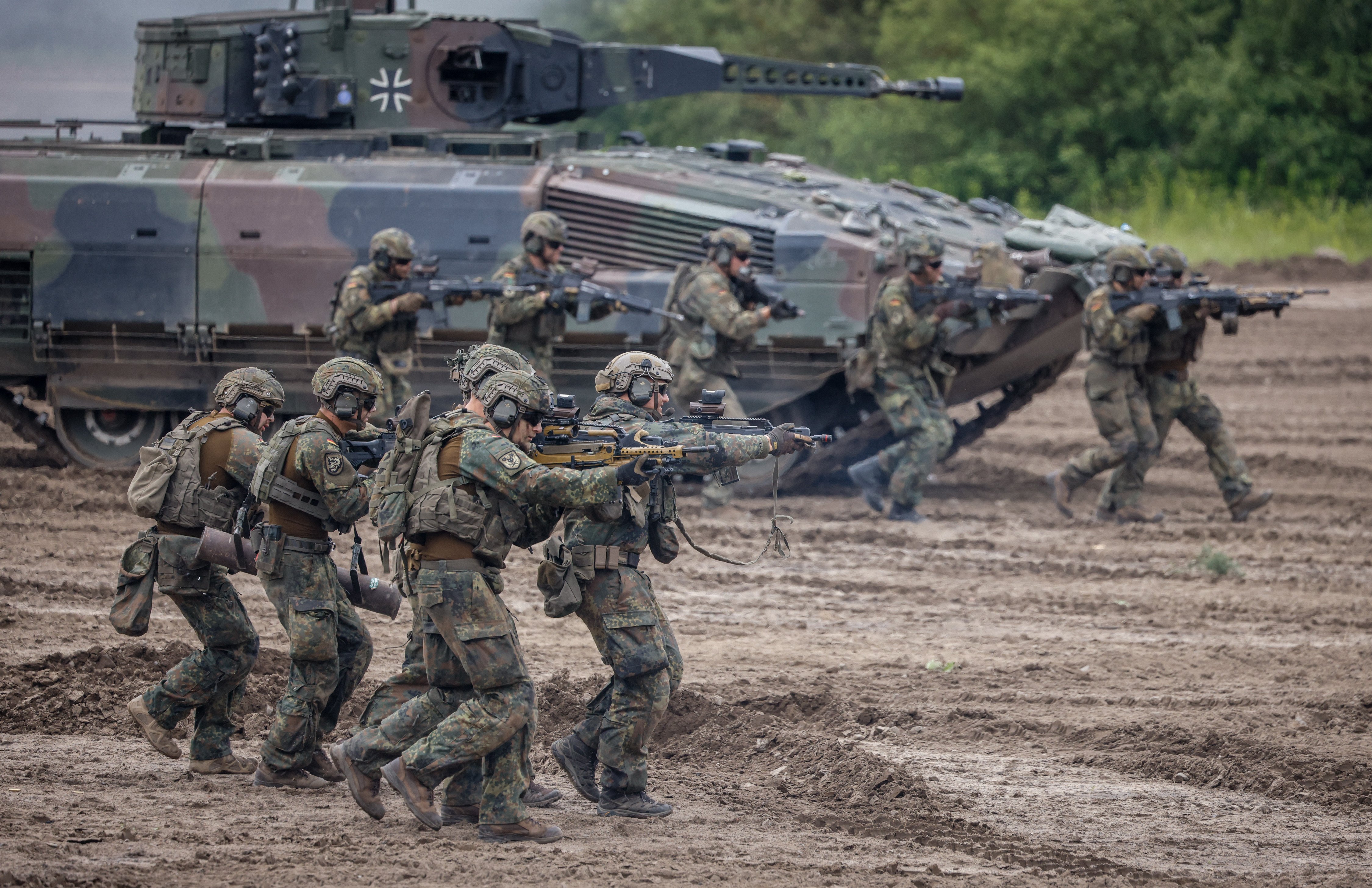
Personnel numbers across the German Armed Forces reached 186,700 service members by the end of July 2026, marking the highest troop count recorded by the nation in 13 years.
The Federal Ministry of Defense reported the figures on August 17, confirming a year-over-year increase of 3,700 personnel, or more than 2%, compared to July 2025. Defense officials noted that current staffing falls squarely within the target range established for the current year.
We bring you stories from the ground. Your support keeps our team in the field.
A central driver behind the expansion is a reformed recruitment mechanism introduced at the start of 2026. Under the new model, 18-year-old citizens receive questionnaires evaluating their willingness to complete six months of voluntary military service.
Participation in the survey is mandatory for men and optional for women. Out of roughly 378,000 individuals contacted, around 2,630 underwent fitness evaluations in July, reflecting a 35% monthly increase.
At present, approximately 12,100 volunteers and short-term contract personnel serve under the updated recruitment program, reflecting a 6% increase compared to the previous year.
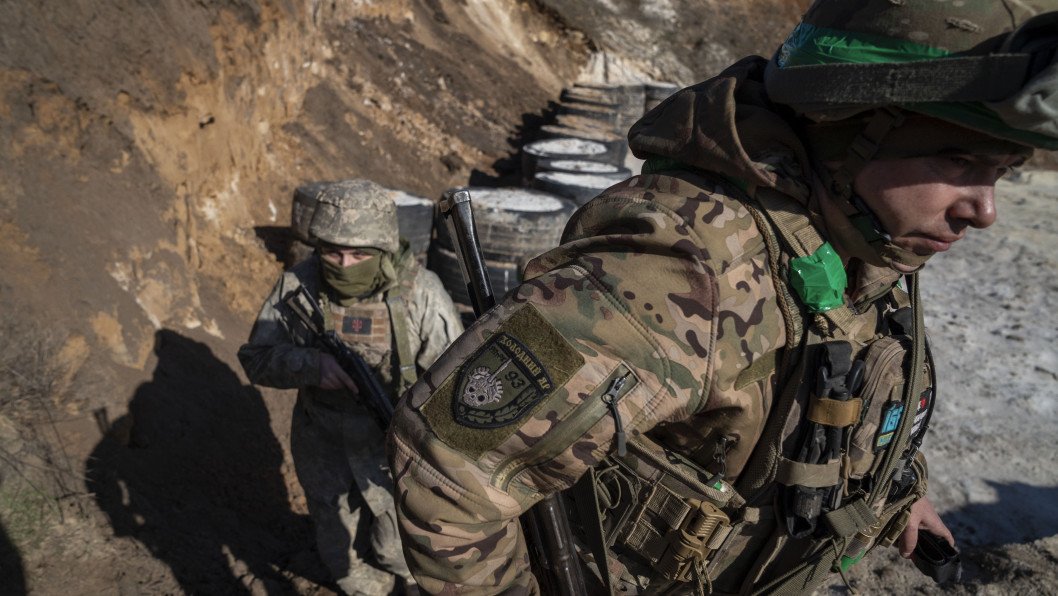
In addition, 47,300 individuals submitted applications for short-term active duty in July, representing a 26% rise over July 2025. Total enlistment numbers for the month reached 15,400 new recruits, up 12% year-over-year.
Long-term strategic targets aim to establish a standing force of at least 260,000 contract soldiers and a reserve component of 200,000 personnel by 2035.
Defense planning prioritizes voluntary intake, though compulsory service remains an option if voluntary enlistments prove insufficient to meet target quotas.
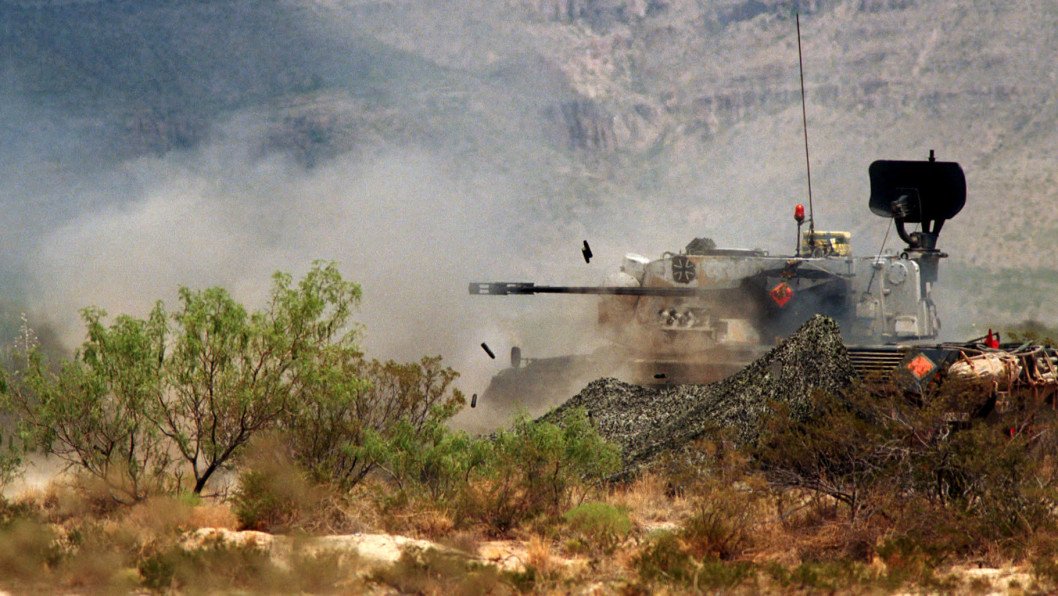
To accommodate the growing force, five former military bases located in Sigmaringen, Kusel, Speyer, Soest, and Friedberg are scheduled to be reactivated and transferred to ground force units.
German Inspector General Carsten Breuer had previously ordered the Bundeswehr to achieve full operational capability by 2029 to counter a potential Russian attack on NATO territory.
Funded through an easing of Germany’s constitutional debt brake, the directive prioritizes expanding air defenses, long-range precision strike capabilities, electronic warfare, and ammunition stockpiles following warnings that Russia could rebuild its forces to launch large-scale aggression by 2029.
Discuss this article: