- Category
- World
India Eyes Sharp Shift Away From Russian Oil Following Trump’s Sanctions Bill
 Prefer U24 Media on Google
- Authors

-c439b7bd9030ecf9d5a4287dc361ba31.jpg "Photo of Katherina Popilnichenko")
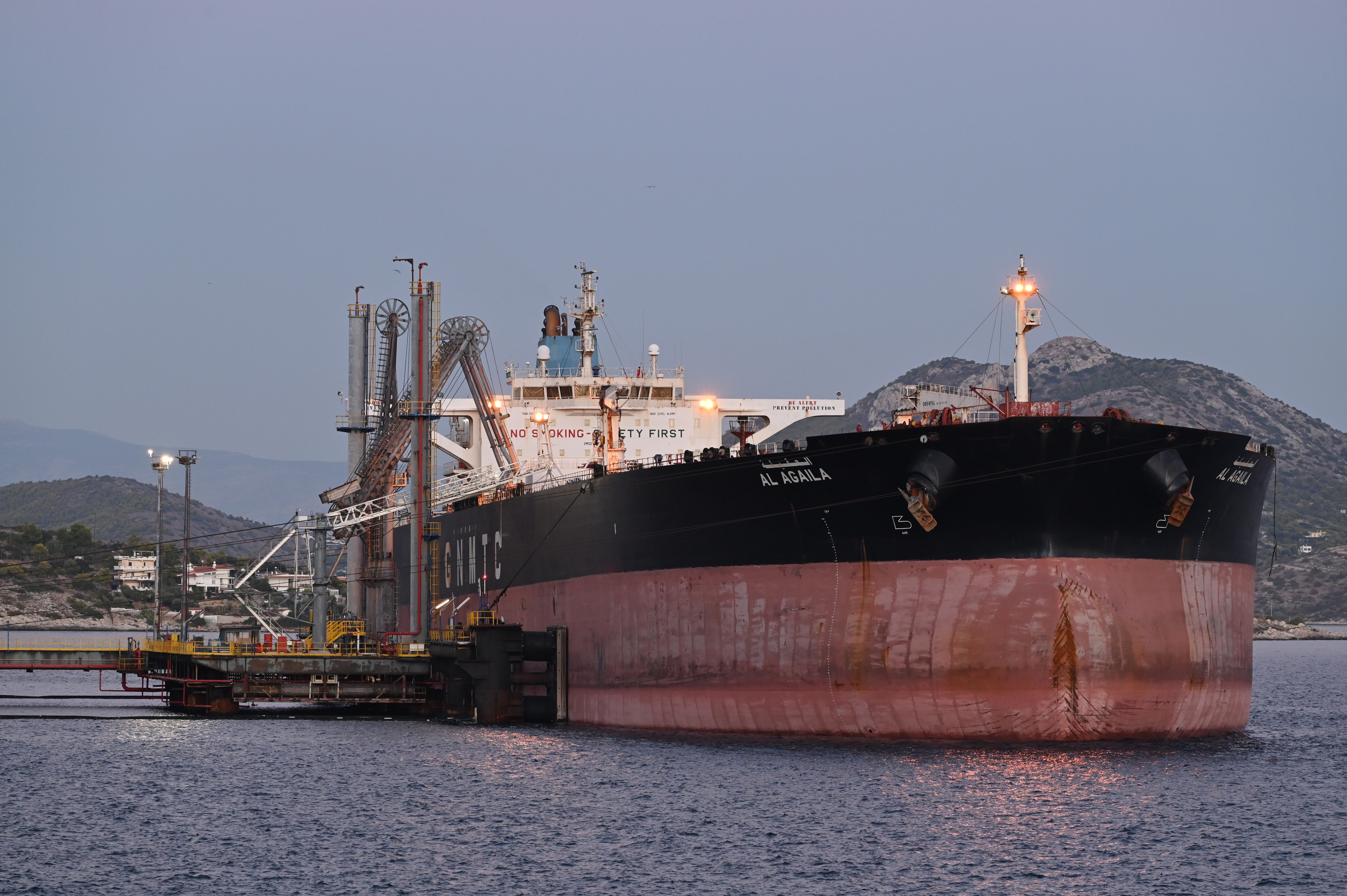
Indian refiners are preparing to reduce purchases of Russian crude oil after US President Donald Trump signed a bill allowing 100% tariffs on countries importing Russian energy, according to Bloomberg on September 21.
Russia previously supplied just over half of India's total oil imports, helping New Delhi cover supply disruptions from the Middle East.
We bring you stories from the ground. Your support keeps our team in the field.
Russian deliveries are already falling, with Kpler estimating September arrivals at 1.9 million barrels per day, marking the lowest level since April.
Indian refineries, currently arranging purchases for November delivery, are actively searching for alternative sources of raw materials as they evaluate how these restrictions will impact China and other major buyers.
Replacing Russian volumes quickly presents a significant challenge for India. Total imports from Russia far exceed potential volumes available from Venezuela or Iran, while alternative supplies from the Middle East remain noticeably more expensive, as reported by Bloomberg.
Late last week, delivered Urals crude to India traded at $133 per barrel, whereas Oman and Murban grades sold for several dollars higher.
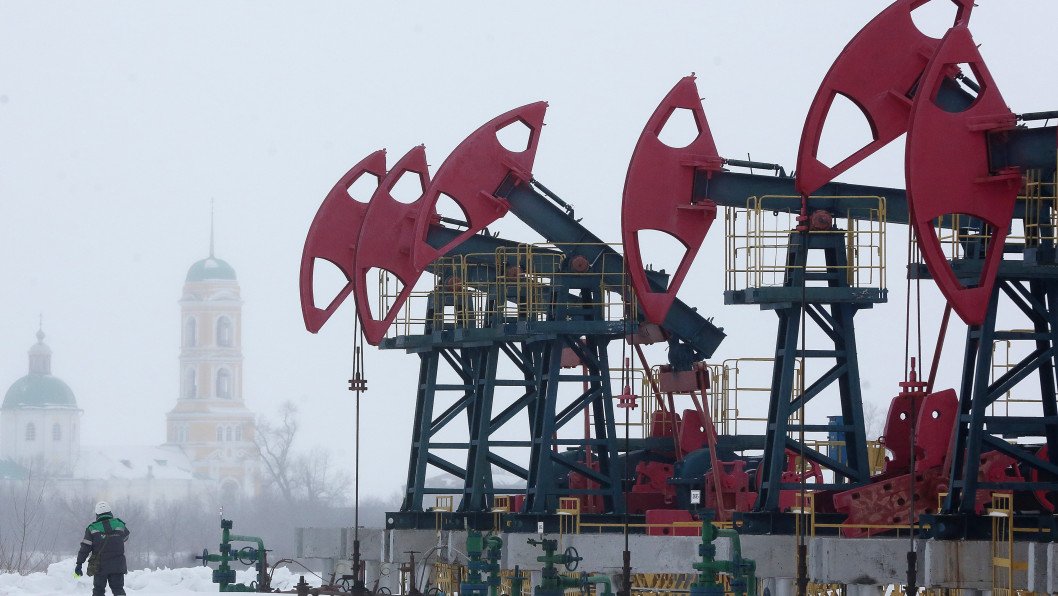
Domestic oil consumption in India continues to rise, driven by the launch of a new refinery in Rajasthan and expansion projects across other facilities, which could push the nation's total purchases to a record 5.4 million barrels per day.
Commenting on the situation, Ajay Srivastava, founder of the Global Trade Research Initiative, said: “India should continue to buy oil from Russia as long as it remains competitive. India should ignore US threats to introduce tariffs, as there is no end to them. The US may soon come up with new ways to introduce additional tariffs.”
Meanwhile, Hungary requested a continued exemption from the restrictions, according to Bloomberg. The country obtained a one-year waiver following a meeting between Trump and former Prime Minister Viktor Orbán at the White House last November.
Orbán claimed the waiver would stay in effect as long as both leaders remained in office, but after losing the April 2026 election, Hungary's new government will need to negotiate any extension on its own.

Trump signed the energy sanctions legislation into law on September 18, authorizing the administration to impose tariffs on the five largest buyers of Russian oil and gas if Russian supplies exceed 15% of their energy imports.
Both India and China meet these criteria, as reported by Bloomberg. The law also outlines similar tariffs for any countries assisting Russia in evading sanctions.
Previously, facing intense pressure from Washington, India cut ties with sanctioned Russian suppliers.
India’s imports of Russian oil had already plunged by 40% previously, hitting a multi-year low. Driven by the threat of secondary US sanctions and a push for a broader American trade pact, Indian financial institutions and refineries officially turned their backs on Moscow in favor of alternative suppliers.
Discuss this article:
-4a56a6b482ec132402c16ef6fcabf9a2.png)



-111f0e5095e02c02446ffed57bfb0ab1.jpeg "Photo of Roman Kohanets")


-72b63a4e0c8c475ad81fe3eed3f63729.jpeg "Photo of Cyril Barabaltchouk")