- Category
- World
Lithuania Joins Poland in Warning Russia May Target NATO’s Eastern Flank Next
 Prefer U24 Media on Google
- Authors

-111f0e5095e02c02446ffed57bfb0ab1.jpeg "Photo of Roman Kohanets")
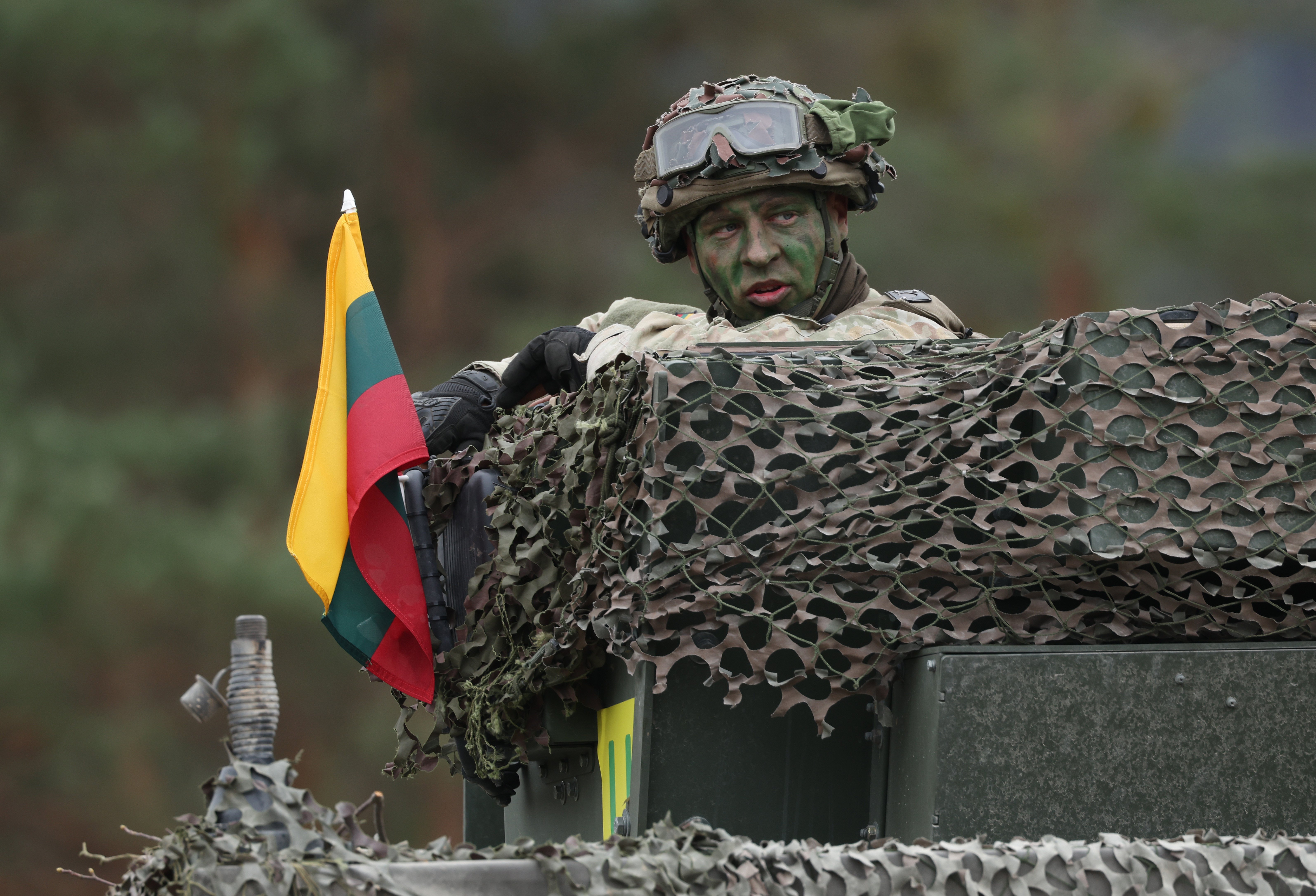
Russia regards the Baltic states and Poland as its most likely next target for escalation, driven by its failure to win the war in Ukraine, Lithuania's defense minister has warned.
Robertas Kaunas set out the assessment in remarks to the Lithuanian public broadcaster LRT on July 20.
We bring you stories from the ground. Your support keeps our team in the field.
Because Moscow has been unable to secure victory in Ukraine, he argued, the Kremlin is now searching for an alternative win—and looking to its western neighbors to find it.
Kaunas tied that search to conditions inside Russia itself, where Ukrainian strikes on fuel infrastructure have deepened shortages and stirred public doubt.
"Since the war in Ukraine is not unfolding as Russia planned, they are unable to win, and today explosions are echoing within Russia itself, there are fuel shortages [...] Russian society is already questioning the Kremlin regime about why this is happening and where the promised victory is," he told the broadcaster.
-be12baa581b8208e77d61528e09c1250.jpg)
For Kaunas, that pressure drives Russian leader Vladimir Putin toward a fresh confrontation. "The Kremlin, Putin, needs a new escalation, some kind of new win, and the Baltic region and Poland are the nearest target in this case," he added.
The warning followed confirmation from President Gitanas Nausėda, who linked the assessment to intelligence indicating possible Russian provocations against Poland or the Baltic states intended to test NATO's unity.
According to Nausėda, the threat centers on critical infrastructure and could be pursued through conventional military means or hybrid operations. Poland's foreign minister, Radosław Sikorski, has previously cautioned that Moscow might stage a "false flag" incident using Ukrainian-made drones.
In response, Lithuania has reinforced protection around its critical transport and energy sites. Kaunas confirmed that additional security now covers bridges, electricity substations, gas supply systems, and communications hubs, with contingency plans drawn up in advance of any Kremlin move.
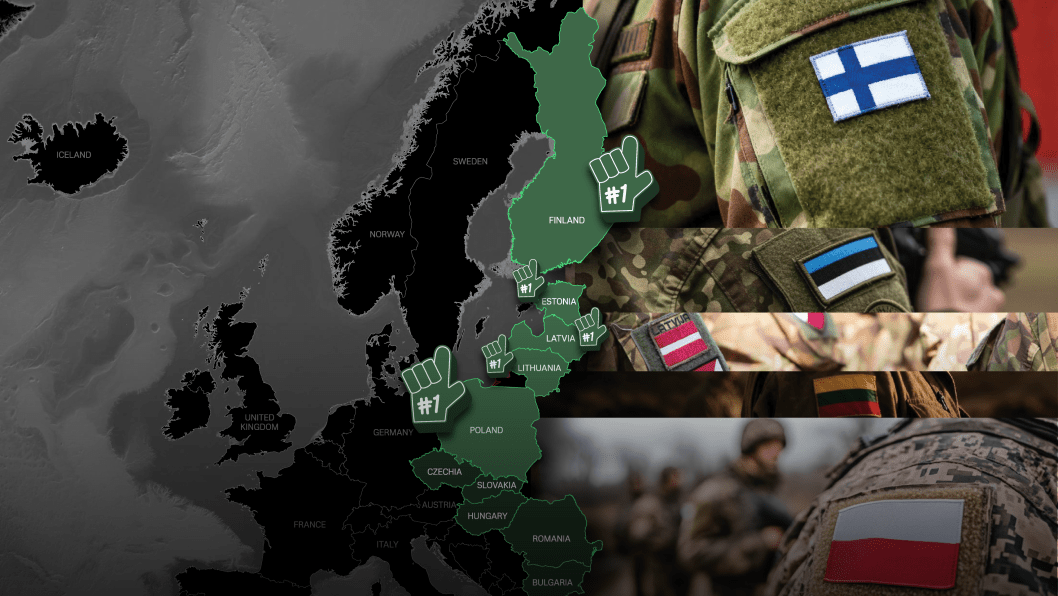
The interior ministry indicated that the Public Security Service would guard strategic sites, with the armed forces on hand to assist if required.
The alarm in Vilnius follows a string of similar moves across the region. In mid-July, Latvia strengthened security at a hydroelectric dam upstream from Riga and at its largest underground natural gas storage facility after intelligence flagged a potential Russian threat.
Earlier, on July 3, Warsaw was warned that Russia was preparing an armed provocation on Polish territory to test the alliance's resolve, with scenarios ranging from strikes on power facilities to limited incursions by unmarked troops.
Latvian intelligence had already signaled in late June that Moscow appeared to be readying provocations against the Baltic states or Poland, while assessing that any such move would fall short of a full-scale attack.
Discuss this article:
-4a56a6b482ec132402c16ef6fcabf9a2.png)

-c439b7bd9030ecf9d5a4287dc361ba31.jpg "Photo of Katherina Popilnichenko")