- Category
- World
NATO Combines AI and Robotics to Modernize Border Defense Strategy Against Russia
 Prefer U24 Media on Google
- Authors

-72b63a4e0c8c475ad81fe3eed3f63729.jpeg "Photo of Cyril Barabaltchouk")
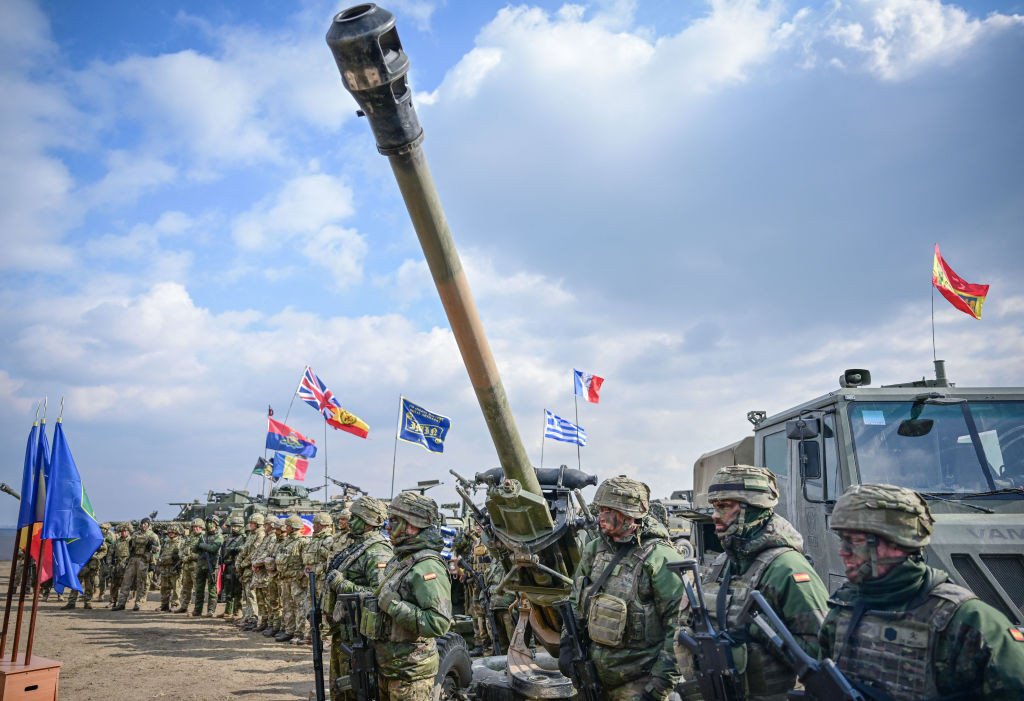
NATO is implementing a massive high-tech defense overhaul along its eastern border to counter potential Russian military aggression through a digitized sensor and artificial intelligence network code-named the “Eastern Flank Deterrence Initiative,” Bild reported on July 8.
The strategy marks one of the most significant structural transformations for the military alliance since the Cold War, shifting the primary line of border monitoring from human personnel to automated machinery.
We bring you stories from the ground. Your support keeps our team in the field.
According to internal alliance documents obtained by Bild, the initiative—known as EFDI—seeks to establish an invisible, tech-driven protective wall along the sensitive eastern corridor, which expanded by 1,340 kilometers following Finland’s NATO accession.
Instead of relying solely on traditional concrete barriers and barbed wire, the system deploys an interconnected grid of satellites, reconnaissance drones, radar, and ground sensors designed to identify and neutralize threats before an offensive can be launched.
At the core of this new defense architecture is a digital combat network referred to as the “Kill Web,” which continuously processes and evaluates situational data in real time. Bild reported that the implementation of artificial intelligence allows the alliance to aggregate intelligence inputs from all member states instantaneously, shrinking critical military response windows from hours to seconds.
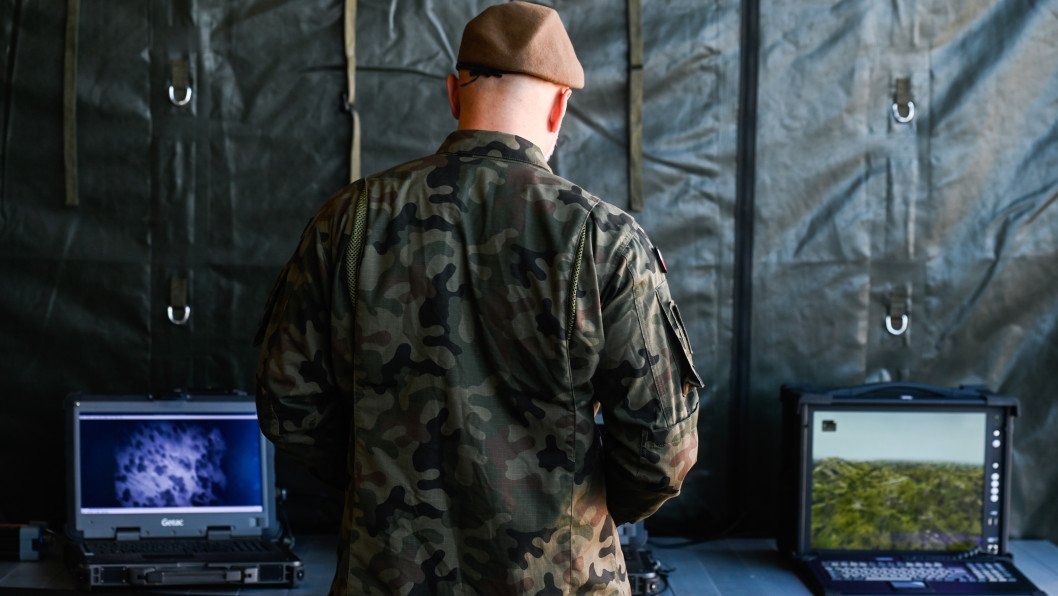
For instance, if an uncrewed aerial vehicle detects a foreign armored formation near the border, the AI immediately cross-references satellite imagery and ground-sensor inputs to provide joint commanders with a comprehensive operational picture and recommend the most effective defensive countermeasures, Bild wrote.
This advanced digital integration is engineered to complement existing conventional military forces rather than phase them out entirely. US Army spokesperson Major Matt Blubaugh told Bild that the concept “does not replace tanks, artillery, fighter jets, or soldiers,” but is instead intended to “preserve their combat power and provide commanders with more time and decision-making advantages.”
Through the EFDI framework, the alliance aims to transition from its legacy doctrine of deterrence by retaliation toward a proactive operational philosophy summarized by leadership as seeing first, deciding first, and striking first.
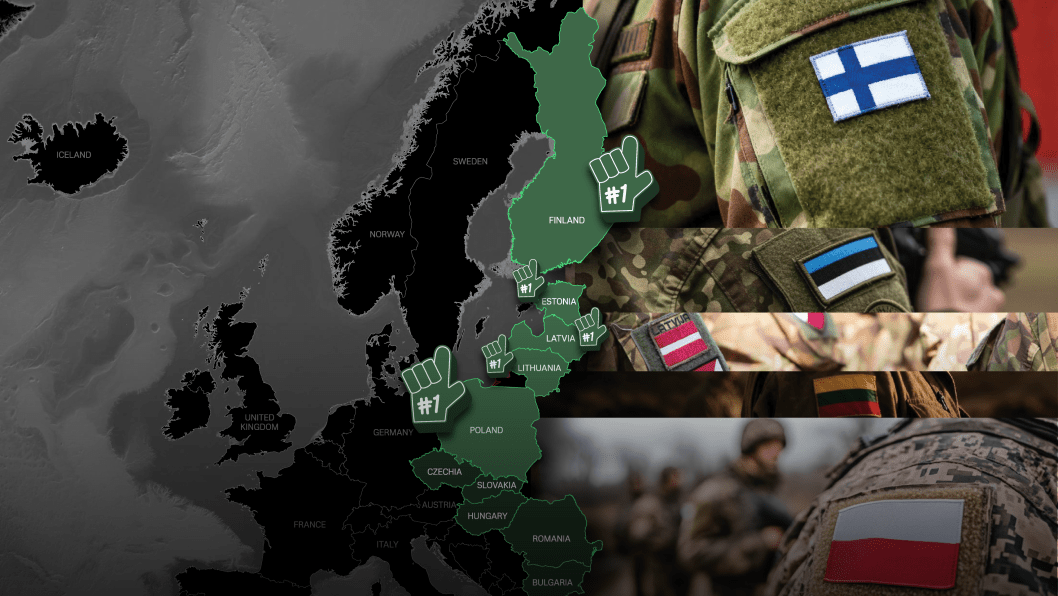
This high-tech defense overhaul is backed by a substantial surge in regional military funding, with five NATO members projected to exceed the alliance’s new 3.5% core defense-spending target as early as 2026. Updated alliance figures reveal that Lithuania, Estonia, Latvia, Poland, and Greece are outpacing the official 2035 deadline by nearly a decade to secure the eastern flank, with Lithuania leading all members at 5.33% of GDP.
The benchmark stems from a pledge enacted during the previous summit in The Hague to raise the defense-spending floor from 2% to 3.5% for hardware and troop readiness, while allocating a further 1.5% for auxiliary fields like cybersecurity.
Discuss this article:



-c439b7bd9030ecf9d5a4287dc361ba31.jpg "Photo of Katherina Popilnichenko")