- Category
- World
Nuclear Secrets as Payment: How Russia May Have Funded Its Iranian Drones
 Prefer U24 Media on Google
- Authors

-c439b7bd9030ecf9d5a4287dc361ba31.jpg "Photo of Katherina Popilnichenko")
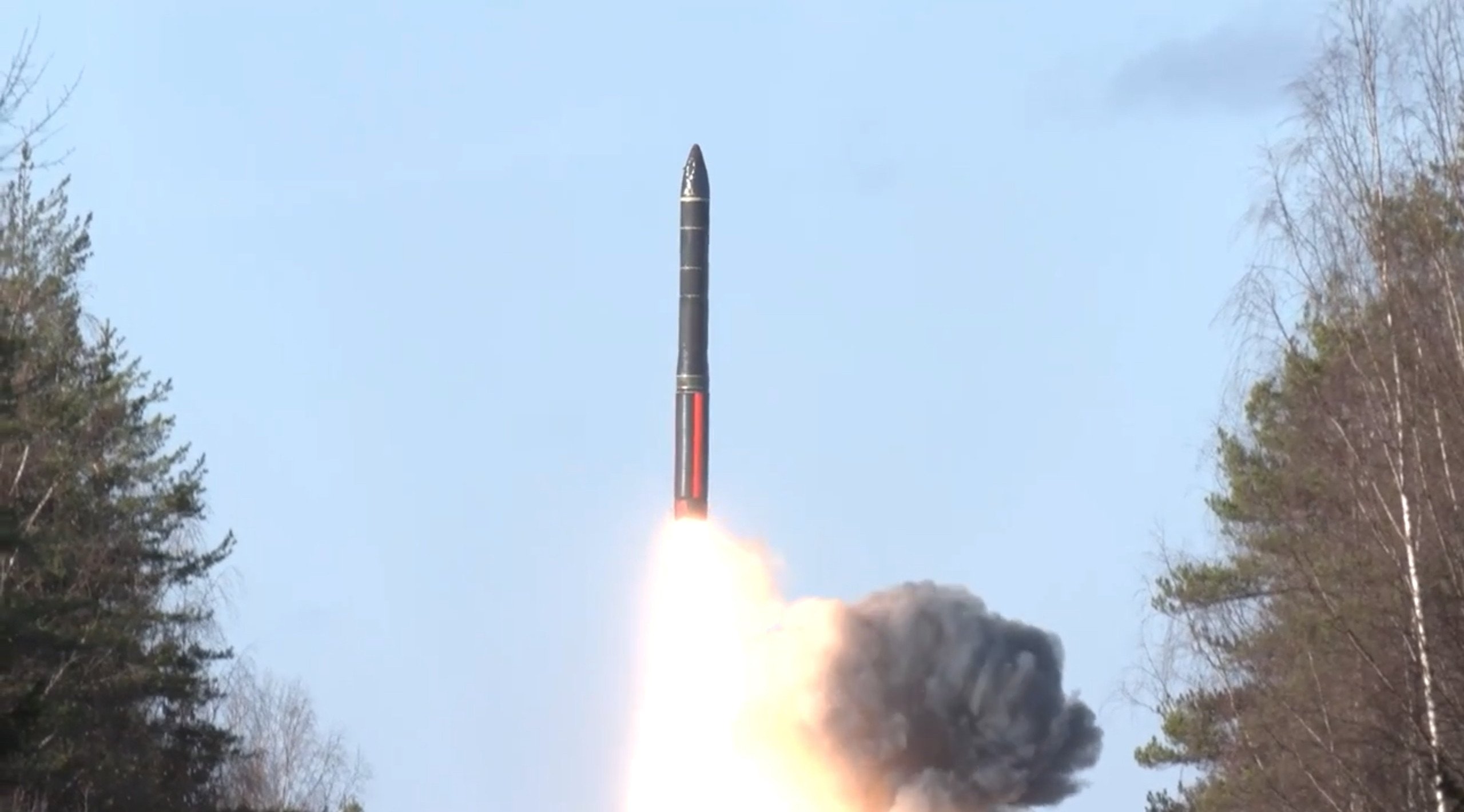
Russia paid for Iranian Shahed attack drones using gold, hard currency, and UAE dirhams transferred to shell company accounts, according to Molfar Intelligence Institute on August 20.
However, two names in the payroll records of the Alabuga Special Economic Zone in Tatarstan, Russia, suggest that nuclear know-how may have served as an additional form of payment.
We bring you stories from the ground. Your support keeps our team in the field.
On March 10, 2023, two individuals whose background is unrelated to aviation traveled on a flight from Russia to Iran. The first individual is Russian engineer Dmitry Shubnyakov.
Formally listed as a digital electronics software engineer at the Alabuga facility—specifically in the unit producing "motorboats," the Russian internal codename for domestically manufactured Shahed drones—Shubnyakov spent his entire career working on nuclear infrastructure.
His expertise focused on spent nuclear fuel management, weapons-grade plutonium facilities, and specialized servicing robotics.
Ten days before his flight to Tehran, his name appeared as an inventor on an international patent application for robotic repair systems used in spent nuclear fuel storage pools.
The second individual is Iranian researcher Saeid Darkhi, who lives in Yekaterinburg and conducts research at Ural Federal University. His work centers on metal forming under pressure, a technology applied in the manufacturing of nuclear fuel storage containers.
In July 2025, a person with this name received an international patent. Although both men received payments from Alabuga for over two years, Shubnyakov was registered in a position that did not match his actual activity, while Darkhi was paid under a one-off service contract without being assigned to a specific department.
Analysts at the Molfar Intelligence Institute traced both individuals through Alabuga payroll records covering the 2023–2025 period, when Russia localized Shahed drone production. The investigation examined whether these payments were linked to technology transfers or royalties for inventions and research.
Shubnyakov previously worked at the Special Design and Technology Bureau of Applied Robotics, a Moscow-based contractor with historical ties to Chernobyl cleanup operations and clients including Rosatom and the Russian Ministry of Defense.
His patents address repair issues in spent fuel storage pools—a technical area historically relevant to plutonium production reactors and spent fuel management agreements between Russia and Iran.
Darkhi’s academic research focuses on seamless tube manufacturing and titanium alloys, which are used in nuclear energy and spent fuel storage. Citations of his work link him to researchers at Iranian institutions connected to Iran's nuclear and missile programs.
Western media previously documented visits by Iranian scientists to Russian nuclear research centers in 2024, where they inquired about tritium, strontium-90, nickel-63, and laser technology useful for nuclear testing simulation.
According to intelligence reports and leaked documents from the Iranian entity Sahara Thunder, initial payments for Shahed drones involved 2,000 kilograms of gold bullion delivered by spring 2023, along with cash transactions routed through Dubai-based entities.
Ukrainian intelligence and independent researchers from C4ADS noted that bilateral defense cooperation expanded into broader military technology transfers beyond the drone project.
Molfar analysts suggest that payments funneled through Alabuga’s production expenses could have functioned as royalties or research compensation, framing nuclear technical knowledge as a non-monetary payment method for military hardware.
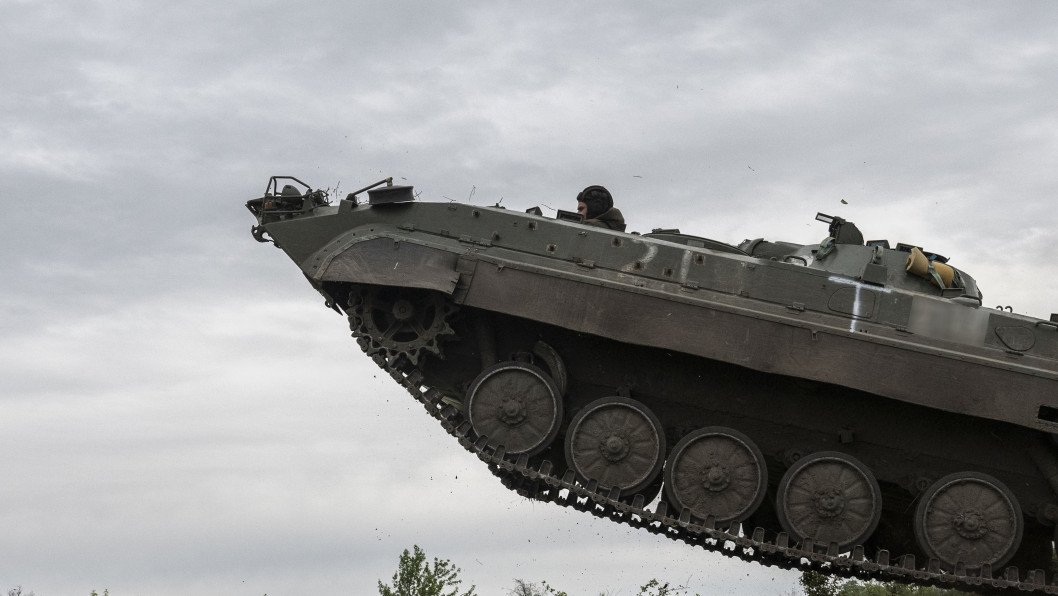
In March 2026, Russia openly declared its support for Iran amid escalating confrontations involving the United States and Israel, signaling that Moscow did not consider itself a neutral actor in the Middle East crisis.
Russian Ambassador to the United Kingdom Andrei Kelin confirmed that Moscow was siding with Tehran, criticizing Western governments for placing full blame on Iran while ignoring initial strikes by the US and Israel.
Pointing to the deepening strategic partnership between the two nations since the start of Russia's full-scale invasion of Ukraine, Kelin called for an immediate end to hostilities and a return to political dialogue rather than military escalation.
Discuss this article:
-4a56a6b482ec132402c16ef6fcabf9a2.png)




-72b63a4e0c8c475ad81fe3eed3f63729.jpeg "Photo of Cyril Barabaltchouk")