- Category
- World
Russia Could Put a Nuclear Weapon Into Orbit Within Weeks, Western Intelligence Warns
 Prefer U24 Media on Google
- Authors


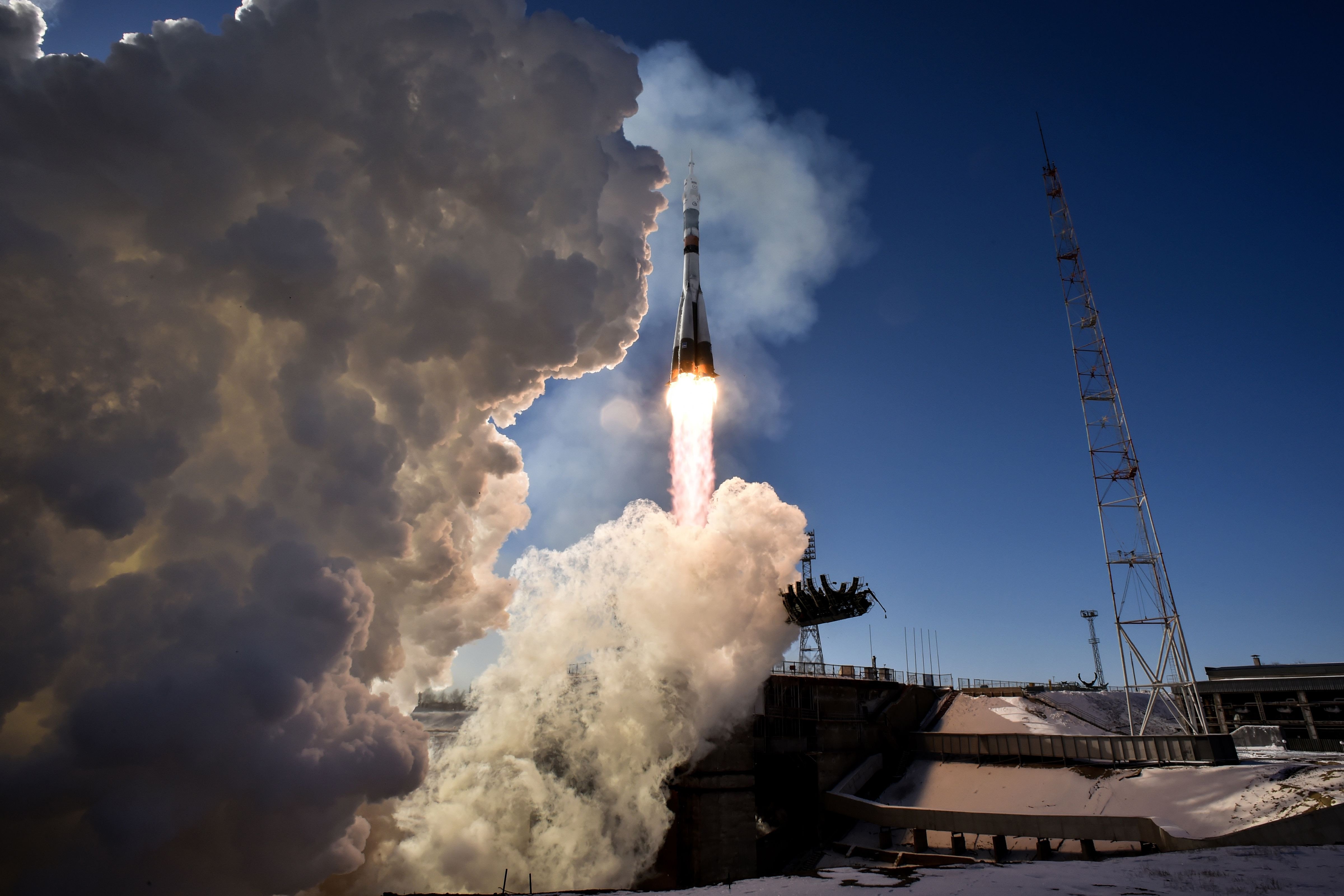
Russia could launch a nuclear-armed satellite into orbit within weeks, potentially threatening thousands of spacecraft supporting global communications, GPS navigation, and military operations, according to Western intelligence assessments.
We bring you stories from the ground. Your support keeps our team in the field.
A joint investigation by German broadcasters WDR and NDR and newspaper Süddeutsche Zeitung, published on November 23, revealed that Russia has reportedly completed a satellite known as Sputnik-S, which has allegedly been stored near Moscow for several years.
According to the investigation, intelligence warnings circulated among NATO countries in early November suggested that Russia could launch the spacecraft within 60 days. Germany’s Bundeswehr Space Command believes the launch could take place as early as December 2026, with the satellite potentially becoming operational shortly after reaching orbit.
The suspected weapon would not be designed to strike targets on Earth. Instead, a nuclear explosion in space could disable large numbers of satellites through intense radiation and electromagnetic effects.
US Space Command chief Gen. Stephen Whiting previously warned that such a detonation could disable approximately one-third of satellites in low Earth orbit within hours or days, with additional spacecraft potentially failing over the following months.
The consequences could extend far beyond military operations, disrupting satellite navigation, communications, banking services, and energy infrastructure that depend on satellite signals.
According to WDR, NDR, and Süddeutsche Zeitung, an October US military intelligence assessment also identified Russian efforts to develop a satellite capable of carrying nuclear weapons. American military officials reportedly see few effective ways to counter such a system once deployed in orbit.
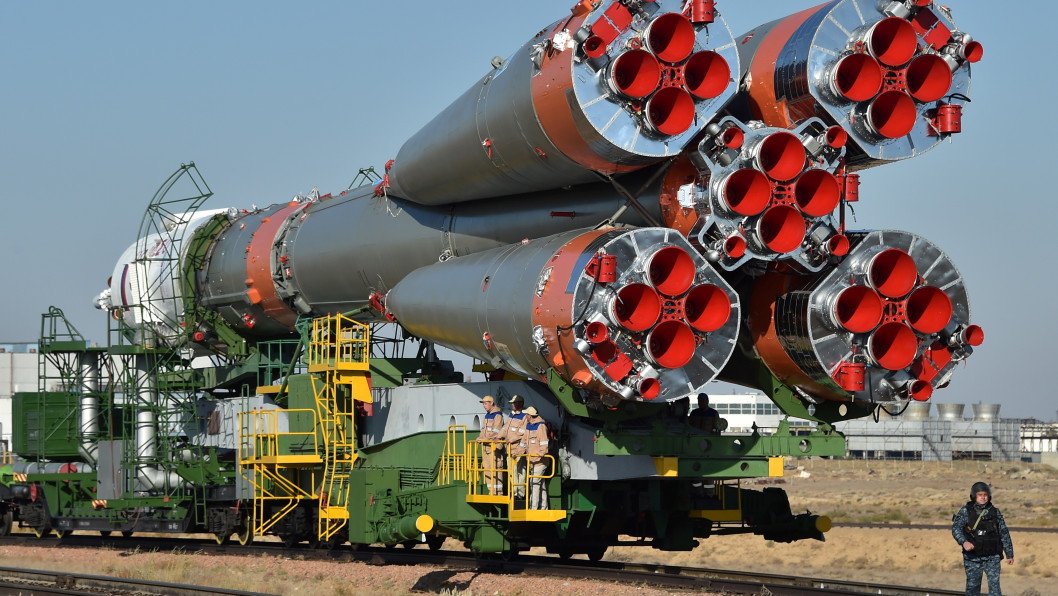
Western intelligence agencies have also investigated Russia’s Kosmos-2553 satellite, launched in February 2022, shortly before the full-scale invasion of Ukraine.
Although Moscow described the spacecraft as a radiation research platform, German intelligence suspects it may have been used to test satellite electronics and their ability to withstand the radiation generated by a nuclear explosion in space.
Deploying nuclear weapons in orbit would violate the 1967 Outer Space Treaty, which prohibits placing weapons of mass destruction in space.
Germany’s Defense Ministry declined to comment on the specific intelligence findings, while the Russian Embassy in Germany rejected the allegations and maintained that Moscow’s space activities comply with international law.
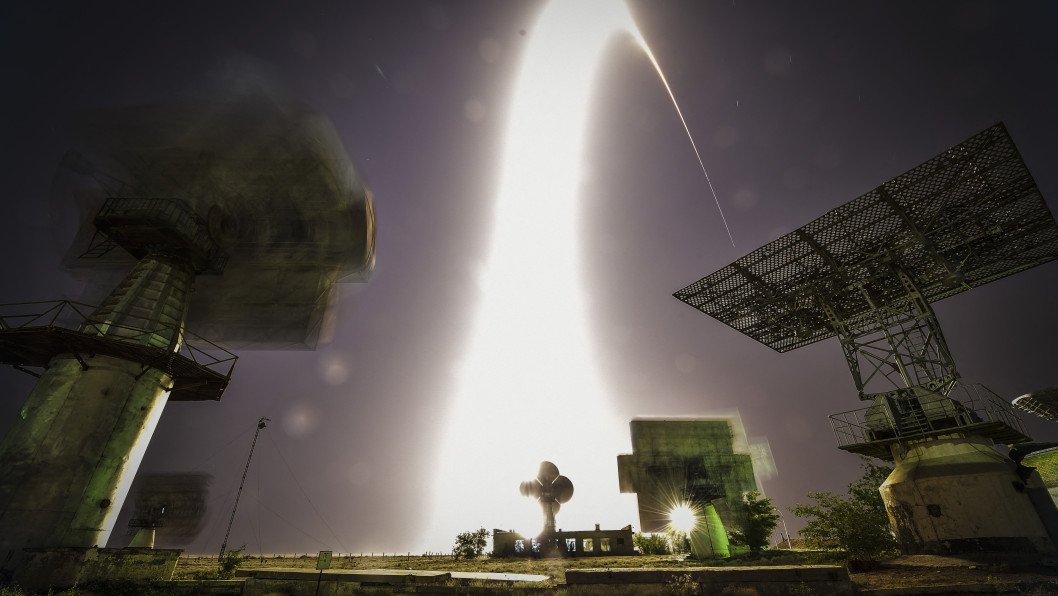
The potential consequences of a nuclear explosion in orbit were demonstrated during the US Starfish Prime test in 1962, when a nuclear detonation approximately 400 kilometers above the Pacific Ocean disrupted electrical systems in Hawaii and damaged several satellites.
With thousands of satellites now operating around Earth, a similar explosion could have far broader consequences. Russia has not publicly confirmed the existence of Sputnik-S, and the reported launch timeline remains an unverified intelligence assessment.
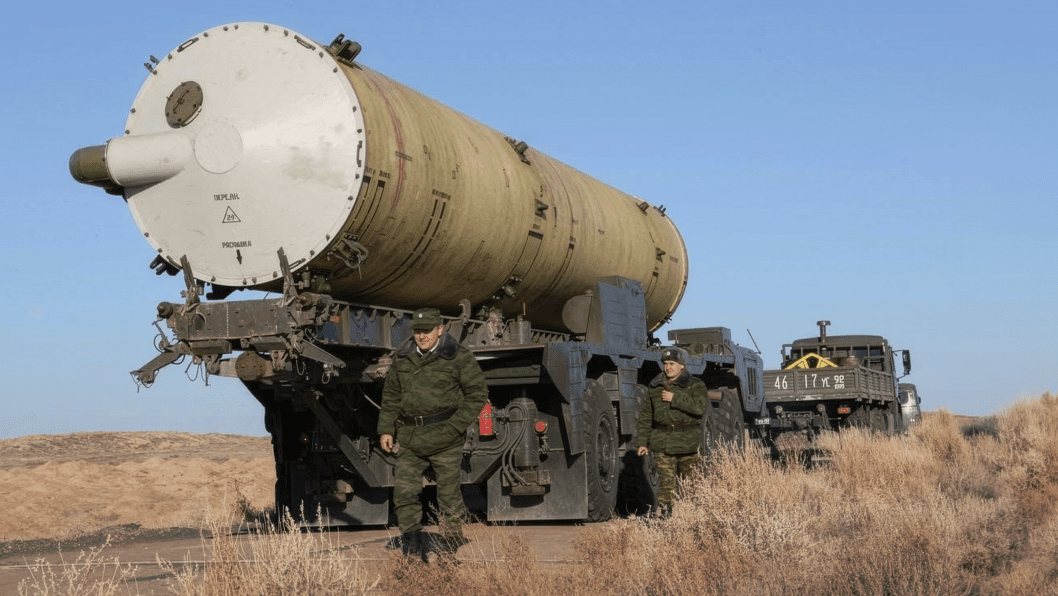
Earlier, an October 20 report citing the Royal United Services Institute (RUSI) warned that Russia’s conventional anti-satellite missiles, including the A-235 Nudol, may be insufficient to target large Western satellite networks. Russia previously tested Nudol in 2021, destroying one of its own satellites.
Discuss this article: