- Category
- Latest news
Russia Develops Area-Effect Weapon to Destroy Starlink Satellites, Intelligence Warns
 Prefer U24 Media on Google
- Authors


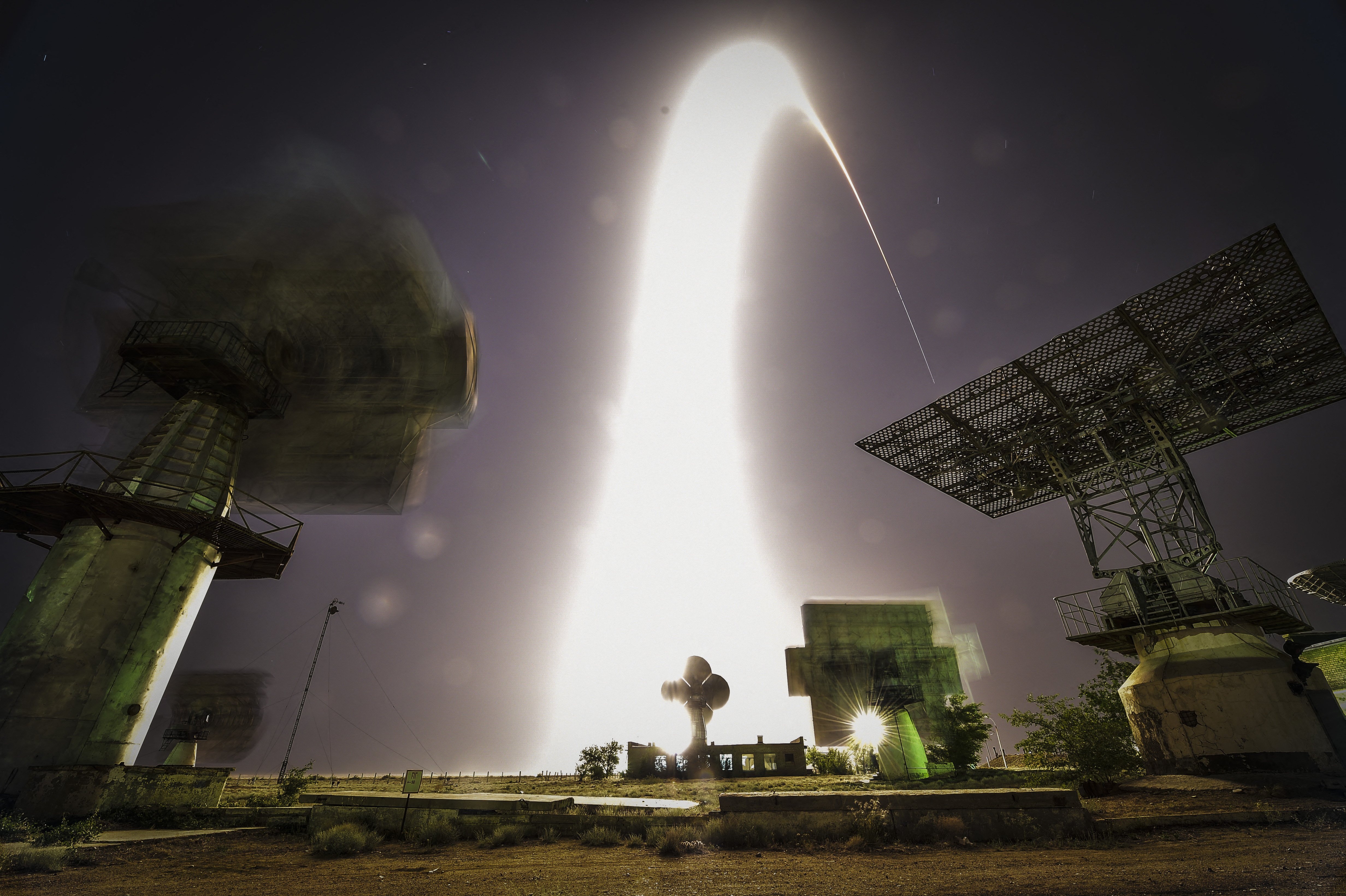
Russia is developing a new anti-satellite weapon designed to target Starlink satellites operated by US billionaire Elon Musk, according to intelligence assessments cited by the Associated Press on December 22.
The reporting, based on information from intelligence services of two unnamed NATO countries, says the system under development would rely on so-called “area-effect” technology.
We bring you stories from the ground. Your support keeps our team in the field.
The weapon would scatter hundreds of thousands of dense spherical objects into Starlink’s orbital paths—an approach that could disable multiple satellites at once while also posing what intelligence officials describe as a risk of “catastrophic collateral damage” to other space systems.
Starlink satellites operate in low Earth orbit at an altitude of roughly 550 kilometers. Intelligence officials warn that debris created by such an attack could spread far beyond those orbits.
Both the International Space Station and China’s Tiangong operate at lower orbital altitudes, meaning “both would be at risk” if debris were dispersed across nearby orbital lanes, according to the assessment cited by AP.
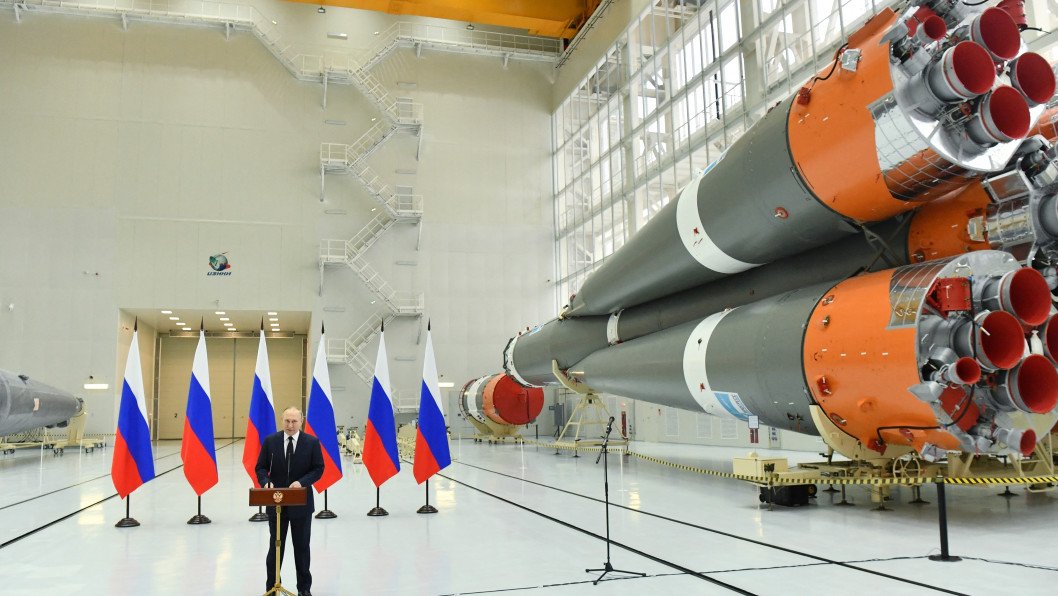
Experts quoted in the report say that following an attack of this kind, the released pellets and fragments from damaged satellites would eventually fall back toward Earth, potentially striking or destabilizing other orbital systems along the way.
Western intelligence agencies believe the purpose of the potential Russian operation would be to erode Western advantages in space—particularly satellite networks such as Starlink, which have played a significant role in supporting Ukraine on the battlefield.
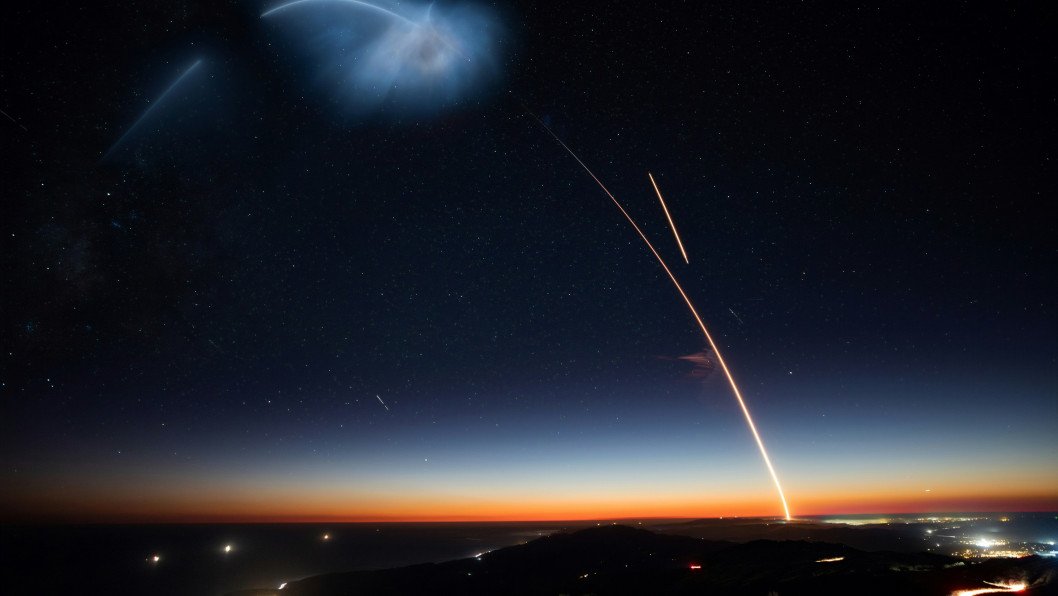
Russian officials have repeatedly warned that commercial satellites used to support Ukraine’s armed forces could “become legitimate targets,” signaling a willingness to expand the war’s scope into orbit.
In December, Russia also announced the deployment of its S-500 ground-based missile system, which it claims is capable of engaging targets in low Earth orbit.
According to the intelligence findings summarized by AP, the proposed system differs from the missile Russia tested in 2021, which destroyed a defunct Cold War–era satellite and created a dangerous debris cloud.
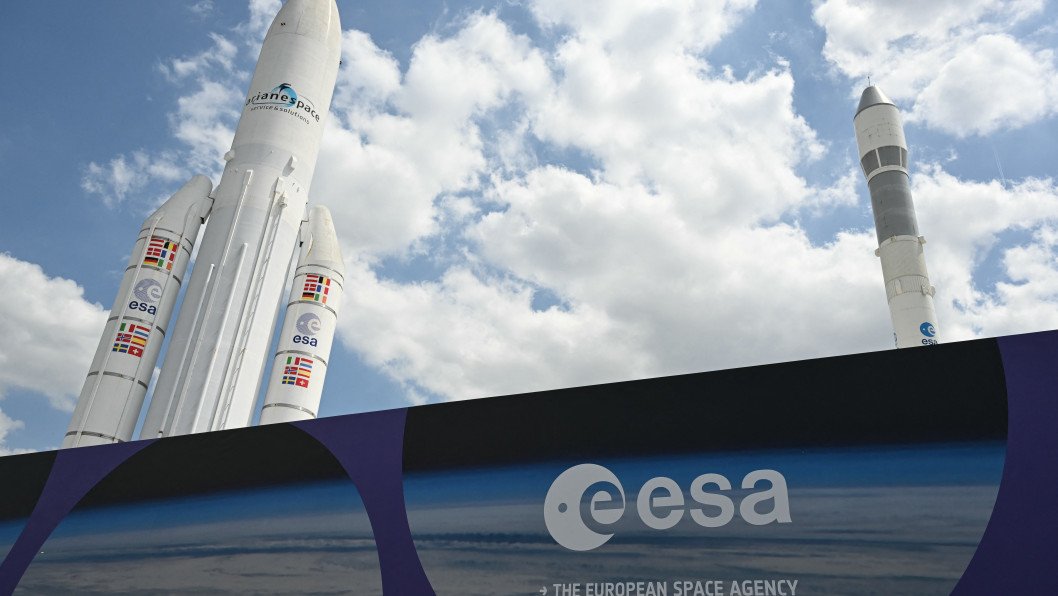
“Unlike that missile test, the new weapon under development would be designed to strike multiple Starlink satellites simultaneously, potentially releasing pellets from formations of small satellites that have not yet been launched,” the report states.
Brigadier General Christopher Horner, who commands Canada’s military space unit, told AP that such a capability “cannot be ruled out,” particularly in light of previous US statements warning that Moscow has been exploring indiscriminate space-based nuclear weapons.
Earlier, reports emerged that China and Russia were actively testing stealth-related technologies designed to make their satellites harder to detect with radar and optical sensors, a senior US Space Force official said, warning that space surveillance is increasingly turning into a game of concealment rather than confrontation.
Discuss this article:


-c439b7bd9030ecf9d5a4287dc361ba31.jpg "Photo of Katherina Popilnichenko")