- Category
- Latest news
Europe Enters New Era of Space Militarization as ESA Approves First-Ever Defense Program
 Prefer U24 Media on Google
- Authors


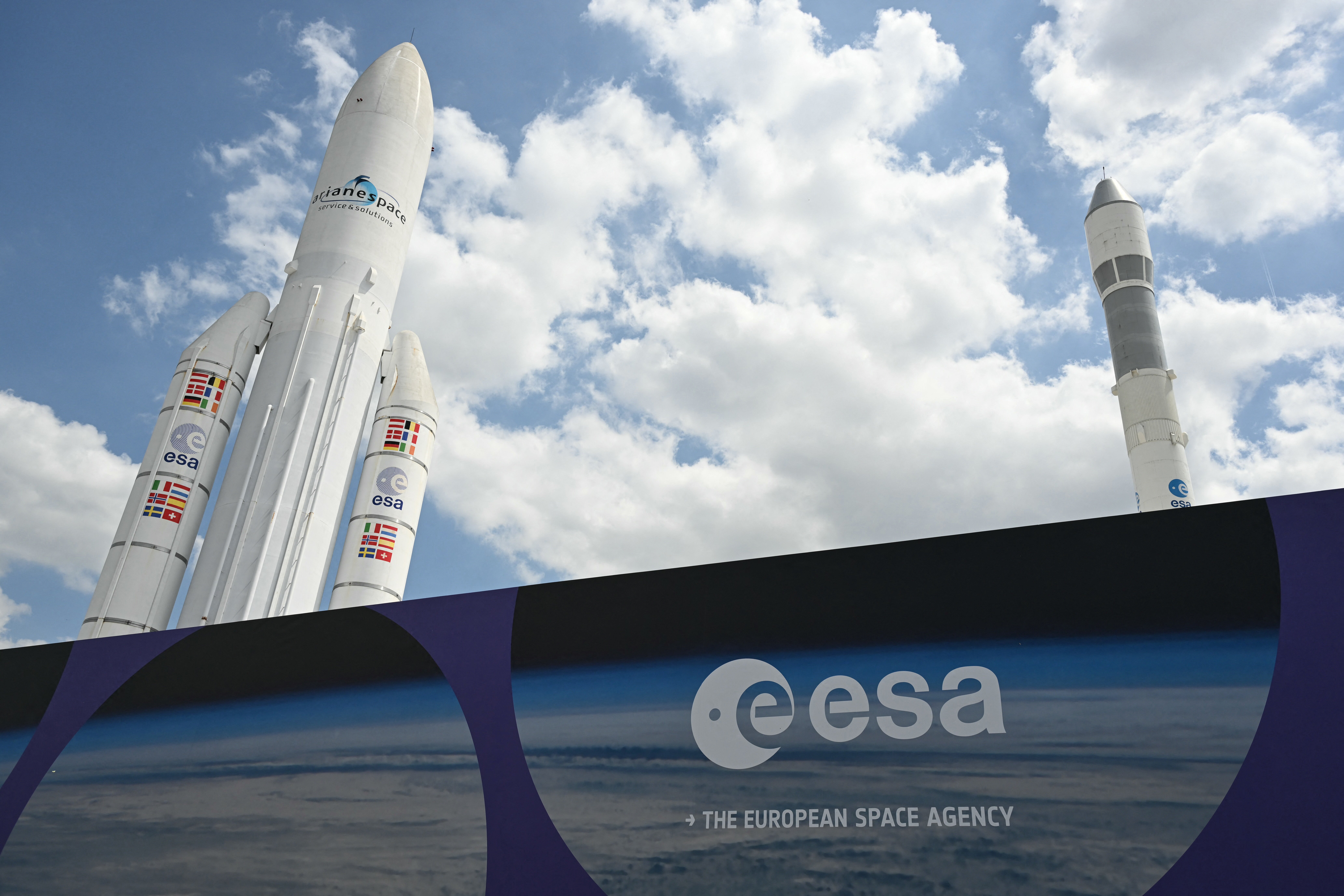
Europe is taking its biggest step yet into space militarization, as for the first time in its history, the European Space Agency (ESA) will fund a program explicitly designed for military use, shifting away from its long-standing commitment to “exclusively peaceful” space activity, ESA reported on November 27.
The decision comes as ESA member states approved a record $25.6 billion three-year budget—nearly all the funding the agency requested.
We bring you stories from the ground. Your support keeps our team in the field.
The centrepiece of this shift is European Resilience from Space (ERS), a new dual-use program intended to build a military-grade “system of systems” combining national satellites for secure surveillance, communications, navigation, and climate monitoring.
ERS received $1.39 billion of the $1.56 billion ESA sought. In February, ESA will ask European defense ministries for an additional $290 million.
ESA Director General Josef Aschbacher called the decision “a clear defense and security mandate,” noting that support from 23 member states—including non-EU countries such as the UK—was nearly unanimous.
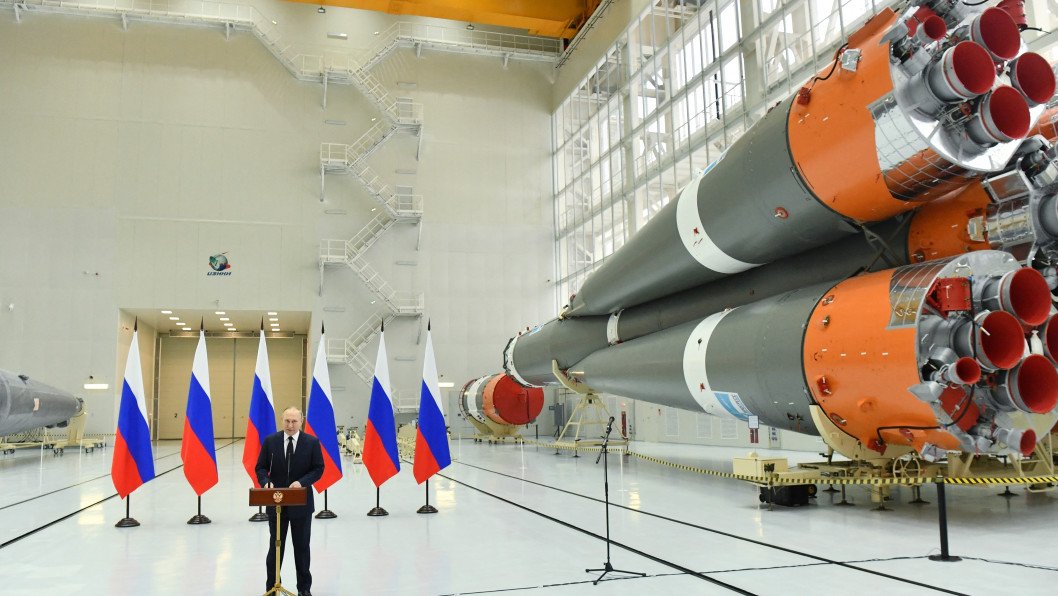
Poland reportedly played a critical role in pushing ESA to adopt a stronger military posture and is now in talks to host a new ESA security center, The Financial Times reported.
The shift comes amid rising alarm over Russia’s and China’s increasingly aggressive behavior in orbit. European militaries say Russian satellites have repeatedly maneuvered dangerously close to European spacecraft—likely for intelligence gathering, signal interception, or testing jamming capabilities. In the early months of Russia’s full-scale invasion of Ukraine, Moscow also successfully launched cyberattacks against European satellites.
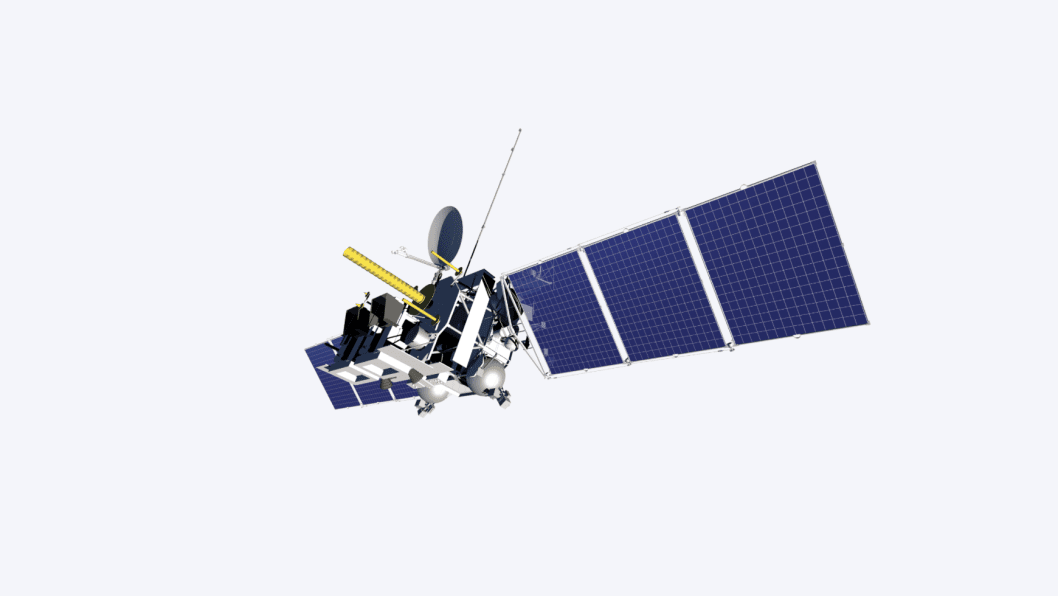
The war underscored how essential secure space-based assets are for national defense—communications, navigation, early warning, and real-time imagery. These capabilities, long dominated by the United States, are now seen in Brussels as critical for European strategic autonomy.
At the ministerial summit in Bremen, ESA member states also approved:
a total transportation budget of $5.09 billion (4.39 billion EUR) to develop reusable European rockets;
$4.18 billion for commercial space partnerships;
continued funding for the Rosalind Franklin Mars mission, now slated for launch in 2028 with NASA’s confirmed support;
initial studies for a mission to Saturn’s moon Enceladus, seen by astrobiologists as a prime target for finding extraterrestrial life.
Germany—already planning to invest $40.6 billion in military space capabilities by 2030—extended its lead as ESA’s largest contributor. In exchange, Berlin secured a commitment that a German astronaut will be the first European to join NASA’s Artemis lunar missions.

Space consultants note that while ERS funding is substantial, it remains politically delicate. “The coming year will be decisive for whether Europe can truly stand up a sovereign, rapid-response intelligence surveillance and reconnaissance constellation,” said Maxime Puteaux of Novaspace.
Earlier, Maj. Gen. Paul Tedman, head of the UK Space Command, reported that Russia was routinely shadowing and trying to jam British military satellites.
Discuss this article:



-c439b7bd9030ecf9d5a4287dc361ba31.jpg "Photo of Katherina Popilnichenko")