- Category
- World
Russia Deploys Non-Police Personnel to Street Duties to Patch 212,000-Staff Shortage
 Prefer U24 Media on Google
- Authors

-111f0e5095e02c02446ffed57bfb0ab1.jpeg "Photo of Roman Kohanets")
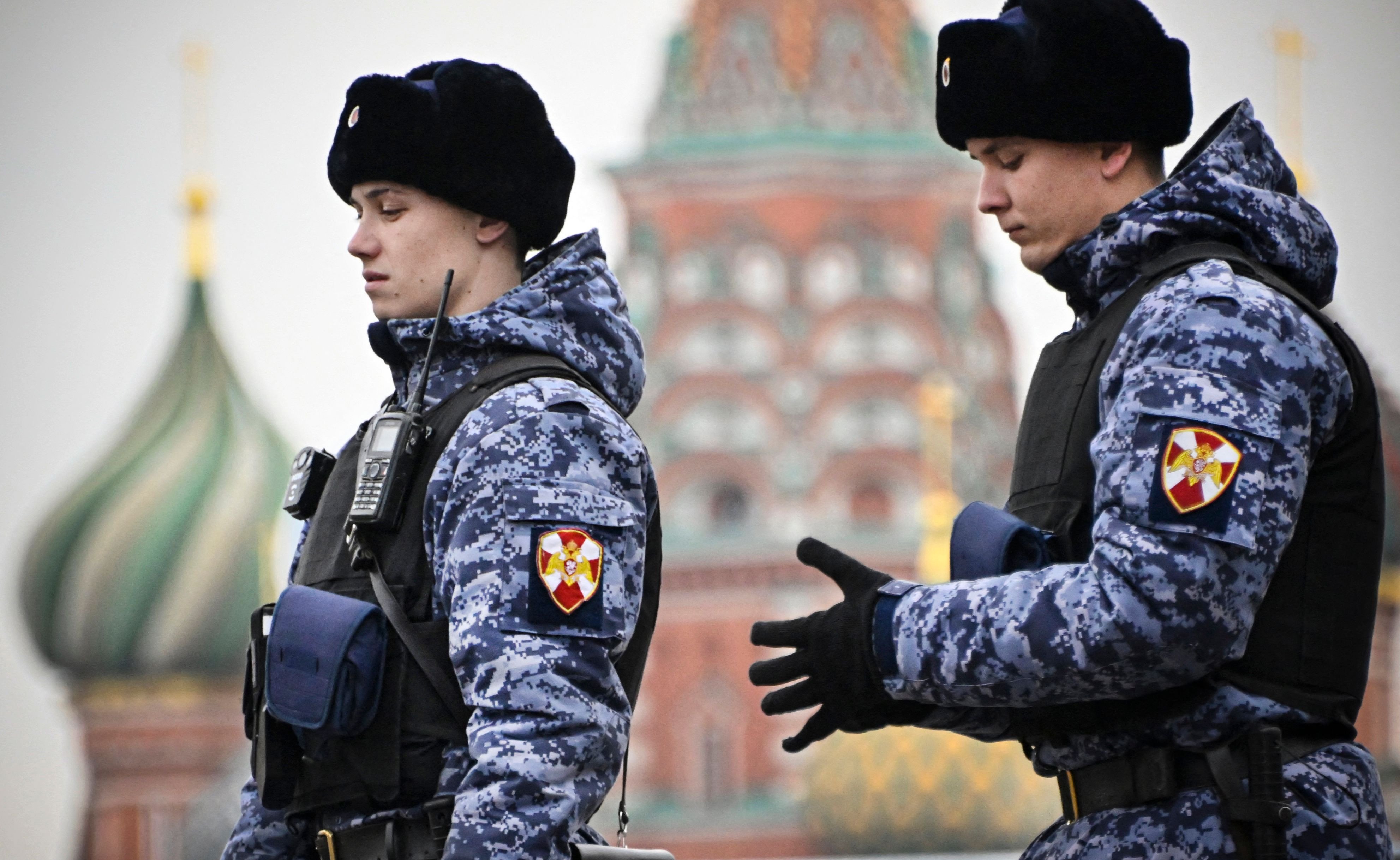
Russia's Interior Ministry is preparing to deploy civilian employees and internal service staff to perform frontline policing duties to address a catastrophic personnel shortage, Ukraine's Foreign Intelligence Service reported on June 23.
Under a new ministerial order, non-police personnel—including internal administrative workers—will be assigned patrol and district officer functions after completing a short training course on basic legal and regulatory frameworks.
We bring you stories from the ground. Your support keeps our team in the field.
The intelligence agency described the measure as an attempt by ministry leadership to patch critical gaps it can no longer fill through conventional recruitment.
Russian Interior Minister Vladimir Kolokoltsev acknowledged the scale of the crisis. According to the Foreign Intelligence Service, Kolokoltsev noted that 80,000 employees left the system last year alone—40 percent more than the number of new hires.
The total staffing deficit has reached 212,000 positions, of which 186,000 are certified law enforcement roles. The primary cause, the agency noted, is extremely low pay.
Russia's emergency services face a parallel collapse. The country's fire and rescue service is short more than 200,000 personnel for the same reason—severe underfunding.
Against this backdrop, the Russian leader, Vladimir Putin, has signed new decrees to further expand the armed forces.
The intelligence agency characterized the move as a deliberate sacrifice of domestic security for the sake of the war against Ukraine, with the Kremlin consciously draining civilian institutions to sustain military operations.
The broader pattern of coercive military recruitment has intensified sharply across Russian regions. Mass round-ups of draft-eligible men have been reported in cities such as Penza, where authorities detained residents at checkpoints and pressured them into signing military contracts.
Regional officials, facing strict Kremlin-imposed enlistment quotas, have increasingly targeted vulnerable populations, including individuals with outstanding debts and former prisoners under administrative supervision.
Discuss this article: