- Category
- World
Russia Is Draining Crimea’s Underground Water Reserves, Pushing the Peninsula Toward Desertification
 Prefer U24 Media on Google
- Authors


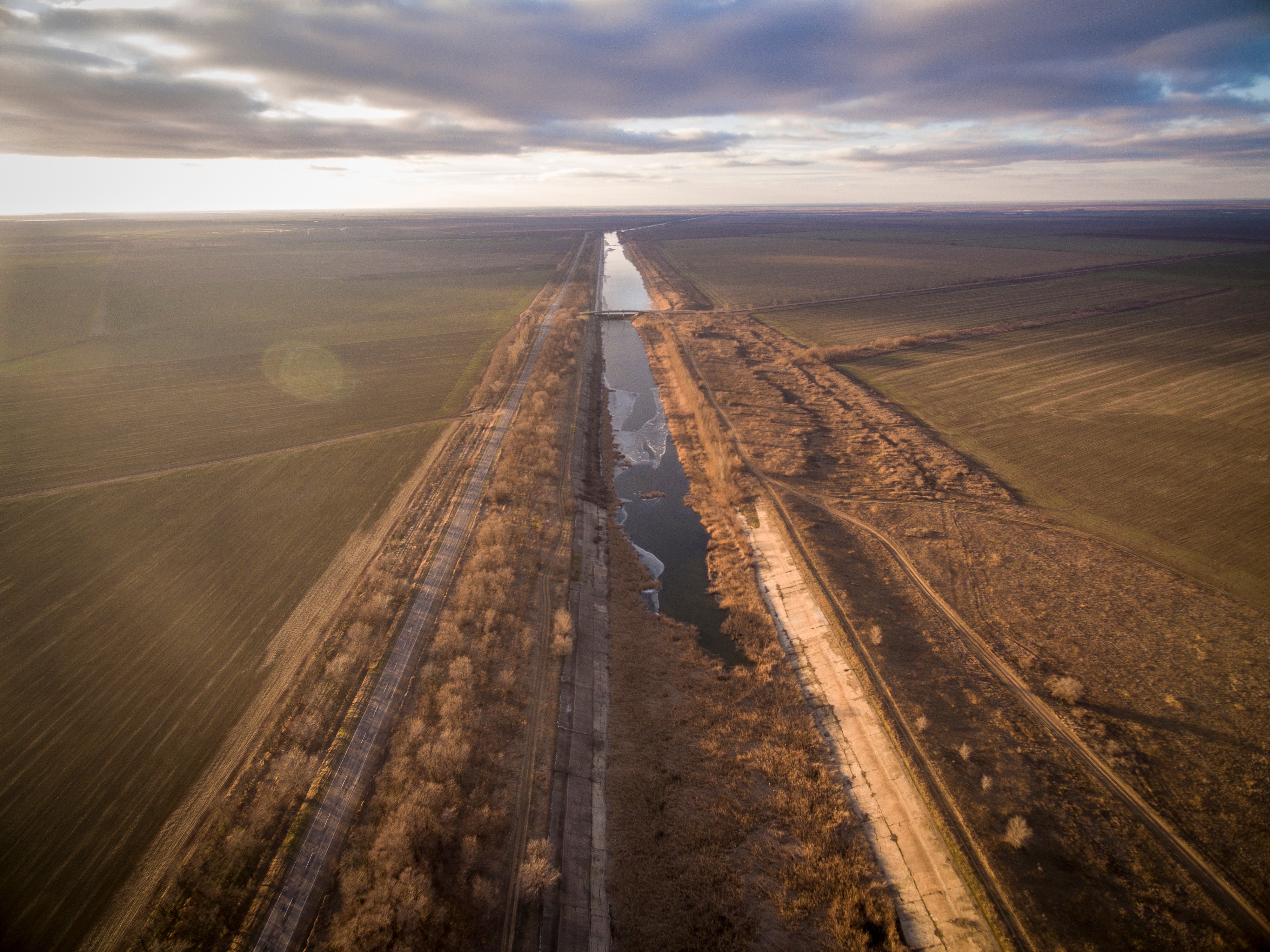
Russia’s occupation policies are depleting Crimea’s water resources and heightening the threat of soil salinization and desertification, despite fuller reservoirs after seasonal precipitation.
This was reported by the Main Intelligence Directorate of Ukraine’s Ministry of Defense (HUR) on its official Telegram channel on November 12. HUR stated that water consumption on the peninsula continues to outpace replenishment, even though rainfall and snowmelt improved reserves earlier this year.
We bring you stories from the ground. Your support keeps our team in the field.
According to HUR, the peninsula’s reservoirs were filled to an average of 45% at the beginning of October 2026. Natural-flow reservoirs held 148.4 million cubic meters, more than double the volume recorded over the same period last year.
The dry season has begun to erase that gain, the report noted. About 138,000 cubic meters of water flow into the reservoirs each day, while roughly 455,000 cubic meters are withdrawn. Consumption therefore runs more than three times faster than replenishment.
Reservoirs that depend on external sources are in a worse position, HUR added. Their stocks fell by about 10% in September, from 35 million to 31.6 million cubic meters. Around 72,000 cubic meters are drawn from them daily, with almost no inflow because feeder sources are low on water.
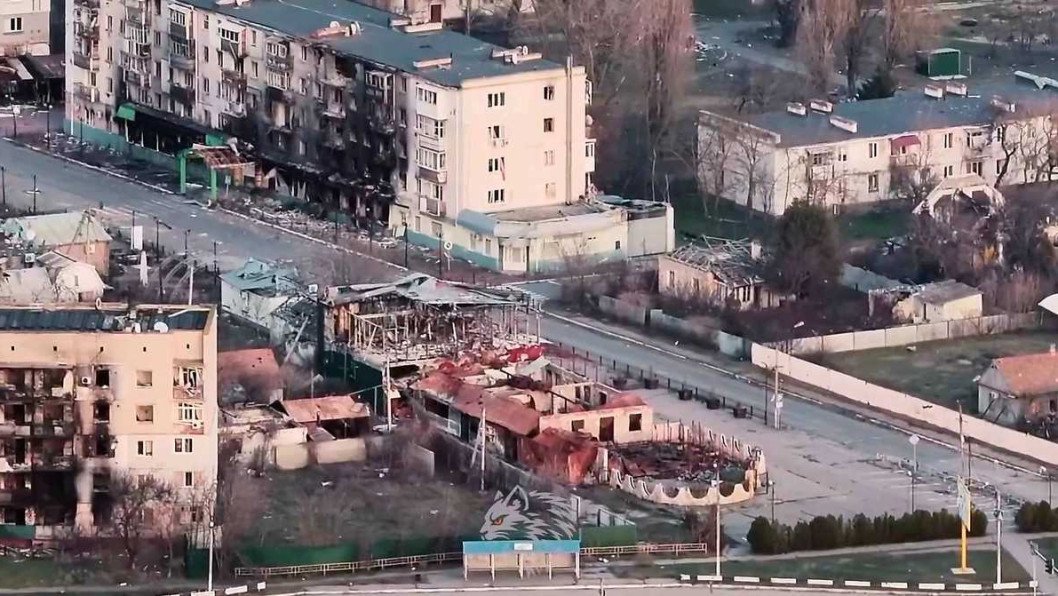
HUR cited the Mizhhirne reservoir as an example, reporting that it is filled to just 0.2% of its design capacity. The directorate described it as effectively no longer a viable source of supply. It also noted that low water levels, silting, and deteriorating quality in the bottom layers limit how much of the remaining stock can be used.
HUR traced the wider crisis to the destruction of the Kakhovka dam by Russian occupation forces in June 2023. The Kakhovka reservoir disappeared, and the North Crimean Canal lost its main water source. Silted intakes, insufficient pressure, and damaged infrastructure have since restricted its operation.
According to the directorate, the canal’s main section and its northern branch to Dzhankoi remain dry. Russian forces use the eastern branch to move water from artesian wells toward Feodosia and Kerch.

HUR described the arrangement as inefficient. The canal was designed to carry large volumes of Dnipro water, and moving smaller volumes of groundwater through it results in the loss of 40–45% of the resource to evaporation and filtration. To offset those losses, HUR stated that the occupation administration is increasing groundwater extraction, which further strains underground sources.
HUR presented the consequences in two tiers. It reported the depletion of aquifers and intensifying salinization as processes already driven by the heavier pumping. It framed the desertification of the Crimean land as a projected outcome, with pumping creating the conditions for it. The statement did not include measurements of aquifer or soil salinity.
The draining of the Kakhovka reservoir has also reshaped the battlefield on the Zaporizhzhia axis. Its dried bed, now covered by newly exposed ground and dense vegetation, has become a zone of covert fighting without a clearly defined front line.
In October, small Russian sabotage groups attempted to cross it to reach Ukrainian rear positions, disrupt logistics, and target combat crews. Fighters of the Bratstvo Battalion, part of the Timur Special Unit, have been conducting counter-sabotage operations to clear the former reservoir zone.
Discuss this article: