- Category
- World
Russia Revives World War II-Era Arctic Shipping Route to Export Grain
 Prefer U24 Media on Google
- Authors


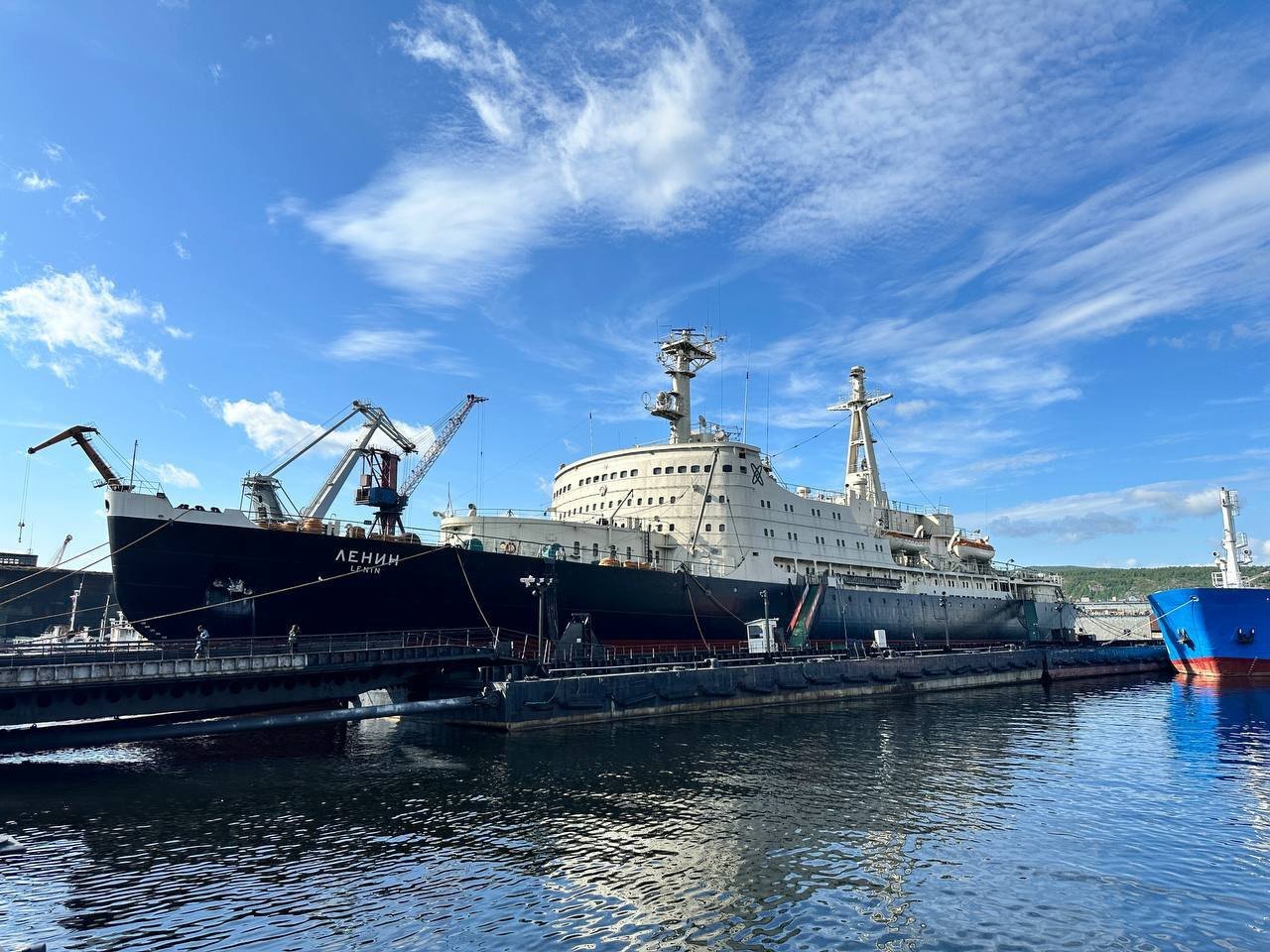
Russia has begun using an Arctic maritime route dating back to World War II to export grain for the first time, Reuters reported on October 28. The move comes as Moscow seeks alternatives to traditional shipping corridors through the Black and Baltic Seas amid growing security risks stemming from its war against Ukraine.
To address these difficulties, Russia has been redirecting grain shipments from its southern agricultural regions to Baltic Sea ports, offering subsidies for rail transportation. At the same time, Moscow has begun exploring the Arctic as an alternative export corridor.
We bring you stories from the ground. Your support keeps our team in the field.
On October 28, the Murmansk Commercial Seaport and Demetra Holding, one of Russia’s largest grain trading companies, announced that the first shipment of 3,400 metric tons of grain, transported from the country’s main agricultural regions, was being loaded onto a vessel at the port.
According to Reuters, the vessel is expected to carry approximately 28,000 metric tons of wheat from Murmansk to Casablanca, Morocco.
Located nearly 2,000 kilometers north of Moscow, near Russia’s border with Norway, Murmansk offers access to international waters. The port also has historical significance, having served as a major entry point for Allied supplies delivered to the Soviet Union during World War II.
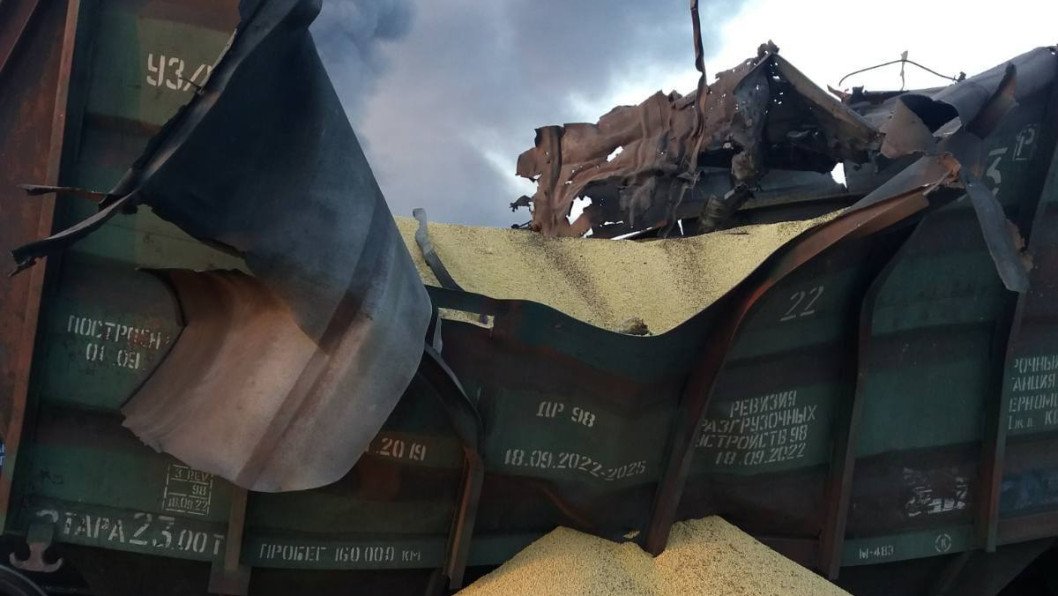
“At a time when traditional export routes are facing restrictions, Murmansk Commercial Seaport is swiftly opening up an alternative route to foreign markets for Russian farmers,” the port said in a statement.
The development comes as Russia increasingly relies on Baltic Sea ports to maintain its grain exports.
According to Reuters, Russia exported approximately 1.2 million metric tons of grain through Baltic ports in September alone, accounting for more than 60% of its total seaborne grain shipments that month.

To accommodate the growing volumes, Russian companies have been converting port terminals previously used to handle fertilizers and coal into facilities capable of processing grain exports.
Russia has permitted grain-carrying vessels to leave the Sea of Azov for the first time since July, temporarily authorizing departures from the commercial ports of Temryuk and Kavkaz.
Citing three sources familiar with the situation, Bloomberg reported that the clearance was issued on October 26, with at least one vessel having already crossed the Kerch Strait into the Black Sea.
Discuss this article: