- Category
- World
Russia Secretly Assembles Shadow Fleet of Gas Tankers as Europe Prepares Complete Ban
 Prefer U24 Media on Google
- Authors

-c439b7bd9030ecf9d5a4287dc361ba31.jpg "Photo of Katherina Popilnichenko")
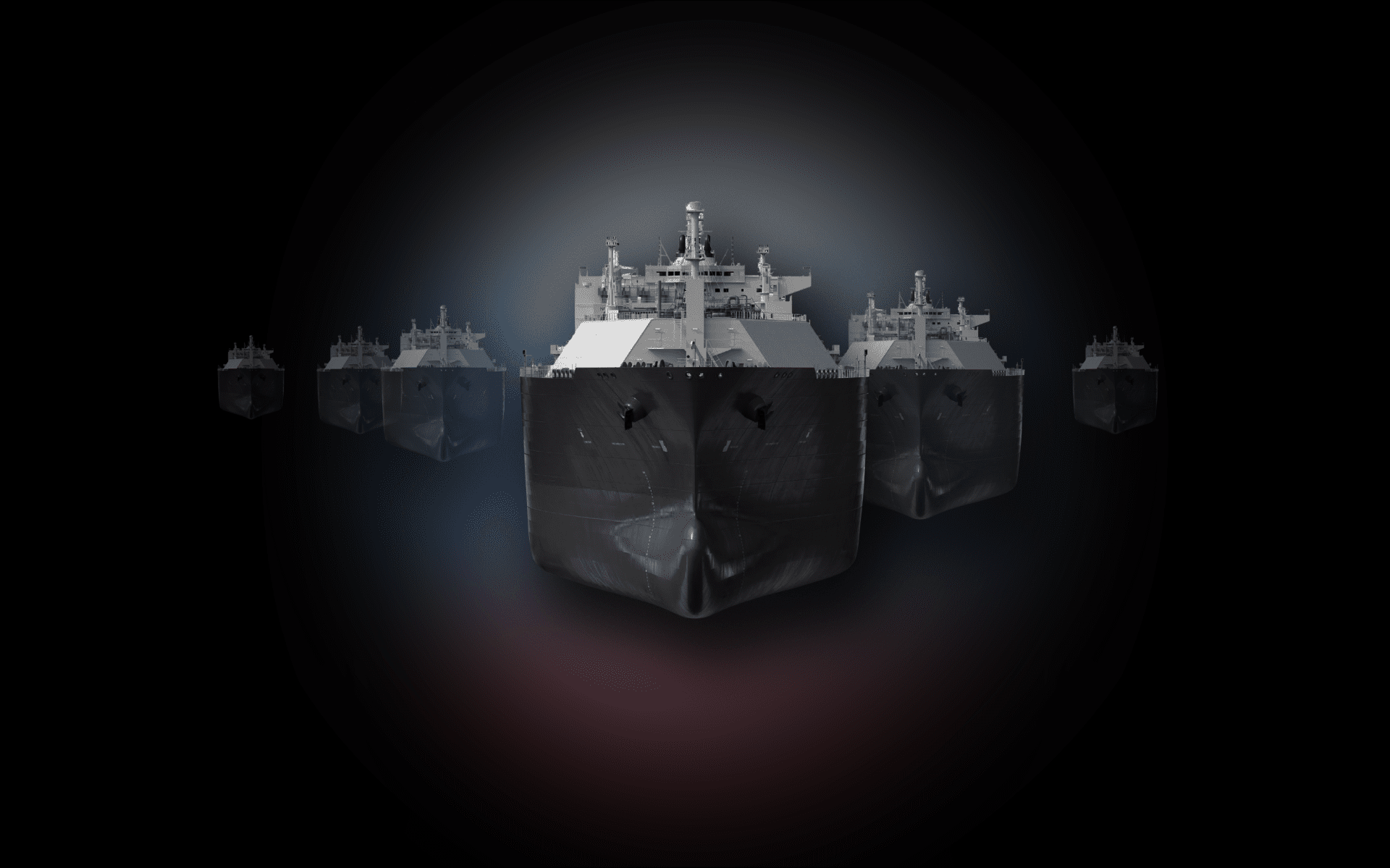
Russia is quietly expanding its shadow fleet of liquefied natural gas carriers to bypass impending European Union restrictions set to take effect in 2027.
Over the past 6 months, at least 8 secondhand LNG tankers were sold and redirected to carry Russian shipments, bringing Moscow’s specialized gas fleet to a total of 25 vessels, including 2 newly constructed carriers built at Russia’s Zvezda shipyard, according to Financial Times on August 4.
We bring you stories from the ground. Your support keeps our team in the field.
The push to acquire specialized tankers follows the model Moscow established with its shadow oil fleet, which now exceeds 1,000 vessels operating outside Western insurance and regulatory frameworks.
While EU nations purchased nearly all output from the Siberian Yamal facility in the first half of the year, a total ban on European imports of Russian LNG will take effect in 2027 to limit fossil fuel revenues that fund Russia's full-scale invasion of Ukraine.
Four of the newly acquired gas carriers—named Kosmos, Orion, Merkuryy, and Luch—fly the Russian flag and have been moving cargoes from transshipment hubs handling sanctioned gas.
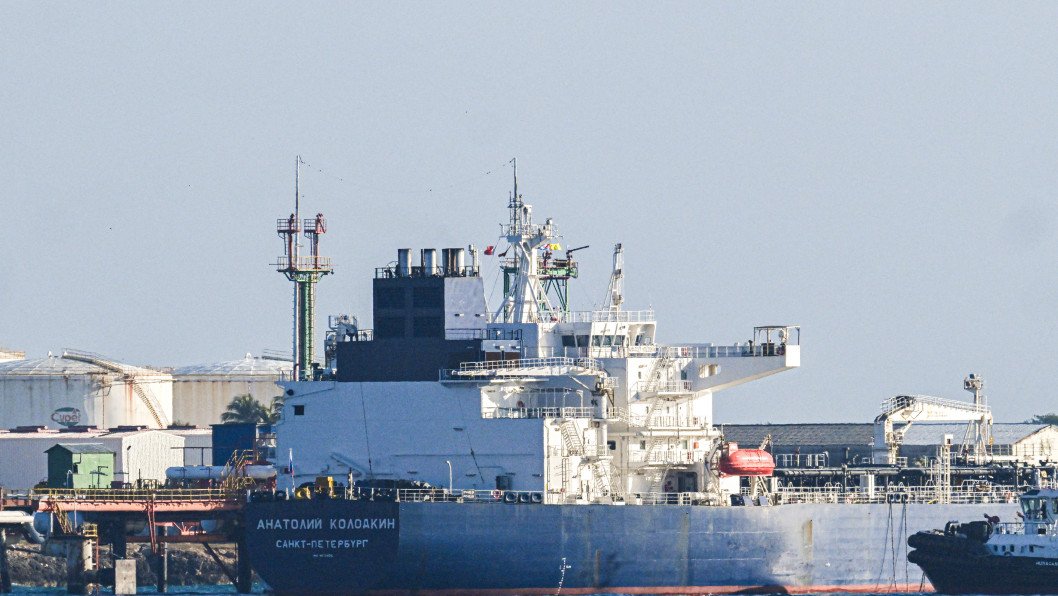
Meanwhile, domestic shipbuilder Zvezda delivered its first tanker, the Aleksey Kosygin, which has transported gas from the sanctioned Arctic LNG 2 project since December, while a second vessel, the Konstantin Posyet, was named earlier this month.
Private producer Novatek leads the sector, with its Yamal plant and the sanctioned Arctic LNG 2 project generating more than 65% of Russia’s total LNG output, alongside Gazprom’s Sakhalin-2 project, which accounts for about 30%.
Non-sanctioned projects have relied on international carriers from companies like Dynagas, Mitsui OSK, and Seapeak, but tightening Western restrictions have forced Moscow to seek alternative transport options.
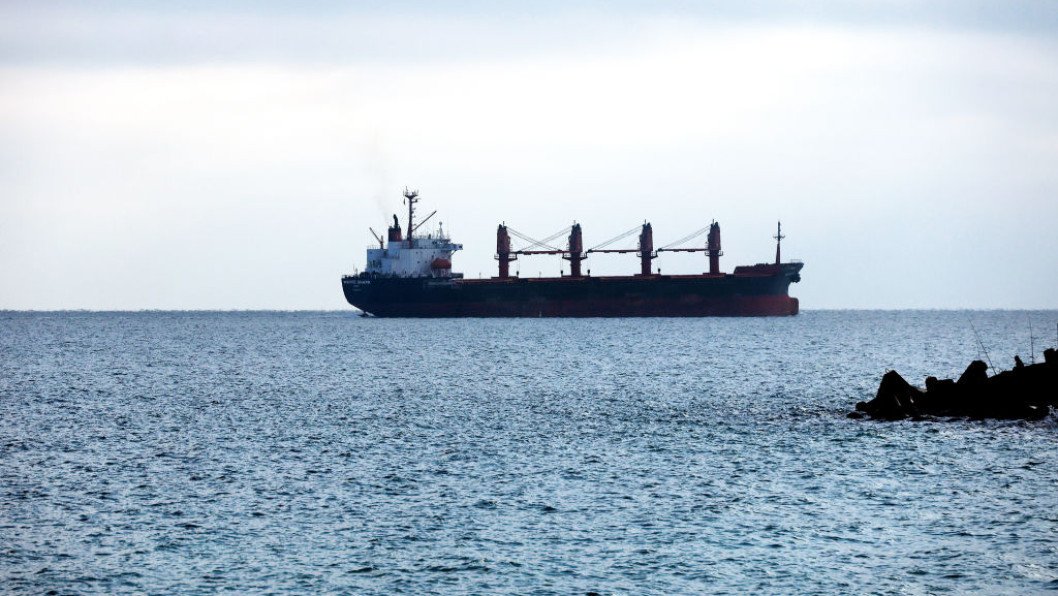
These specialized LNG carriers cost around $300 million each and feature complex containment systems designed to maintain gas in liquid form at minus 162 degrees Celsius.
The shadow gas carriers are primarily registered through shell entities in Dubai, Hong Kong, and Singapore under flags of convenience, using tactics such as signal jamming and ship-to-ship transfers to conceal cargo origins.
Navigating Arctic routes requires ice-class vessels, creating further operational hurdles. Currently, China serves as the sole customer for gas from Arctic LNG 2, where shipments rely on 11 vessels averaging 10 years of age.
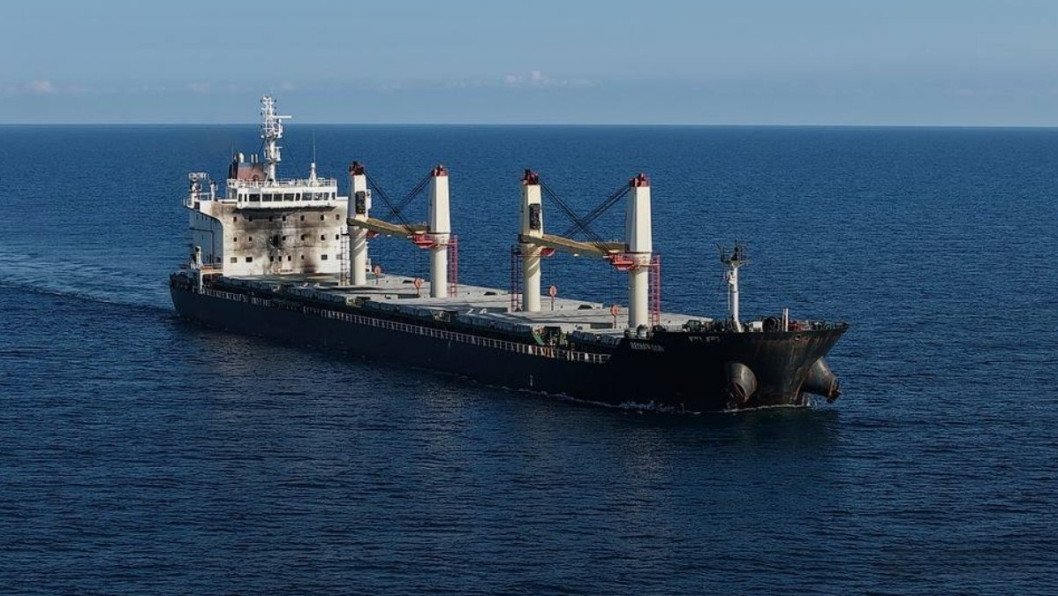
Four additional ships are under construction at Zvezda, while delivery of 6 completed vessels remains blocked at South Korea’s Hanwha shipyard due to sanctions.
Technical barriers also remain high after French manufacturer GTT suspended its contracts with Russia in January 2023, leaving Moscow unable to easily source essential containment technologies.
On January 26, the European Union agreed to phase out Russian liquefied natural gas (LNG), scheduling short-term contracts for a ban starting April 25, 2026, and long-term contracts from January 1, 2027.
EU companies that violated these sanctions risked facing fines of up to 3.5% of their total annual global turnover.
Discuss this article:




-111f0e5095e02c02446ffed57bfb0ab1.jpeg "Photo of Roman Kohanets")