- Category
- World
Russia Spends Over $60 Million Building Centers Used for Pro-Kremlin Propaganda
 Prefer U24 Media on Google
- Authors


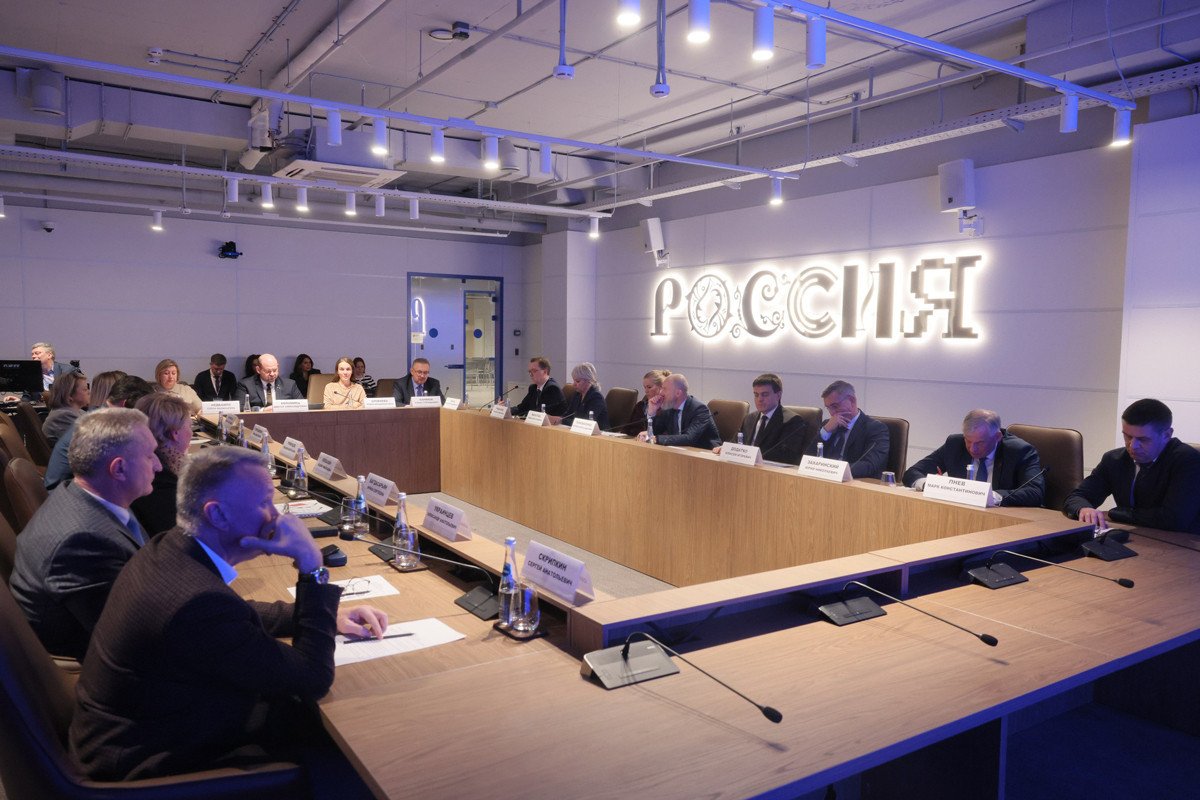
Russian authorities have spent at least 5.4 billion rubles (around $62 million) on constructing and opening four regional branches of the National Center “Russia,” a network established on the orders of Russian leader Vladimir Putin, according to an analysis by independent outlet 7×7 published on August 31.
The outlet calculated the spending using publicly available data. Around 1 billion rubles (about $11.5 million) was allocated to the center in Vladivostok, approximately 1.3 billion rubles (nearly $15 million) in Ryazan, at least 1.5 billion rubles (approximately $17 million) in Krasnoyarsk, and 1.6 billion rubles (roughly $18 million) in Khanty-Mansiysk.
We bring you stories from the ground. Your support keeps our team in the field.
According to 7×7, comparable sums could have been used to build two or three large schools or outpatient clinics.
Putin ordered the creation of regional branches of the National Center “Russia” in 2023. The centers are officially intended to showcase the country’s achievements, strengthen national identity, foster pride in Russia, and develop professional skills among children and young people.
In practice, however, the venues have also been used for official addresses, government meetings, forums, and other events. Existing centers have hosted pro-Kremlin lecturers from Russia’s Znanie Society, meetings with participants in Russia’s war against Ukraine, and events promoting so-called “traditional values.”
The network is set to expand further. By 2031, similar centers are expected to open in nine additional Russian regions: Kabardino-Balkaria, Karelia, Yakutia, Khabarovsk region, and the Kaliningrad, Kirov, Leningrad, Nizhny Novgorod, and Yaroslavl regions. The center’s organizing committee is headed by Sergei Kiriyenko, first deputy chief of staff of the Russian Presidential Administration.
At the same time, the construction of the propaganda centers has sparked disputes with local residents.
In Vladivostok, authorities transferred the building of a 35-year-old municipal aquarium for use by the center. Its closure resulted in staff layoffs, while 458.5 million rubles (about $5.3 million) was allocated from the regional budget to renovate the building.
In Krasnoyarsk, authorities purchased part of the Gallery Yenisei exhibition complex for 900 million rubles (around $10 million). Local residents questioned the spending priorities, pointing to persistent environmental problems in the city, including recurring smog.
The Ryazan project also faced controversy after authorities allocated a section of an urban forest park for construction. Trees were cut down during preparation of the site, prompting local activists to ask prosecutors to investigate whether the work was legal.
In Kaliningrad, meanwhile, authorities decided to build the regional center on the site of the demolished House of Soviets, a Soviet modernist building. The decision replaced earlier plans to create a public park at the site.
The expansion of the centers comes amid broader efforts by Russian authorities to promote Kremlin narratives through cultural and media projects.
Russia recently produced a new propaganda film, Witnesses, which Ukrainian Human Rights Commissioner Dmytro Lubinets said attempts to misrepresent the circumstances surrounding the destruction of the Mariupol Drama Theater in March 2022.
Discuss this article:



-72b63a4e0c8c475ad81fe3eed3f63729.jpeg "Photo of Cyril Barabaltchouk")