- Category
- World
Russia Tried to Hide Defective Reactor Foundations at Egypt’s First Nuclear Power Plant
 Prefer U24 Media on Google
- Authors


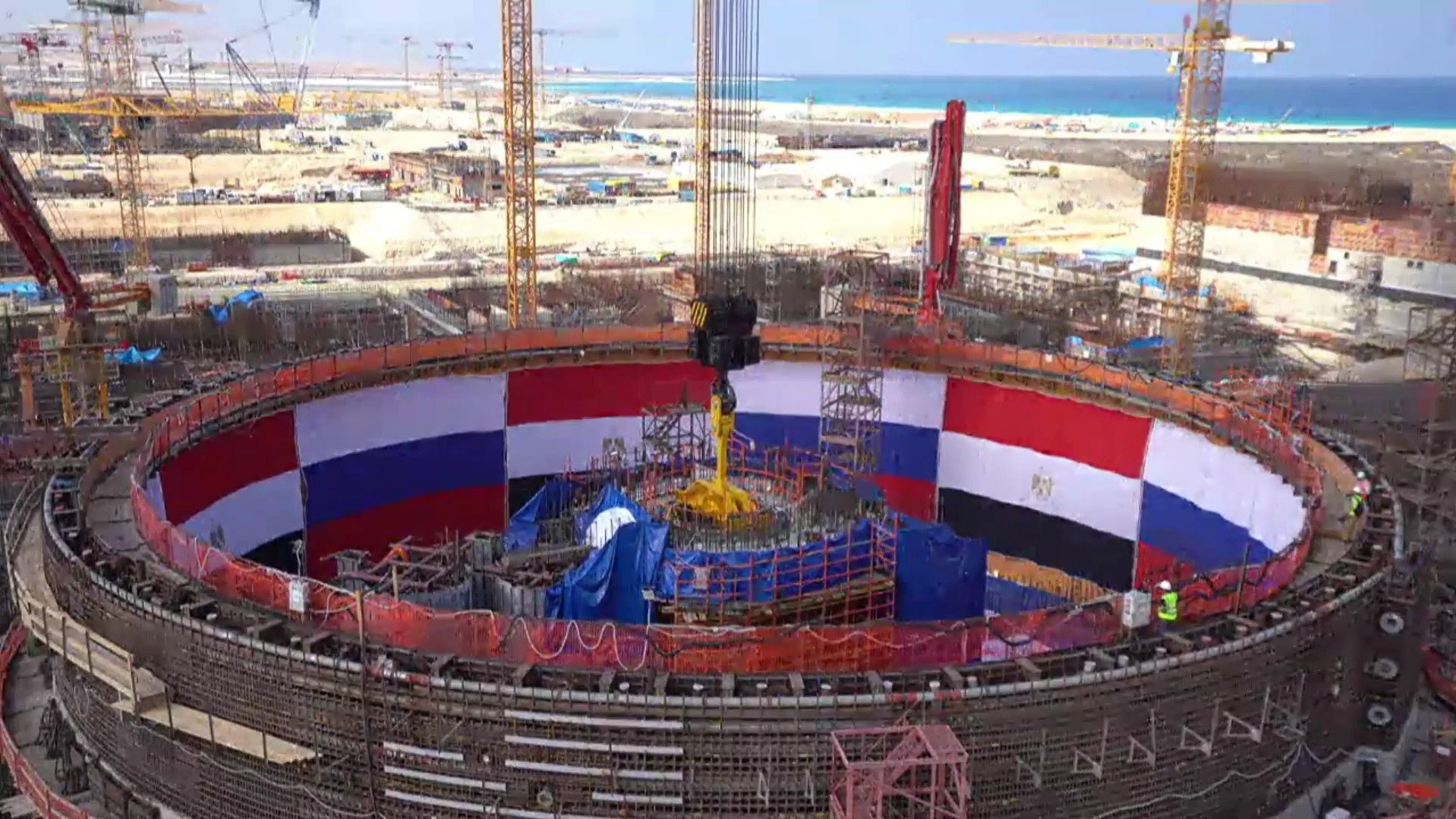
Russia’s state-owned nuclear corporation Rosatom allegedly attempted to conceal serious defects in the concrete foundations of three reactors at Egypt’s first nuclear power plant, with repairs taking nearly a year and Egyptian authorities demanding the removal of the Russian official overseeing the project.
We bring you stories from the ground. Your support keeps our team in the field.
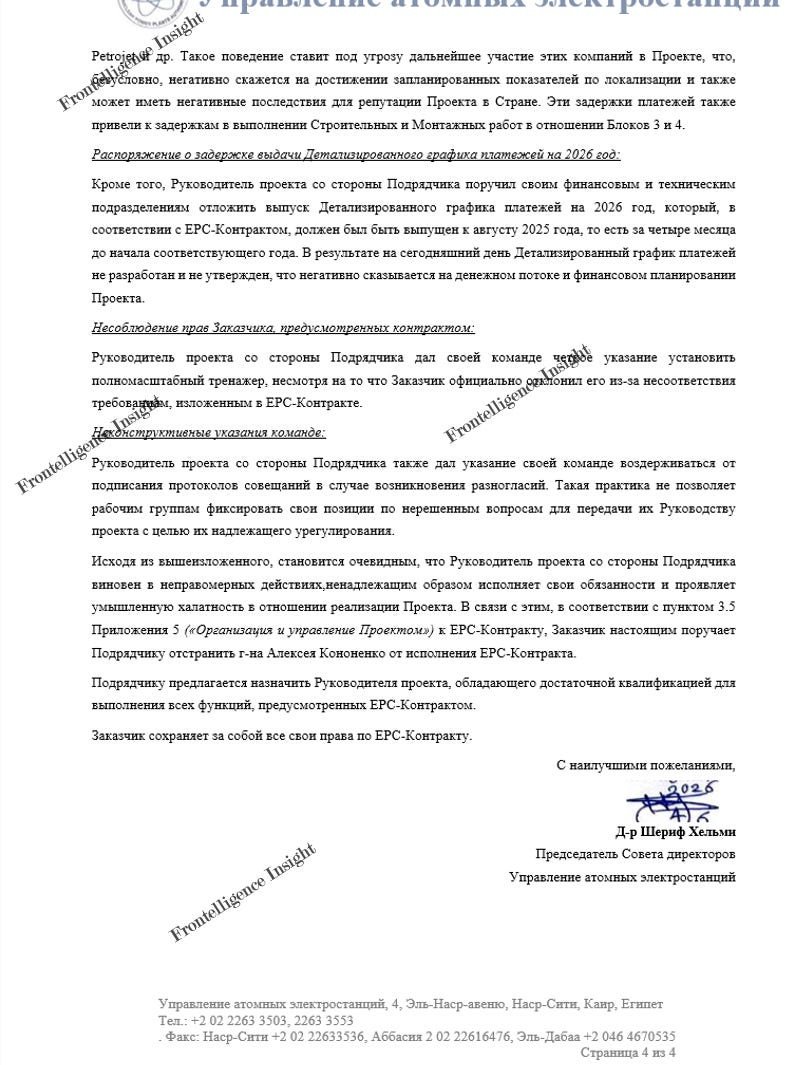
According to an investigation published by Frontelligence Insight on November 11, leaked documents reveal that Egypt’s Nuclear Power Plants Authority (NPPA) formally requested the dismissal of Alexey Kononenko, the Russian director of the El Dabaa Nuclear Power Plant project, on June 4, 2026.
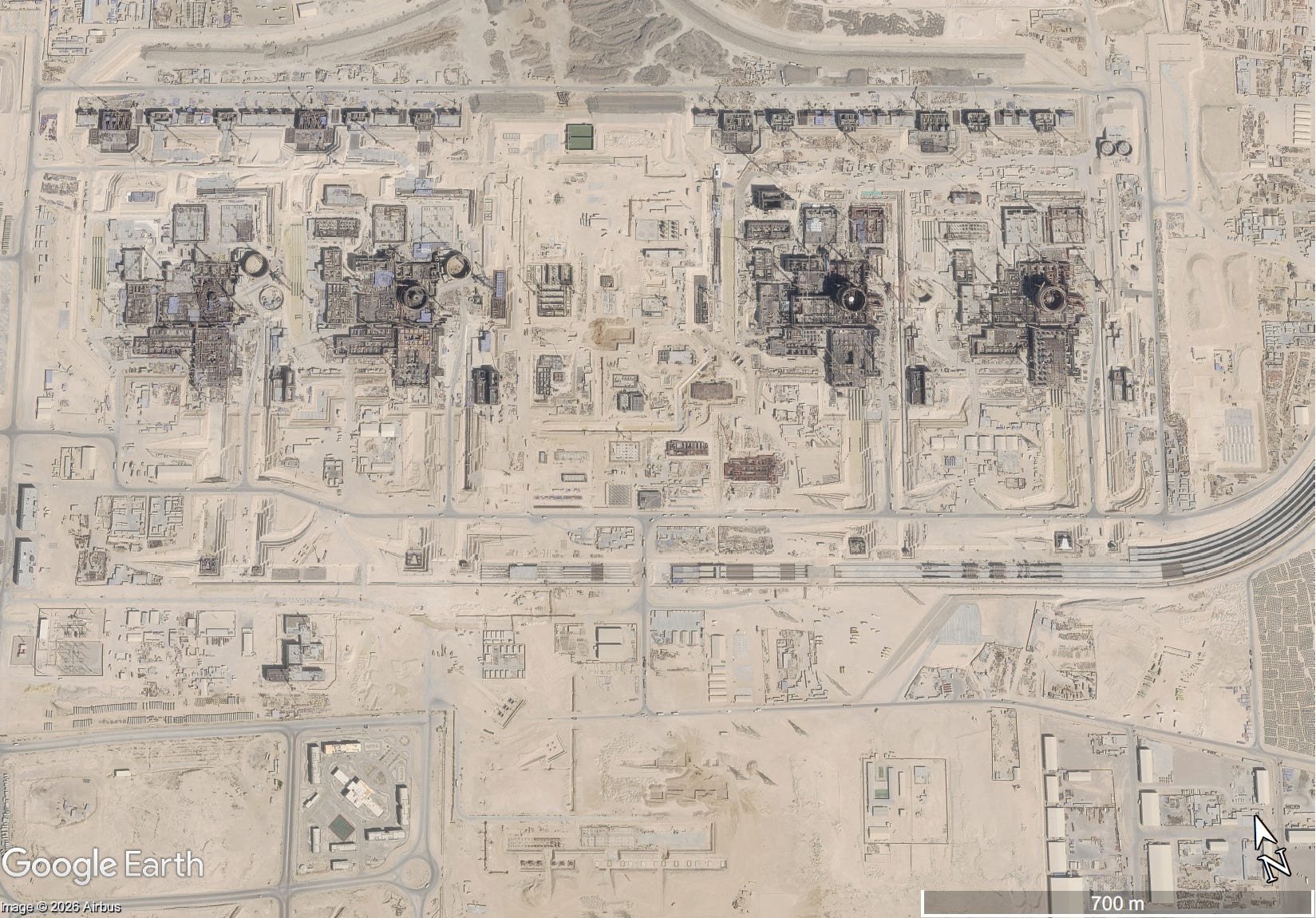
The Egyptian authorities accused Kononenko of mismanagement, misleading construction reports, and failing to address critical problems at the facility.
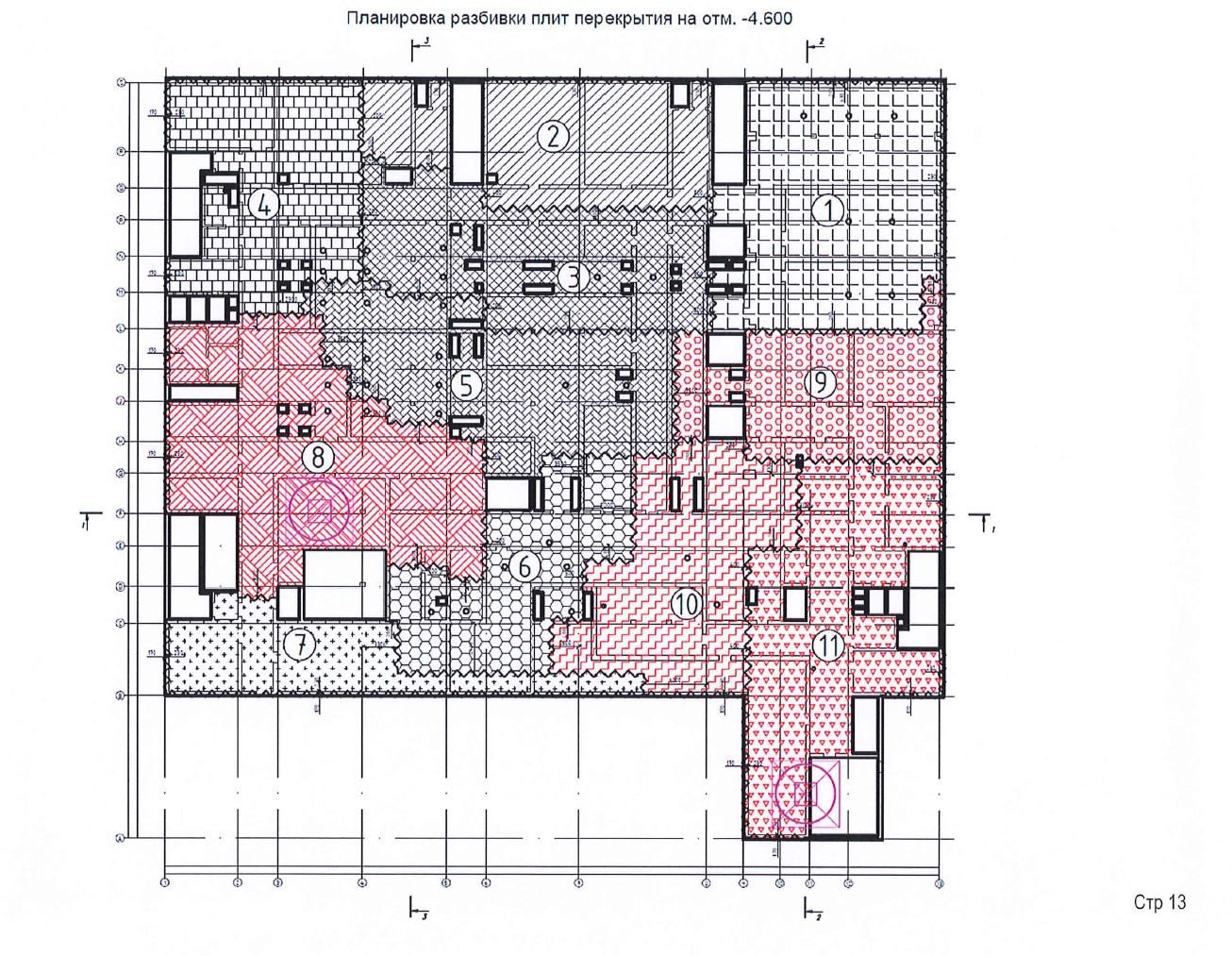
Among the most significant findings were serious concrete defects in the foundation slabs of the first three reactor units, which reportedly required approximately a year of repairs. Similar problems were identified at Unit 4, including voids behind steel lining and structural defects in the reactor building.
According to Frontelligence Insight, Egyptian officials attributed the recurring construction failures to inadequate quality control by Rosatom’s subsidiary Atomstroyexport. The investigation also uncovered substantial discrepancies between reported construction progress and actual conditions at the site.
While Russian management reportedly claimed that Units 3 and 4 were more than 50% complete, Egyptian inspections indicated that the main reactor buildings remained in the underground construction phase.
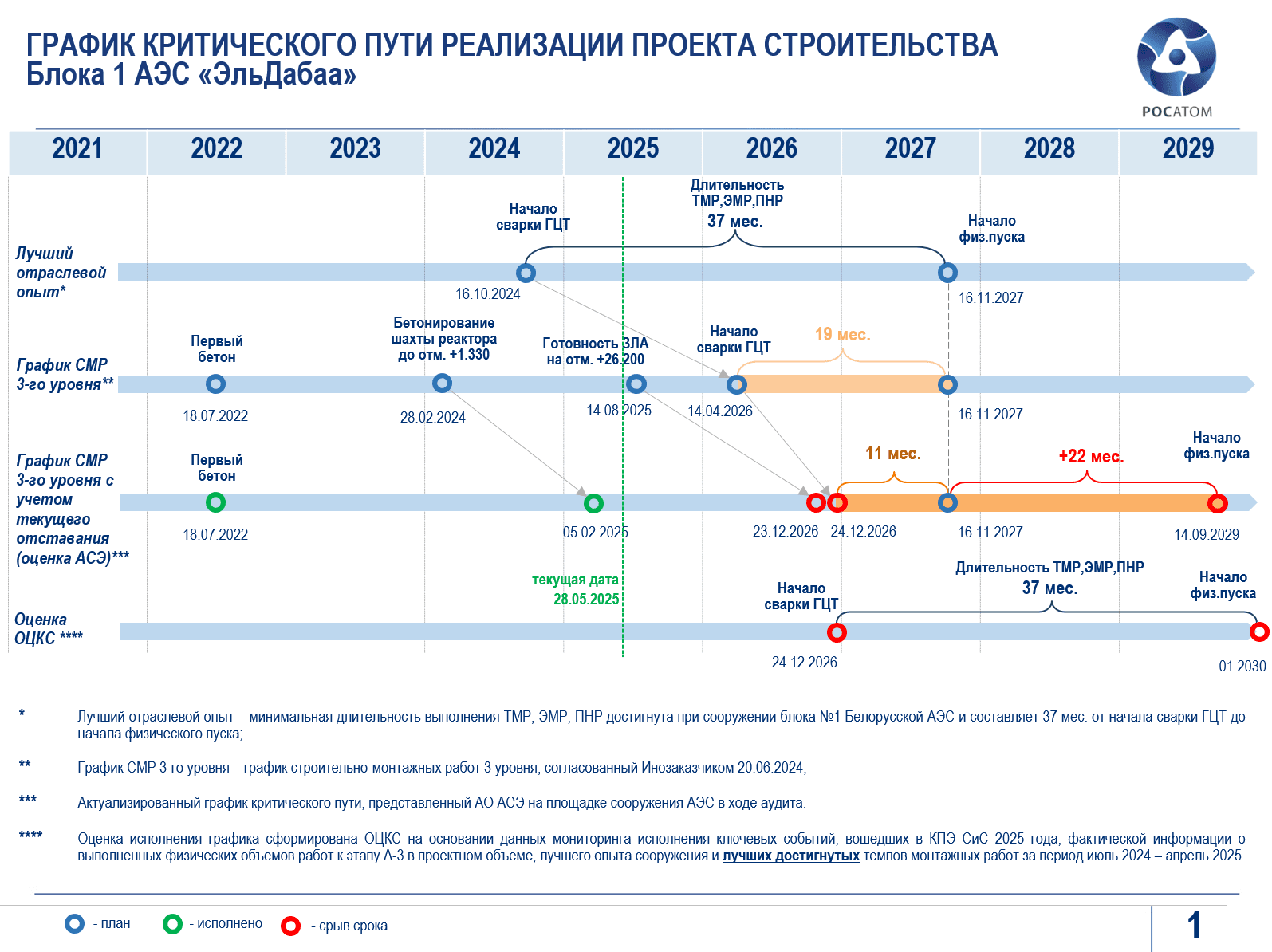
Rosatom allegedly reported schedule deviations of just 0.86%, compared with 11.75% calculated by Egyptian authorities.
Financial problems have also affected the project. According to the leaked documents, Rosatom withheld payments from Egyptian subcontractors, including Hassan Allam and Petrojet, while the construction workforce stood at approximately 22,500 employees instead of the planned 33,450.
Internal Rosatom documents from 2025 reportedly projected the startup of the first reactor in 2029, with preliminary acceptance of the first two units scheduled for March 2030.
The investigation also detailed allegations that Kononenko ordered a worker suffering from a severe open fracture to be transported off-site in a private vehicle rather than an available ambulance, allegedly to prevent the incident from being officially recorded.
The El Dabaa project was launched under a 2015 agreement between Russia and Egypt to construct the country’s first nuclear power plant on its Mediterranean coast.
At the time, Rosatom indicated that the facility could be completed by 2022. However, the project only entered its main construction phase that year, and subsequent schedules have pushed completion further into the future.
Earlier reports also raised concerns about unauthorized access to the construction site, workers consuming alcohol, and the sharing of restricted site footage on social media.
Discuss this article: