- Category
- World
Leaked Emails Expose Rosatom’s Hidden Delays and Corruption at Hungary Nuclear Plant
 Prefer U24 Media on Google
- Authors

-72b63a4e0c8c475ad81fe3eed3f63729.jpeg "Photo of Cyril Barabaltchouk")
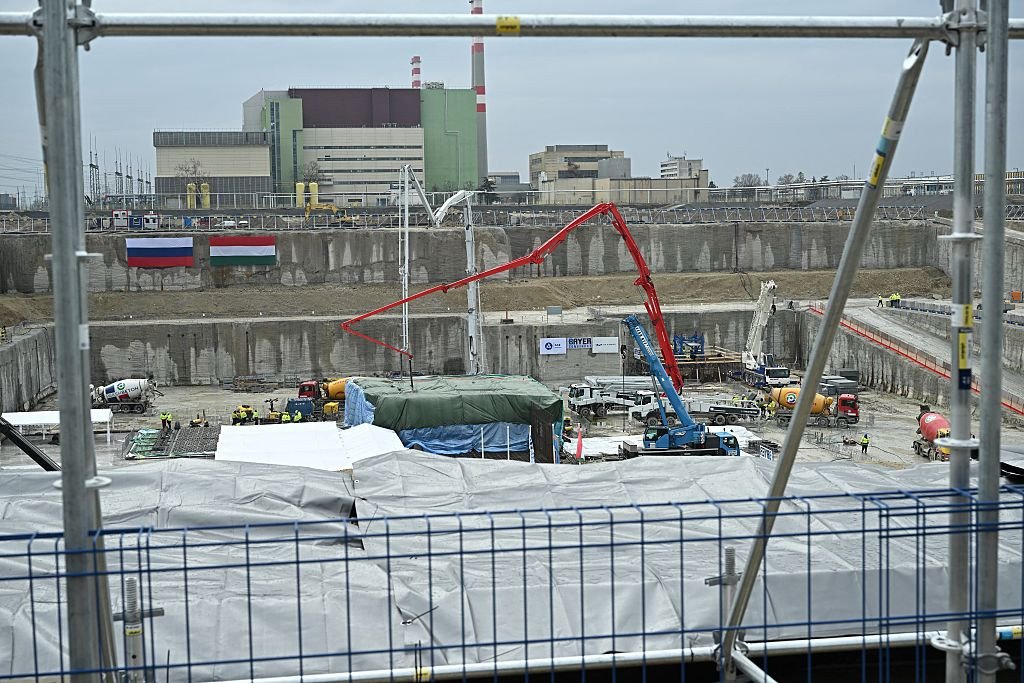
Russia’s state nuclear corporation Rosatom privately prepared to terminate contracts with a major subcontractor at Hungary’s Paks II nuclear power plant while publicly maintaining that work was proceeding as planned, Politico reported on October 5.
Internal Rosatom documents reviewed by Politico show the company had made about $66 million in advance payments to Moscow-based Orgenergostroy for work that had not yet been completed. The documents also recorded roughly $12 million in unpaid debts owed by Orgenergostroy to Hungarian subcontractors.
We bring you stories from the ground. Your support keeps our team in the field.
Orgenergostroy was at the time caught up in a corruption scandal in Russia involving an official accused of bribing a Rosatom executive who was later convicted and sentenced to 12 years in prison.
After Orgenergostroy began laying off workers at the Paks II construction site in late 2024, Rosatom publicly maintained that the contractor would continue working without disruption, Politico noted.
Behind closed doors, however, Rosatom was preparing for the opposite.
“Following the review, Rosatom [CEO] Alexei Likhachev approved the start of preparations to terminate contracts between Rosatom entities and [Orgenergostroy] and issued corresponding directives,” minutes from a December 2025 Rosatom meeting stated.
“An analysis was carried out of the risks associated with various scenarios for the future relationship with OES on each project,” the document continued.
Politico reported that replacing Orgenergostroy with local contractors was expected to delay construction by three to four months and increase the cost of its remaining work by nearly 20%.
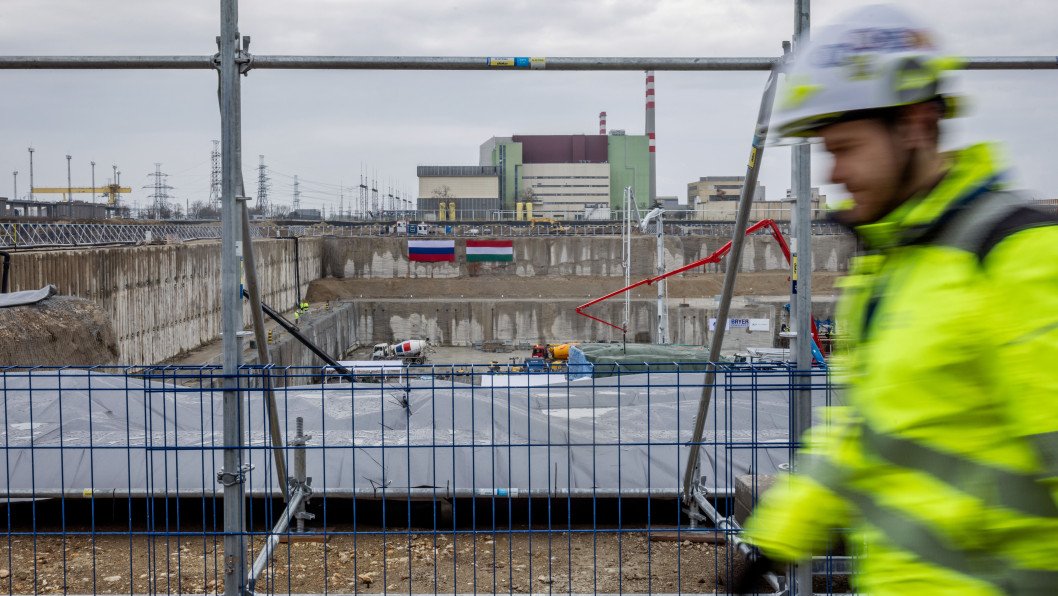
Rosatom told Politico that the documents were “outdated” and stated that the problems involving Orgenergostroy had “been resolved, and work on the Paks II nuclear power plant project is proceeding as planned.”
The company did not answer whether Orgenergostroy had completed the work covered by the advance payments, repaid Hungarian subcontractors, or why Rosatom had considered terminating its contracts with the company.
The documents emerge as Hungary’s government reviews the Paks II project, which is being built by Rosatom and has faced repeated delays and scrutiny over its links to Russia.
Politico also obtained an email in which a Rosatom manager openly criticized claims by the Russian leader, Vladimir Putin, that Russia was meeting all of its commitments on overseas nuclear construction.
“Putin stated — and emphasized several times — that ‘Russia is 100% fulfilling ALL contractual obligations regarding the construction of nuclear power plants abroad’????” the manager wrote. “Yet they blew it with Turkey, Egypt, and Bangladesh… Deadlines have slipped everywhere.”
-a92e85ea31783e398e10079a54e9d5f6.jpg)
The manager then directly blamed Putin for problems inside the company.
“This just goes to show once again that he’s a BULLSHITTER,” the manager wrote. “And the worst part […] is that the entire chain of command below him is doing the exact same thing, believe me… We can really feel it here.”
Hungary had previously launched a review of the Rosatom-led Paks II project, examining its financing and technical design after years of delays. Prime Minister Péter Magyar noted that the plant had originally been expected to operate by 2024, while construction had advanced far more slowly than planned.
Discuss this article:


-c439b7bd9030ecf9d5a4287dc361ba31.jpg "Photo of Katherina Popilnichenko")