- Category
- World
Orbán Could Face Charges Over Seizure of Ukraine’s €70 Million Cash and Gold Shipment
 Prefer U24 Media on Google
- Authors


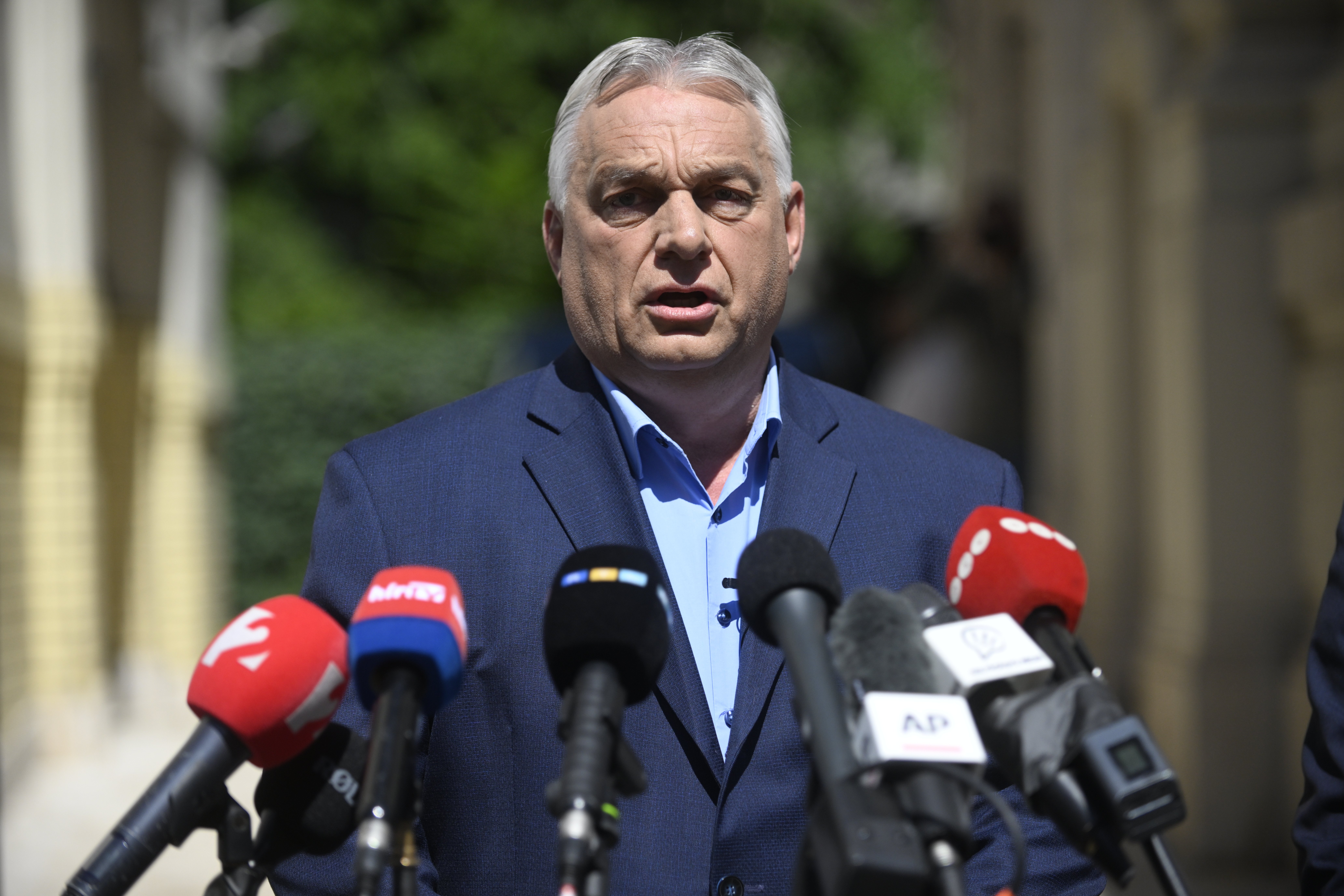
Hungarian authorities are investigating whether former Prime Minister Viktor Orbán personally ordered the seizure of a vehicle carrying €70 million in cash and gold belonging to Ukraine’s state-owned Oschadbank, a case that could potentially lead to formal charges against him, Financial Times reported on October 2.
The investigation comes after Hungary’s new government secured a constitutional majority in April’s elections and launched a campaign dubbed “Operation Cleansing Fire,” aimed at dismantling the political and corruption system it says developed during Orbán’s 16 years in power.
We bring you stories from the ground. Your support keeps our team in the field.
The case centers on a March operation in which Hungary’s counter-terrorism unit seized a vehicle transporting cash and gold worth approximately €70 million. The shipment was part of a regular transfer from Vienna carried out by cash couriers working for Oschadbank.
At the time, Orbán accused Kyiv of secretly financing the Hungarian opposition. The Ukrainian couriers were detained and reportedly kept handcuffed and blindfolded for several hours, including during questioning, before being released the following day. The seized funds were subsequently returned to Ukraine.
Investigators are now examining suspicions that Orbán personally ordered the vehicle to be seized in an attempt to use the incident for his own interests.
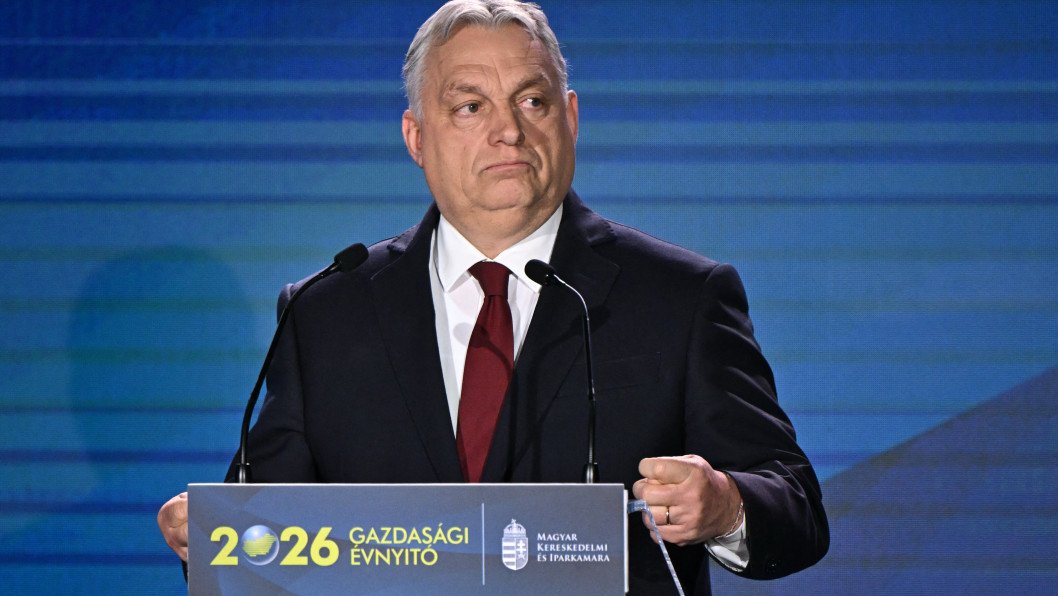
Lóránt Horváth, a lawyer representing the Ukrainian nationals, said the investigation was approaching completion and could become the first case to result in formal charges against Orbán. He noted that other corruption investigations involving the former prime minister remain at considerably earlier stages, according to the Financial Times.
Horváth also represents former prosecutor Pál Fürcht, who was assigned in March to handle the case against the Ukrainians. Fürcht alleged that Orbán personally instructed the security services to detain the Ukrainian cash couriers. According to Fürcht, he informed his superiors of this in the spring but was reprimanded and later became the subject of an internal investigation.
His account is supported by a June prosecution report reviewed by the Financial Times. The document cited János Hajdú, head of Hungary’s Counter Terrorism Centre (TEK), as indicating that those involved understood the arrests had been ordered by an individual who could not be implicated in the case. According to the report, the person in question was Orbán.
Hajdú now faces charges related to the alleged unlawful detention and mistreatment of Oschadbank employees.
Orbán also visited TEK on the day of the arrests, where he spoke about an increased terrorist threat. Official photographs from the visit showed him alongside some of the officials who later participated in the operation against the Ukrainian couriers.
Hungary’s tax authority opened a case against the Ukrainians while Orbán was still in office, but the investigation was subsequently closed due to a lack of evidence. Horváth said the absence of evidence against the couriers meant prosecutors should now focus on determining who ultimately ordered the operation, pointing to Orbán as the person investigators should scrutinize.
-2b209d1fdc36e6bcac32066431ca8d9a.jpg)
The case is unfolding amid a broader series of investigations involving former members of Orbán’s government and associates. In recent weeks, authorities arrested two former ministers and members of his Fidesz party after parliament stripped them of parliamentary immunity. Several business figures close to the former prime minister have also been detained.
Former central bank governor and economy minister György Matolcsy, whom Orbán had described as his right-hand man, has been questioned in an investigation into alleged abuse of office. Matolcsy’s son is separately under investigation in connection with alleged corruption at the central bank.
According to the Financial Times, Eurasia Group analyst Orsolya Ráczová said the accumulation of corruption scandals and investigations had reached a point where scrutiny of Orbán’s personal responsibility was becoming increasingly difficult to avoid.
The investigation follows heightened tensions with Brussels over Hungary’s detention of the Ukrainian couriers, who were transporting funds from Austria’s Raiffeisen Bank to Ukraine. The incident also prompted banking lobbyists to call for Orbán’s government to be barred from cooperating with key EU financial institutions.
Discuss this article:
-4a56a6b482ec132402c16ef6fcabf9a2.png)


-421e8a9c474cc6ae67d60a56d7572c56.jpg "Russian ruble coins and one hundred dollars are seen on a table. (Source: Getty Images)")
-72b63a4e0c8c475ad81fe3eed3f63729.jpeg "Photo of Cyril Barabaltchouk")
-c439b7bd9030ecf9d5a4287dc361ba31.jpg "Photo of Katherina Popilnichenko")
-111f0e5095e02c02446ffed57bfb0ab1.jpeg "Photo of Roman Kohanets")