- Category
- World
Russian Aviation Faces New International Route Cuts Amid Sanctions and Drone Threats
 Prefer U24 Media on Google
- Authors


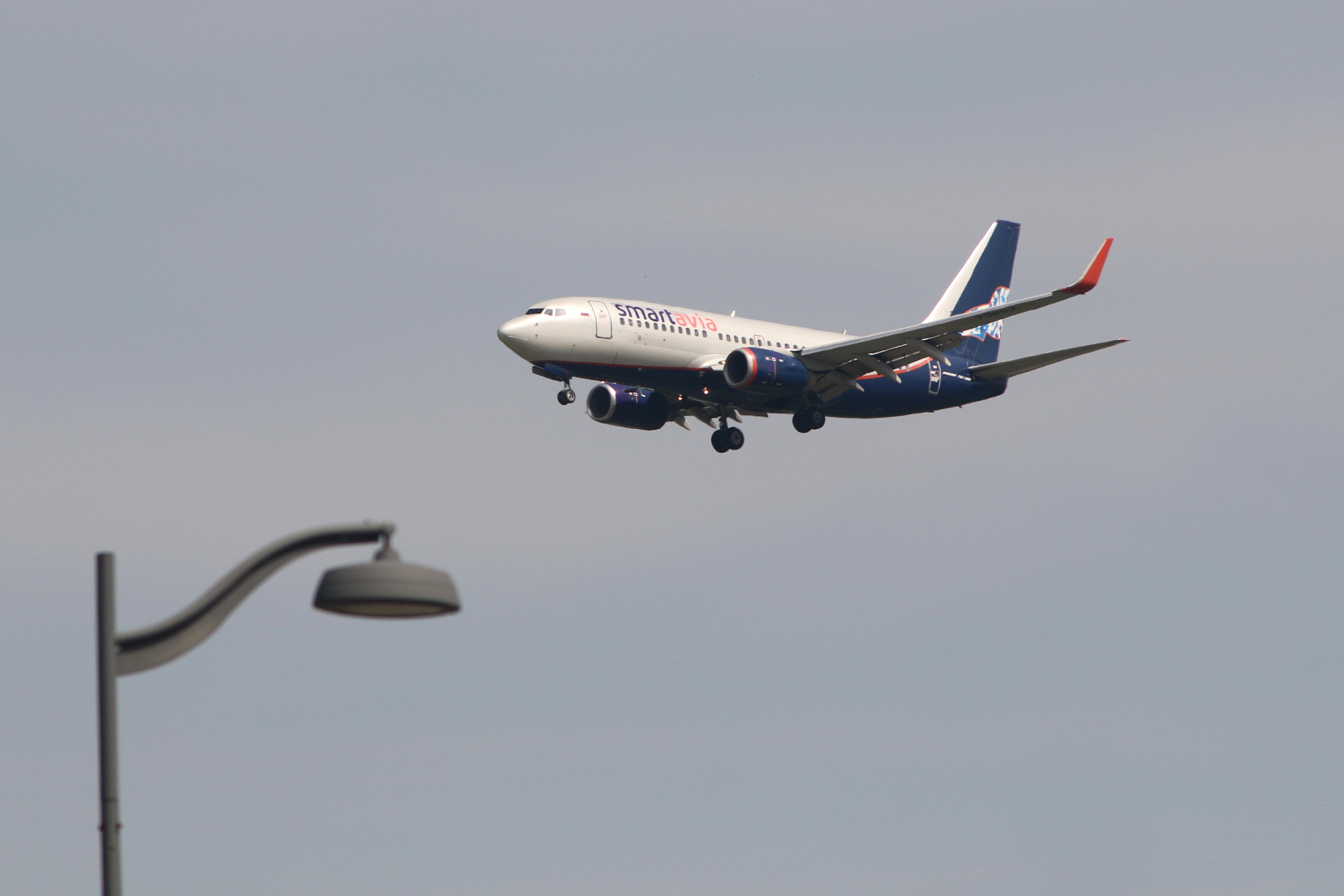
Russia’s direct international flight network is expected to shrink significantly during the summer 2026 season amid ongoing sanctions, drone attacks, fuel shortages, and instability in the Middle East.
This was reported by The Moscow Times on May 18, citing the Russian Association of Tour Operators (ATOR).
We bring you stories from the ground. Your support keeps our team in the field.
ATOR estimates that Russians will have access to nonstop flights to a maximum of 32 countries this summer—roughly 25% fewer than the 43 destinations available during the winter season. The figure is also reportedly three times lower than the number of countries accessible by direct flights from the Soviet Union during the Cold War era.
Several destinations have already disappeared from flight schedules in recent months. Direct flights to Algeria were removed in April, while routes to the Seychelles were suspended starting May 13. Russia will also lack direct air connections to Cuba and Venezuela during the summer season, amid a fuel crisis in Cuba linked to the ongoing US embargo.
The ongoing conflict in the Middle East has further affected Russian aviation, cutting off direct flights to Kuwait, Bahrain, and Saudi Arabia. According to ATOR, the final number of available nonstop destinations for summer 2026 will depend on whether flights to Saudi Arabia are restored, The Moscow Times reported.
If those routes resume, Russians could retain direct access to countries and territories including Abkhazia, Azerbaijan, Armenia, Afghanistan, Belarus, Vietnam, Hong Kong, Georgia, Egypt, Israel, India, Indonesia, Jordan, Iran, Kazakhstan, Qatar, China, North Korea, Kyrgyzstan, the Maldives, Morocco, Mongolia, the United Arab Emirates, Oman, Serbia, Tajikistan, Thailand, Turkmenistan, Turkey, Uzbekistan, and Ethiopia.
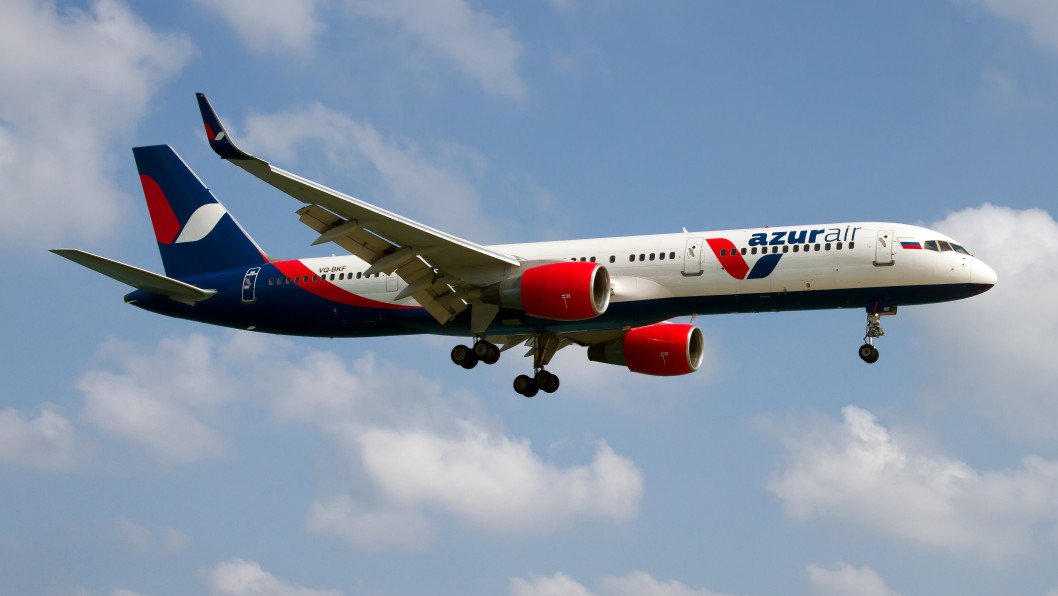
However, industry analysts note that many of these destinations are effectively inaccessible for mass tourism. Since March 2026, Russian authorities have prohibited the sale of package tours to Israel, Iran, Qatar, the UAE, Oman, and Saudi Arabia. Meanwhile, destinations such as Afghanistan and Iraq reportedly attract little interest among Russian travelers.
As a result, ATOR estimates that no more than around 15 countries will remain realistically available for organized mass tourism via direct flights.
Following the outbreak of the war against Ukraine, the European Union, the United Kingdom, the United States, and several other countries barred Russian airlines from their airspace. The restrictions cut Russia off from direct flights to nearly 40 countries, forcing travelers to use connecting routes instead, as reported by The Moscow Times.
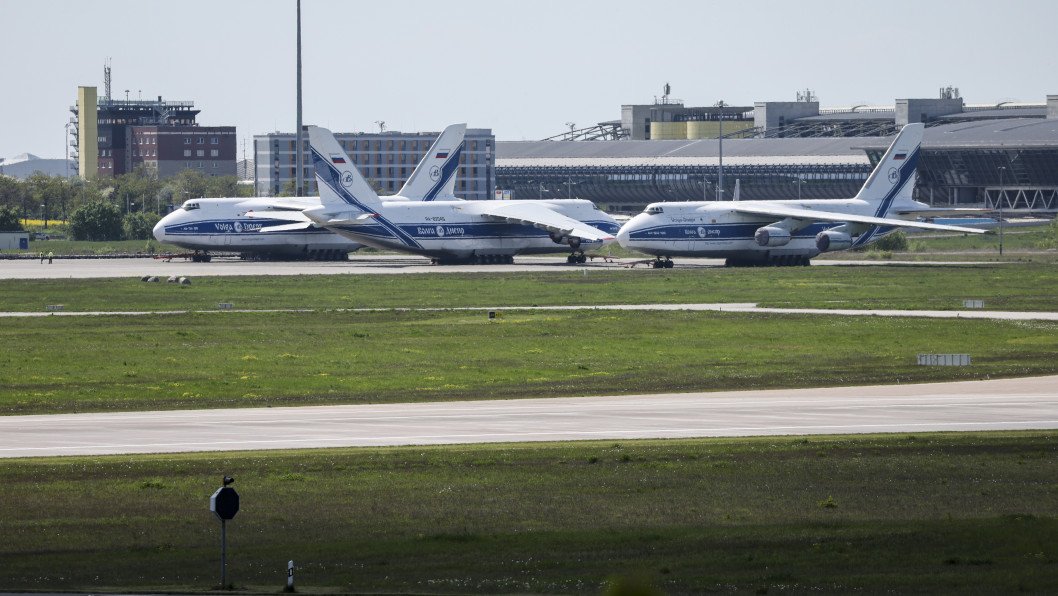
Amid the growing disruption to Russian aviation infrastructure, Ukraine has also floated the idea of a limited ceasefire focused specifically on airports and civilian aviation facilities.
According to Politico, Ukrainian Foreign Minister Andrii Sybiha presented the proposal during a meeting of EU foreign ministers in Brussels as part of Kyiv’s broader effort to increase Europe’s role in diplomatic negotiations alongside the United States.
Sybiha suggested a so-called “airport truce” under which both Ukraine and Russia would refrain from striking each other’s airport infrastructure.
“We probably need a new role for Europe in our peace efforts. Maybe we will try to achieve the so-called ‘airport truce,’” he said.
According to Politico, Ukrainian officials believe Moscow could also have an interest in such an arrangement as Ukrainian long-range drone strikes increasingly target major Russian aviation facilities and disrupt air traffic across the country.
At the same time, the Russian military is increasingly turning to a covert network of civilian commercial aircraft to move troops, weapons, and equipment, as its military aviation maintenance system continues to deteriorate.
The report notes that Russia’s Ministry of Defense operates a semi-civilian aviation structure, including units such as the 223rd and 224th Flight Units, which are formally listed in the national commercial aviation registry.
Discuss this article:



-c439b7bd9030ecf9d5a4287dc361ba31.jpg "Photo of Katherina Popilnichenko")