- Category
- Latest news
Russia Turns Civilian Airliners Into a Global Military Logistics Network, Investigation Reveals
 Prefer U24 Media on Google
- Authors

-72b63a4e0c8c475ad81fe3eed3f63729.jpeg "Photo of Cyril Barabaltchouk")
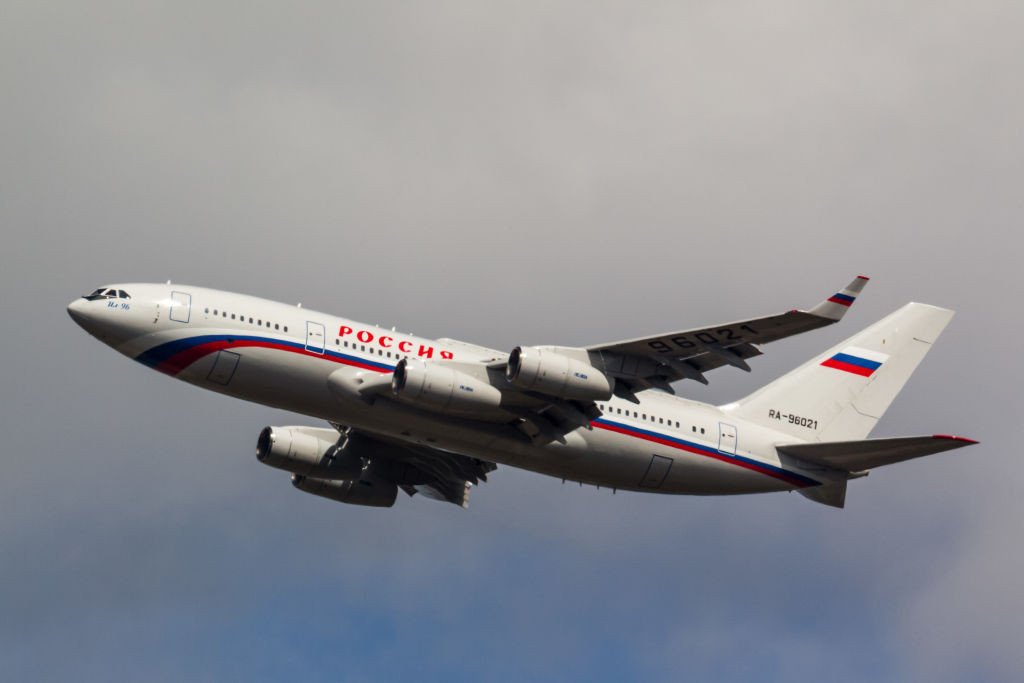
The Russian military is increasingly relying on a shadow fleet of civilian commercial aircraft to transport troops, weapons, and materiel due to the collapse of its military aviation maintenance sector, Dallas Analytics reported on April 25.
The Russian Ministry of Defense maintains a quasi-civilian vanguard, including the 223rd and 224th Flight Units, on the national commercial registry. By painting these military aircraft in standard commercial liveries, Russia bypasses the complex diplomatic clearances required for military flights, allowing them to enter international transit nodes in the Middle East and Africa under the guise of civilian charters.
We bring you stories from the ground. Your support keeps our team in the field.
Dallas Analytics notes that these state units have already been sanctioned by the US for ferrying Wagner Group mercenaries and transferring North Korean ballistic missiles to Russian military facilities.
This strategy extends deep into the private sector, with independent cargo operators contracted to execute sensitive military logistics. According to Dallas Analytics, documentary evidence shows civilian cargo airline Aviacon Zitotrans transporting military helicopters to Laos, missile systems to India, and undisclosed dangerous goods to Syria directly on behalf of the Russian Defense Ministry.
The airline is embedded in the supply chains of sanctioned Russian defense manufacturers, even flying military electronics from Uganda back to Russia to supply the Almaz-Antey Aerospace Defense Concern.
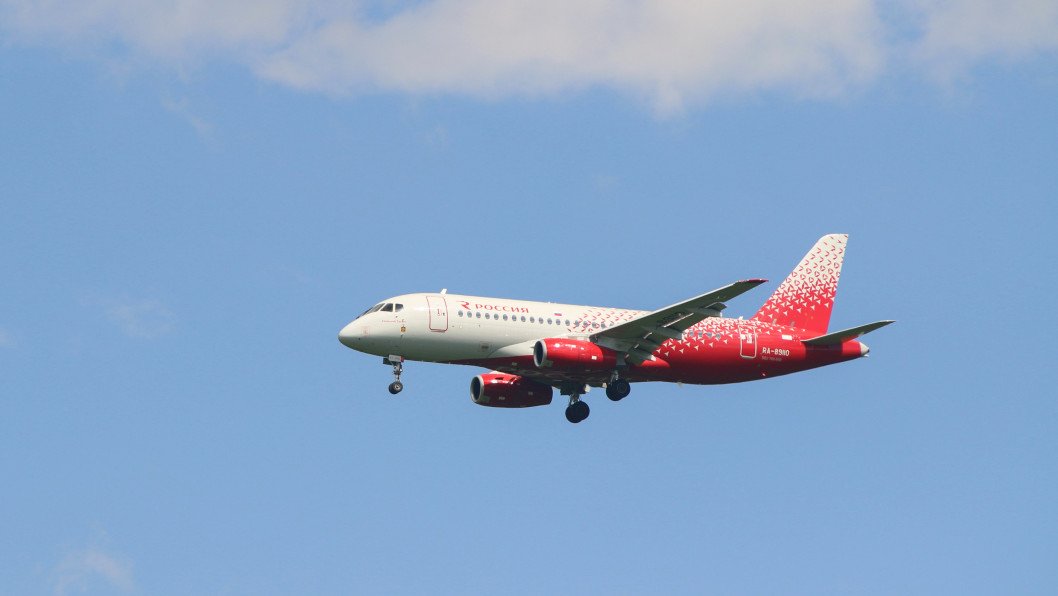
The militarization of civil aviation also includes passenger transport. The Ministry of Defense routinely charters commercial airlines, such as I-Fly and Ural Airlines, to execute dark flights with disabled transponders. These civilian planes transport conscripted soldiers directly to front-line transit hubs, including cities of Rostov-on-Don and temporarily occupied Simferopol.
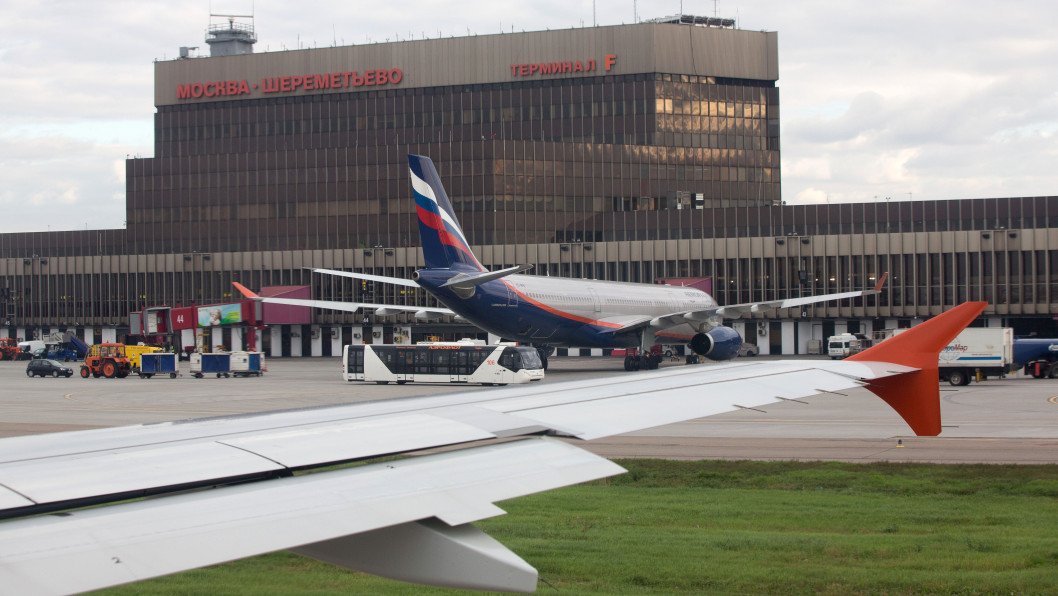
This shadow logistics network relies heavily on legally codified dual-use aerodromes where commercial and military operations overlap.
Dallas Analytics noted that by routing high-value military cargo and troops through active civilian passenger airports, the Russian government deliberately blurs the lines between protected civilian spaces and military logistics nodes, placing ordinary travelers and commercial ground crews at acute risk of collateral exposure.
Despite targeted Western sanctions against individual airlines, the shadow air fleet continues to operate with the help of non-aligned transit hubs.
Dallas Analytics states that Western policymakers need to escalate their strategy by imposing secondary sanctions on foreign ground handlers, fuel suppliers, and civil aviation authorities that service these aircraft to permanently ground the Kremlin’s auxiliary transport network.
The Russian military’s reliance on civilian airlines for logistics makes sense when looking at the state of Russia’s elite aviation units. Even the Kremlin’s equivalent of Air Force One is in disrepair. Recently leaked internal documents from the Special Flight Detachment “Russia"—the unit responsible for flying top government officials—reveal a severe maintenance crisis driven by Western sanctions.
Cut off from imported navigation systems and weather radars, the VIP fleet recorded 55 in-flight technical failures in just three months. With domestic import substitution failing, the inability to keep even the president’s planes safely in the air highlights why the military transport fleet is grounded, forcing the defense ministry to hijack private cargo carriers to move its weapons.
Discuss this article:
-9a7b3a98ed5c506e0b77a6663f5727c5.png)


-c439b7bd9030ecf9d5a4287dc361ba31.jpg "Photo of Katherina Popilnichenko")

-111f0e5095e02c02446ffed57bfb0ab1.jpeg "Photo of Roman Kohanets")