- Category
- World
Russian Disinformation Network Manufactures Fake News Campaign About an Armenia-Russia War
 Prefer U24 Media on Google
- Authors


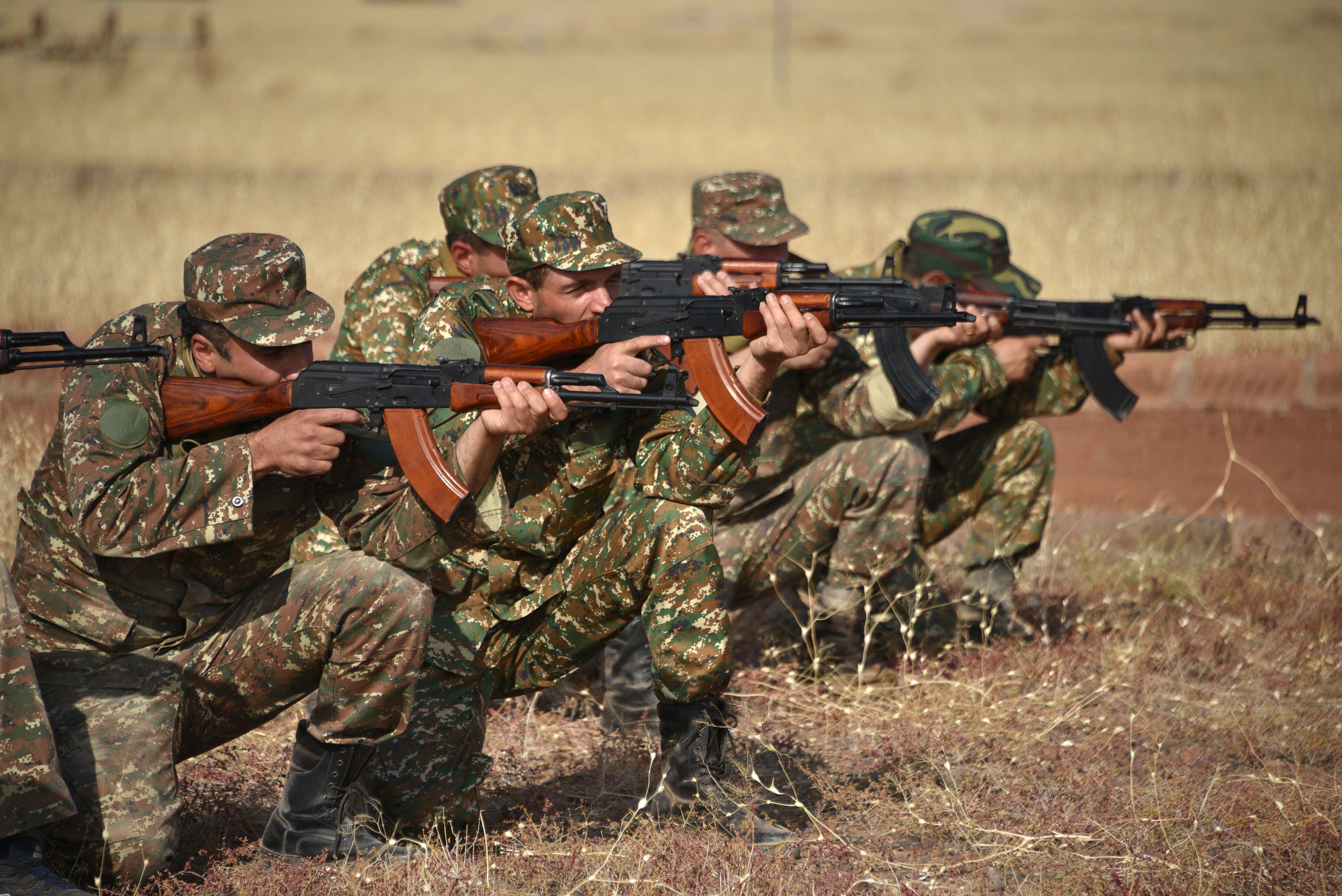
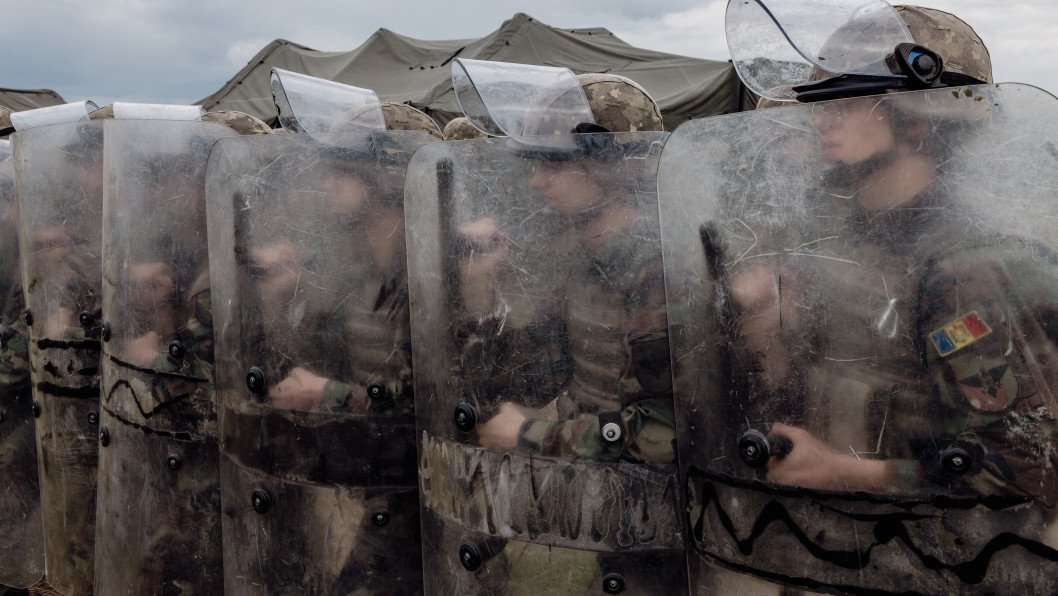
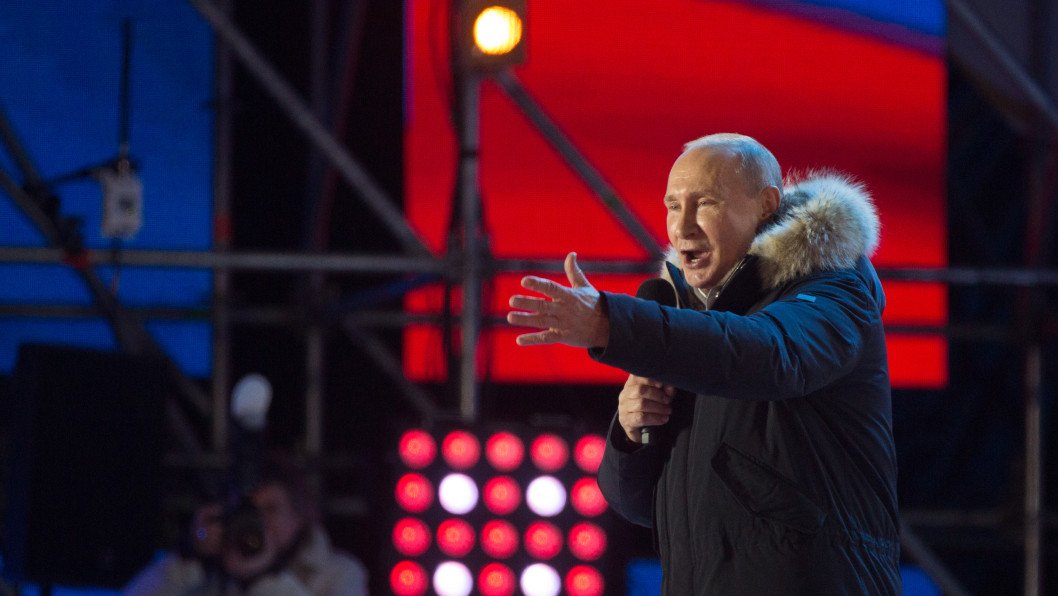
A Russian-linked disinformation network has begun circulating a coordinated series of social media videos promoting narratives about a possible future war between Armenia and Russia, according to investigative reporting by the outlet Agentstvo. Novosti. on May 13.
The activity, documented by researchers, reportedly began two months before Russian leader Vladimir Putin publicly compared the events in Armenia and Ukraine. and involved at least 20 fabricated video clips distributed by accounts linked to Russian state influence operations.
We bring you stories from the ground. Your support keeps our team in the field.
The first video, published on March 6, falsely imitated reporting from the Institute for the Study of War, claiming that a potential electoral victory by Armenian Prime Minister Nikol Pashinyan would trigger a conflict with Russia.
On March 24, pro-Kremlin accounts released 12 additional videos alleging that Pashinyan had reached a secret agreement with French President Emmanuel Macron, in which electoral support would be exchanged for a confrontation with Moscow. The same narratives also claimed that France had sent military instructors with experience from the war in Ukraine and provided Armenia with €50 million in weapons funding.
Researchers noted that in early April, four further fabricated videos were published featuring actors from the US television series The Office, including David Koechner, Andy Buckley, Melora Hardin, and Kate Flannery. The actors were shown urging viewers not to vote for Pashinyan. The videos were reportedly created using the Cameo platform, with parts of the audio potentially generated using artificial intelligence.
The final video identified in the campaign appeared on May 11, alleging the presence of NATO instructors in Armenia and claiming that Pashinyan intended to provoke a conflict with Russia after elections.
In addition to video content, fabricated covers purporting to be from French media outlets such as Libération, Ouest-France, and Actu were circulated on March 24, promoting similar claims about an alleged Armenia–France agreement.
Alongside the Armenia-focused campaign, researchers previously identified a separate wave of fabricated content attributed to pro-Iranian propaganda channels, which has been spreading disinformation about alleged Iranian strikes on Ukrainian territory.

The video, widely circulated online and shared on April 30 by an account linked to commentator activity associated with Sprinter Press Agency, claims that Iran targeted what it describes as “Ukrainian intelligence hubs.” The narrative alleges that these facilities were involved in operations against Iran’s Supreme Leader Ali Khamenei.
The footage references Kyiv, Kharkiv, and Dnipro as locations of the purported strikes. However, investigators note that the visuals used in the video are not authentic and were generated using artificial intelligence, rather than depicting real events on the ground.
Discuss this article:
-9bd5e1532102621f8fb1c4ba871a3171.png)

-111f0e5095e02c02446ffed57bfb0ab1.jpeg "Photo of Roman Kohanets")

-a0d157e1f6f04033b54a1b71f05dabe3.jpg "Russia’s Military Is Expanding Across Africa. Suspiciously, So Is Its Church")