- Category
- World
Russian-Run Schools in Temporarily Occupied Kherson Region Pressure Parents to Fund Army Units
 Prefer U24 Media on Google
- Authors

-111f0e5095e02c02446ffed57bfb0ab1.jpeg "Photo of Roman Kohanets")
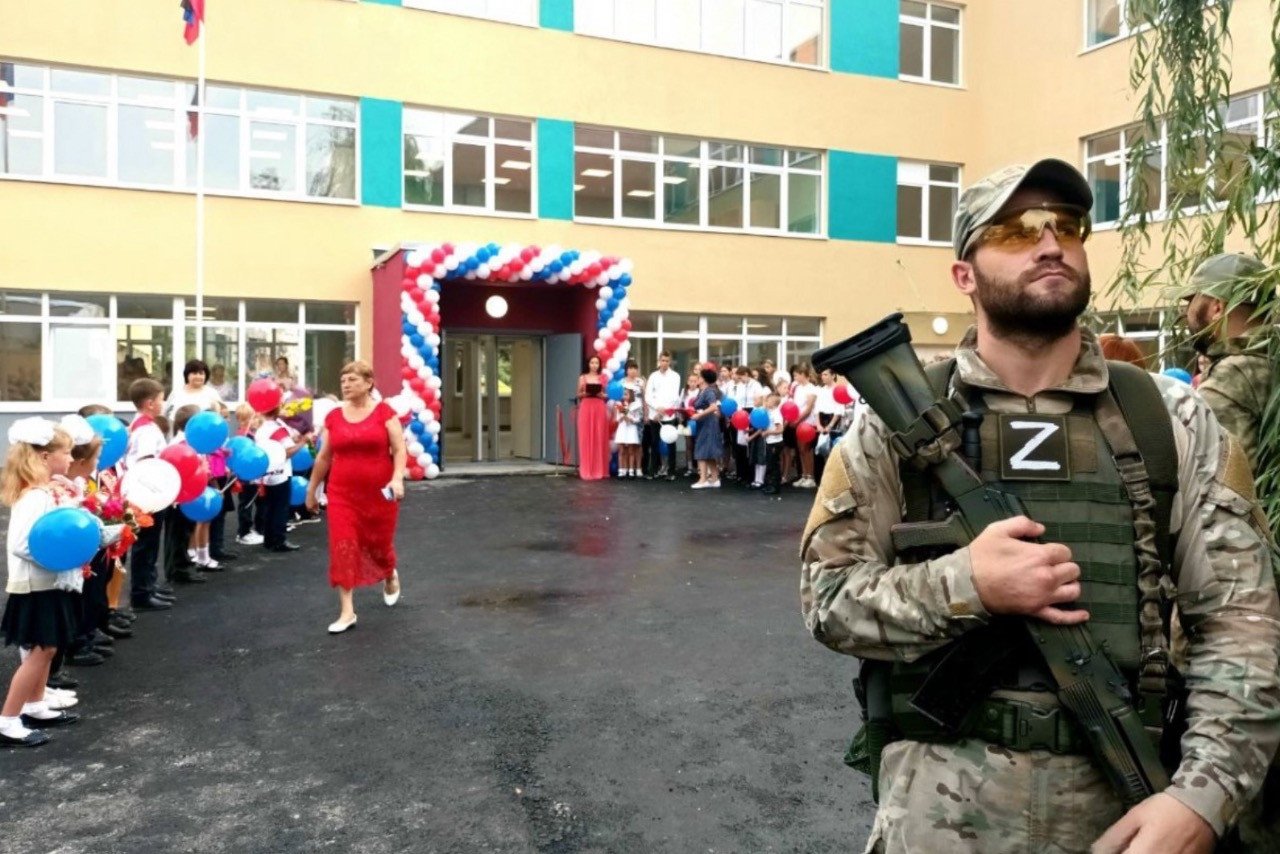
School administrations in the occupied part of Kherson region are pressuring parents of schoolchildren to hand over money for the needs of Russian military units, according to a post published on Telegram on June 10 by activists of the OTPOR resistance.
OTPOR is a Ukrainian civil resistance movement operating in the Russian-occupied south, which documents the actions of occupation authorities and collects reports from residents anonymously.
We bring you stories from the ground. Your support keeps our team in the field.
According to the post, the pressure comes from school administrations subordinated to the occupation Ministry of Education of Kherson region. The scheme, the activists wrote, is always the same: at parent meetings, families are "asked" to contribute a set sum, and refusal is not an option. Those who decline to pay are openly threatened, the post noted, with:
inspections of their "fulfillment of parental duties";
checks on whether they are a "zhdun"—occupation slang for a person loyal to Ukraine and awaiting its return.
The activists reported that such pressure has been recorded at Henichesk School No. 1 and Henichesk School No. 2, both of which, according to the post, report directly to the occupation Ministry of Education and Science of Kherson region.
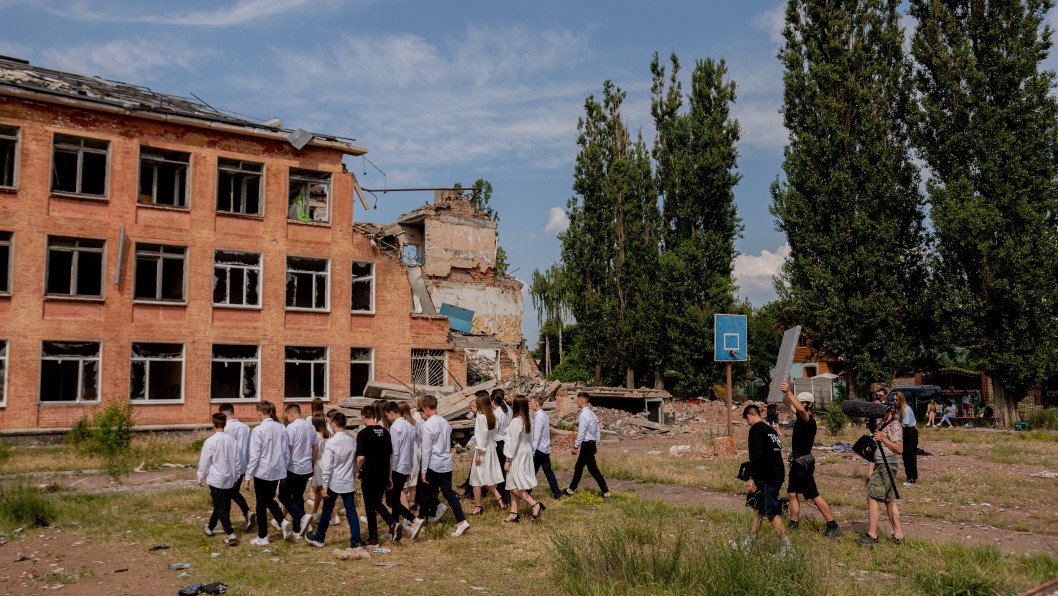
"This is not volunteering. This is the forced financing of the aggressor's army through schools, with children used as an instrument of pressure on parents," the activists declared.
OTPOR urged residents not to give in to threats and to document every instance of coercion—the date, the name of the teacher or administrator involved, and the sum demanded. The movement added that this information can be passed on anonymously.
The coercion fits a wider Kremlin system that channels state pressure on children and families through educational institutions.
Russia has approved a 2026–2030 youth policy plan that orders annual work to draw children from temporarily occupied parts of Donetsk, Luhansk, Zaporizhzhia, and Kherson regions into projects run by the state-backed "Movement of the First," while creating "cyber squads" and "media patrols" in schools to monitor young people's online activity and report "unreliable" posts to the authorities.
Discuss this article:



-c439b7bd9030ecf9d5a4287dc361ba31.jpg "Photo of Katherina Popilnichenko")

-72b63a4e0c8c475ad81fe3eed3f63729.jpeg "Photo of Cyril Barabaltchouk")