- Category
- World
Russian Urals Crude Flips to Discount in Asia as Chinese and Indian Buyers Pull Back
 Prefer U24 Media on Google
- Authors

-72b63a4e0c8c475ad81fe3eed3f63729.jpeg "Photo of Cyril Barabaltchouk")
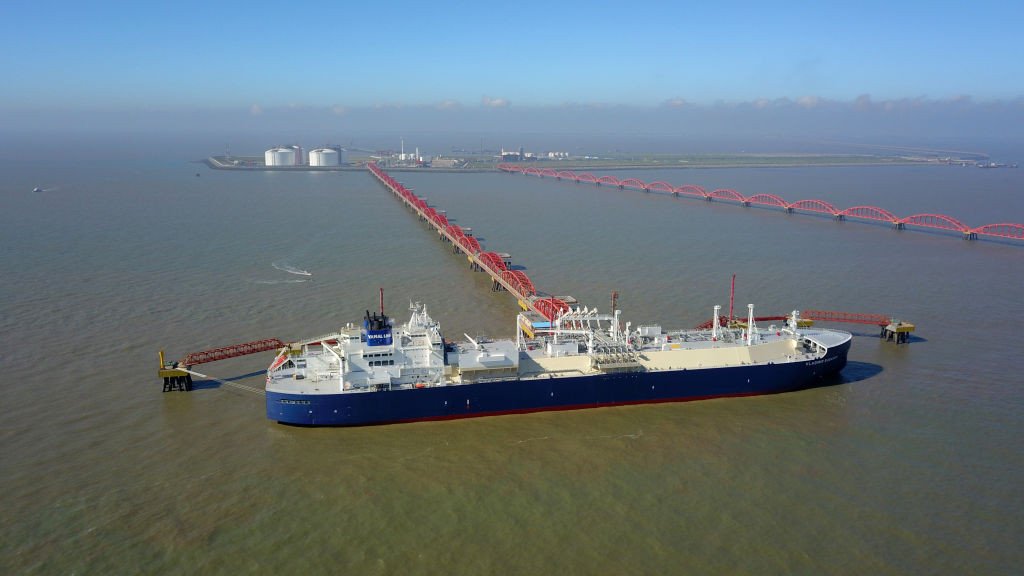
Russian Urals crude oil prices have flipped to a discount against dated Brent at Indian and Chinese ports due to a sharp drop in demand from Asian refiners, Reuters reported on June 9.
This downturn is a notable change for Russia’s primary oil grade. Since March, Urals had consistently traded at a premium to Brent in both India and China—its two most critical export markets. This previous price surge was largely driven by conflicts in the Middle East, which disrupted global oil supplies and forced buyers to seek out cheaper alternative crudes.
We bring you stories from the ground. Your support keeps our team in the field.
However, that momentum has cooled. Trade sources told Reuters that Asian refiners are now drawing down their existing inventories, sourcing other alternatives, and in some cases, cutting back their refinery operations entirely.
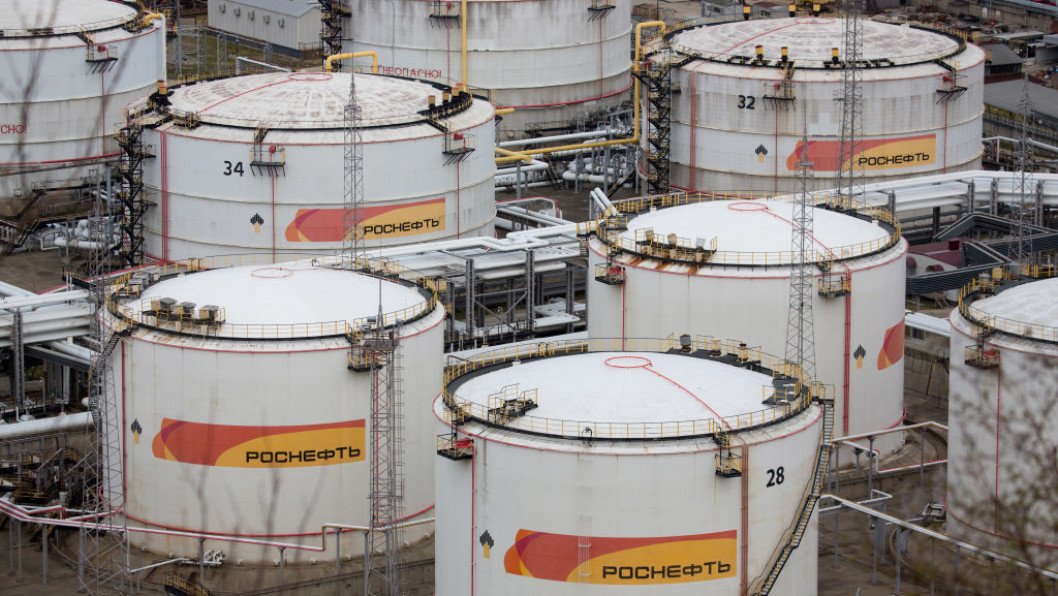
While India and China generally follow similar market trends, a reduction in buying from Beijing has a wider ripple effect across multiple energy products. Reuters notes that China imports less Urals than India, but it is a major buyer of lighter Russian grades, including ESPO Blend, Arctic, and Sakhalin crude.
According to trade sources, some Chinese buyers have outright refused to take Russian oil cargoes for June delivery. This has left Russian sellers highly vulnerable in price negotiations, as rejected volumes run the risk of being stuck in expensive floating storage, Reuters wrote.
Additionally, small independent Chinese refiners—commonly known as “teapots"—have cut their processing runs due to weakening profit margins, further depressing crude prices across the region.
India’s Ministry of Petroleum and Natural Gas had recently confirmed that its oil procurement from Moscow is driven strictly by “commercial sense” and economic viability, rather than US sanctions or waivers. While New Delhi remains open to buying Russian crude, this strict focus on profitability explains why local refiners are scaling back purchases and demanding deeper discounts the moment Urals loses its financial edge.
Discuss this article:
-4a56a6b482ec132402c16ef6fcabf9a2.png)


-c439b7bd9030ecf9d5a4287dc361ba31.jpg "Photo of Katherina Popilnichenko")



-111f0e5095e02c02446ffed57bfb0ab1.jpeg "Photo of Roman Kohanets")