- Category
- World
Russians Shift to Cash Over Banks for First Time Since 2022
 Prefer U24 Media on Google
- Authors

-c439b7bd9030ecf9d5a4287dc361ba31.jpg "Photo of Katherina Popilnichenko")
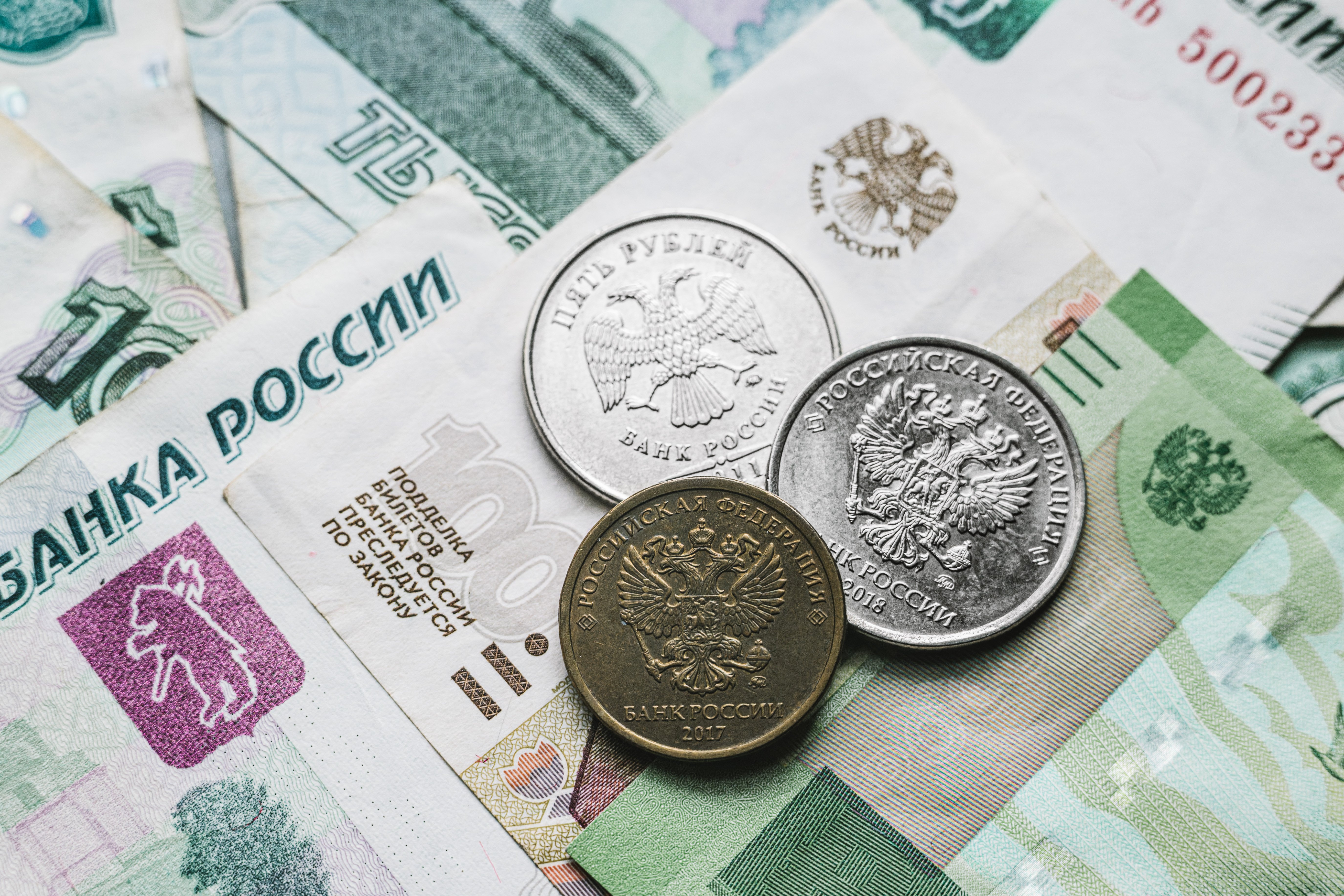
In August, 37% of survey respondents in Russia identified cash as the best way to store savings, marking the highest share recorded since October 2022, as reported by The Moscow Times.
By contrast, 36% selected bank accounts or deposits, reaching the lowest point since December 2022 and representing the first time since then that paper currency surpassed bank deposits in popularity.
We bring you stories from the ground. Your support keeps our team in the field.
An additional 11% of respondents opted for a combined approach, keeping part of their money in banks and part in physical cash. This shift comes as Russian banks experienced massive capital outflows between February and July, during which citizens withdrew nearly 2.6 trillion rubles ($32.5 billion), pushing the total amount of cash in circulation past 21.5 trillion rubles ($268.75 billion).
Herman Gref, head of Sberbank—which holds nearly half of all personal bank savings in the country—previously highlighted a "significant outflow of funds from the banking system into cash" in July.
Multiple domestic economic shifts contributed to the resurgence of physical currency. Tax adjustments introduced in January raised value-added tax (VAT), extended it to card payment processing, and lowered the annual revenue threshold for VAT exemption from 60 million rubles ($750,000) to 20 million rubles ($250,000), pushing more business operations into the informal economy.
Widespread mobile internet outages in the spring further increased demand for physical bills, while ongoing public discussion regarding a potential freeze on bank deposits fueled consumer hesitation.
Economists from the Bank of Finland attribute the shift to broader economic instability and tax avoidance, while local analysts also point to interest rates falling toward inflation expectations.
Average top retail bank deposit rates declined from a peak of 22.3% in late 2024 to 12.9% in early August, nearly aligning with household inflation expectations of 13.7%.
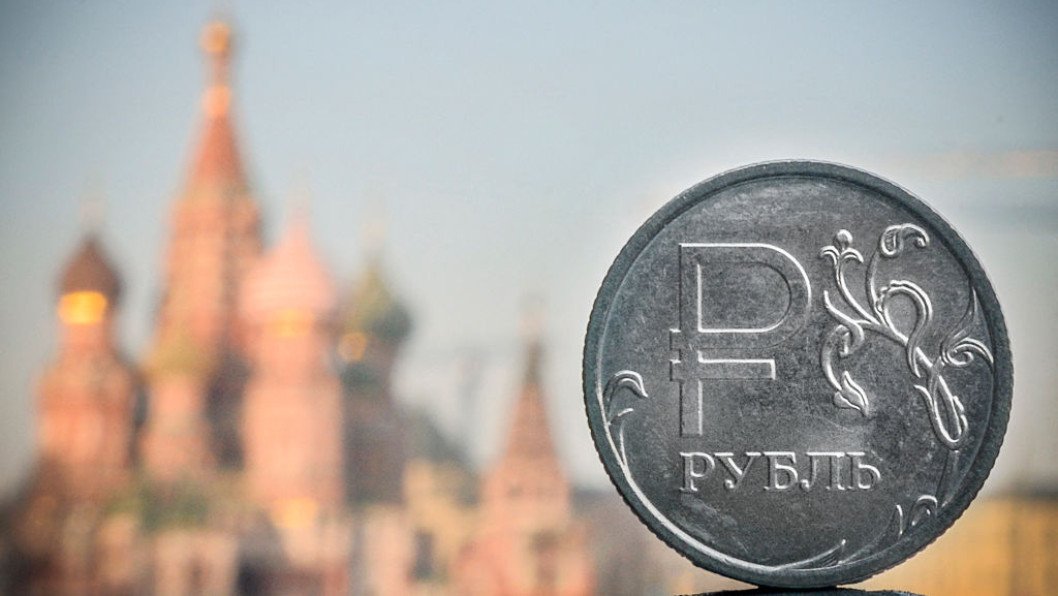
Despite shifts in how savings are held, most households maintain no financial reserves. Overall, 58% of survey respondents reported having no emergency funds to cover basic expenses in the event of job loss, while only 37% indicated they had sufficient cash reserves.
Russian authorities have reduced public access to information about the country’s remaining financial reserves. The Moscow Times reported on August 13 that the government had stopped publishing official figures on cash reserves held in its single treasury account, a key financial cushion for unallocated budget funds.
Russia’s Federal Treasury removed daily operational data covering ruble deposits placed with commercial banks, money market transactions, and the total amount of cash available across different levels of the budget system.
Discuss this article:
-4a56a6b482ec132402c16ef6fcabf9a2.png)



-111f0e5095e02c02446ffed57bfb0ab1.jpeg "Photo of Roman Kohanets")

-72b63a4e0c8c475ad81fe3eed3f63729.jpeg "Photo of Cyril Barabaltchouk")