- Category
- World
Russia’s Newest Submarine Just Went Hunting in the Baltic—and Scored a Torpedo “Kill”
 Prefer U24 Media on Google
- Authors


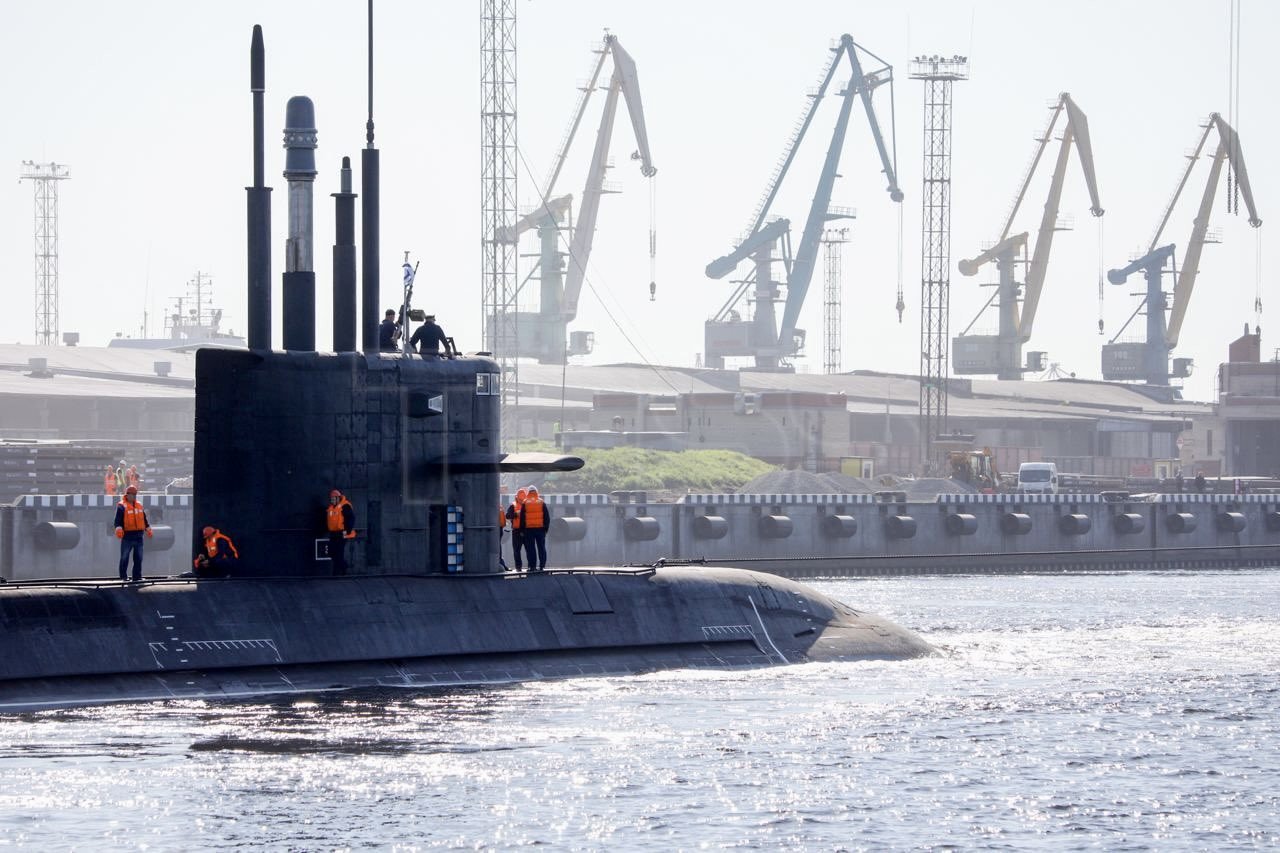
Russia has put its new Project 677 submarine Velikiye Luki through a series of underwater combat trials in the Baltic Sea, including an exercise in which the vessel detected and engaged a simulated enemy submarine with a training torpedo, Zona Militar reported on October 6.
Russia’s United Shipbuilding Corporation, or USC, said the submarine first completed a series of preparatory maneuvers before diving to the required depth and moving into position for the torpedo exercise.
We bring you stories from the ground. Your support keeps our team in the field.
The scenario required the crew to locate a submerged target representing an enemy submarine, track it, and then carry out a simulated attack.
According to USC, Velikiye Luki completed the task successfully, reaching its assigned firing position and striking the target with a training torpedo. The exercise marked another step in the testing program for one of Russia’s newest conventional attack submarines.
Project 677 Lada-class SSK B-587 "Velikiye Luki".
— Massimo Frantarelli (@MrFrantarelli) July 30, 2026
Project 141 submarine-rescue ship SS-750(+DSRV AS-26).
🗺️ Baltiysk.
📸N. Klimov(this week) pic.twitter.com/5XEhmnHU9x
The Project 677 design has a displacement of roughly 2,700 tons, a length of 66.8 meters, and a beam of 7.1 meters. The submarine is operated by a crew of about 35 and can reportedly reach submerged speeds of up to 21 knots. Its endurance is listed at as much as 45 days at sea.
Velikiye Luki is designed around six 533mm torpedo tubes and can carry torpedoes, naval mines, and missile weapons. The class also incorporates acoustic-reduction measures intended to make the submarine harder to detect, along with modern sonar equipment for tracking surface ships and submarines.
The new vessel is part of Russia’s long-running Project 677 program, intended to provide the navy with a quieter and more capable successor to older diesel-electric submarine designs. The Baltic trials are aimed at validating the submarine’s propulsion, sensors, weapons, and ability to carry out its primary combat missions before it enters regular operational service.
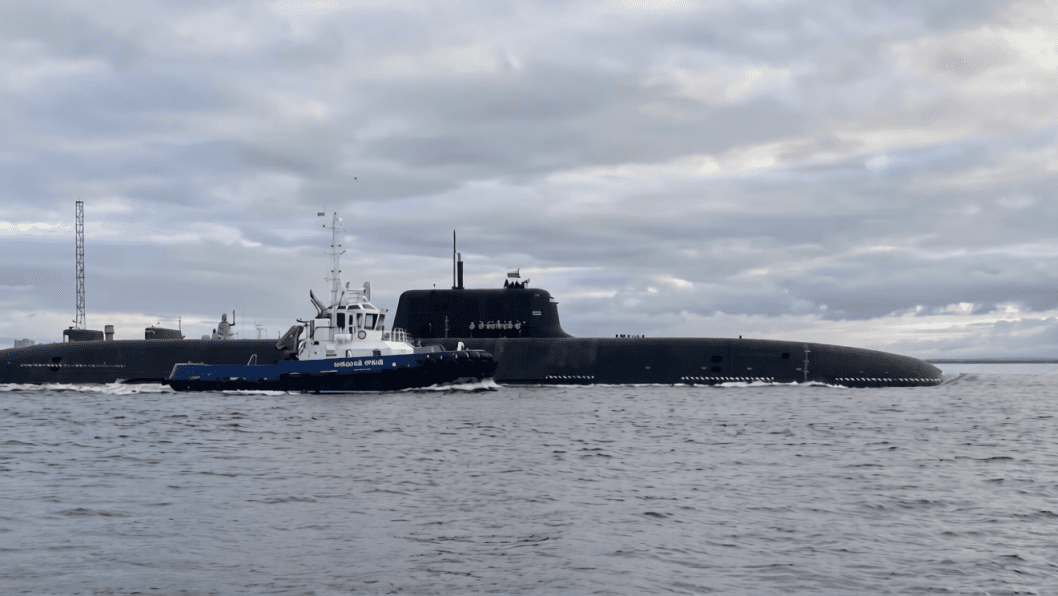
“These submarines are designed to combat enemy submarines and surface ships, protect naval bases, coastlines and sea communications, as well as launch missile strikes against enemy coastal targets,” USC said.
Earlier, a Russian Navy corvette stationed at Kronstadt has been painted to resemble a waterfront building and fitted with protective netting, as Moscow continues adapting its Baltic Fleet vessels against Ukrainian drone attacks.
Discuss this article:


-2d75a2718f2ffeec50dd5929a203081e.png "Togo-flagged cargo ship ALFA WATAN. Illustrative photo. (Source: Marine Traffic)")





-c439b7bd9030ecf9d5a4287dc361ba31.jpg "Photo of Katherina Popilnichenko")