- Category
- Latest news
Russia Is Rebuilding Its Nuclear Sub Fleet—and Betting Everything on Yasen
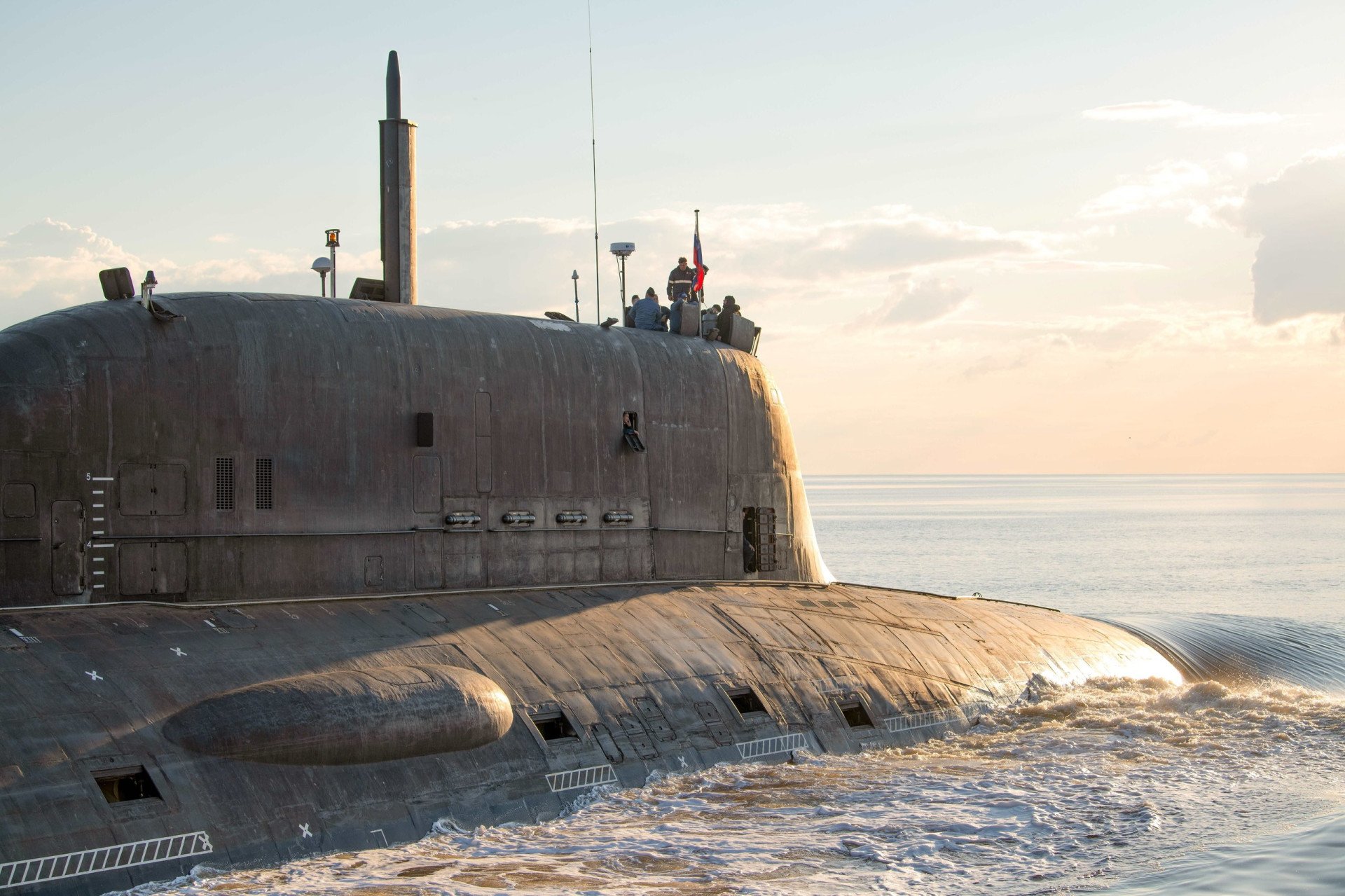
Russia is preparing to overhaul its entire nuclear-powered attack submarine fleet, replacing aging Soviet-era boats with a smaller but far more capable force built around Yasen-class submarines—reshaping its undersea strategy for decades to come.
 Prefer U24 Media on Google
- Authors


Russia plans to replace all of its third-generation nuclear-powered attack submarines with Project 885 Yasen and Project 885M Yasen-M vessels over the next decade, according to Army Recognition, citing confirmation from Navy Commander-in-Chief Aleksandr Moiseyev on March 24.
We bring you stories from the ground. Your support keeps our team in the field.
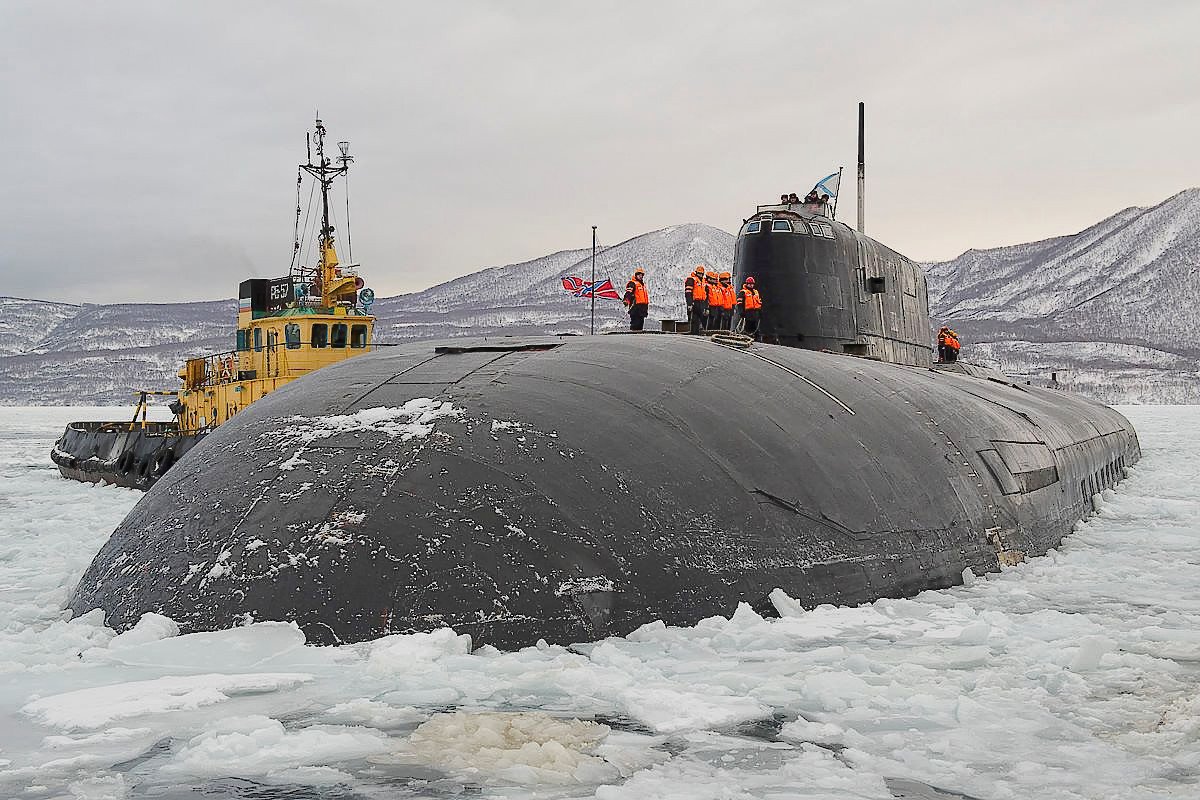
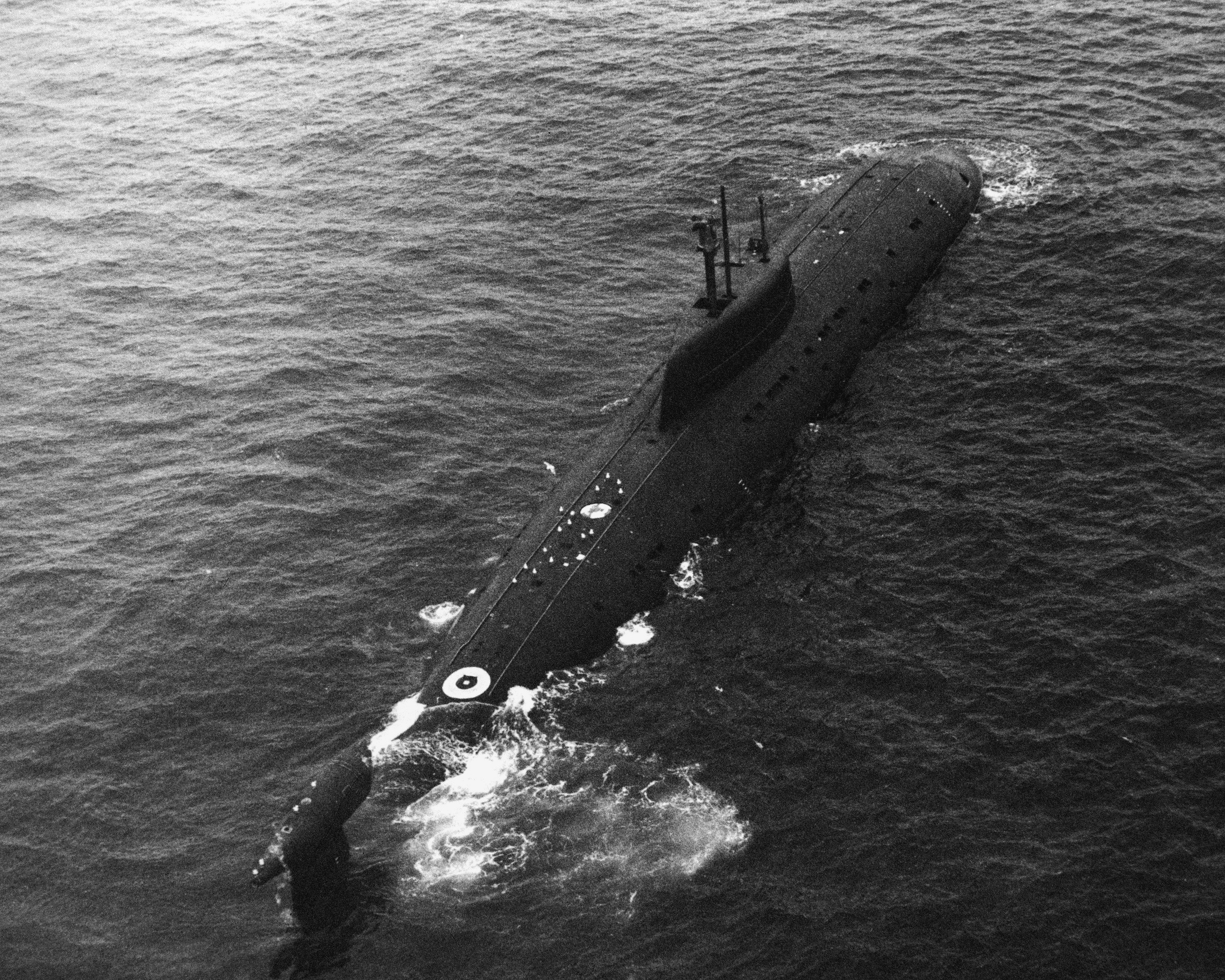
The transition will phase out legacy platforms—including Akula, Sierra, and Oscar-II submarines—in favor of a streamlined fleet of approximately 10 to 12 Yasen-class boats.
According to Army Recognition, the move is designed to boost long-range strike capabilities, stealth, and operational flexibility while expanding Russia’s reach across the Arctic, North Atlantic, and Pacific regions.
🇷🇺 Russian Submarines on the Rise 🌊
— WAR (@warsurv) January 12, 2026
Russia’s submarine force has taken a major leap forward. The modern Yasen class comes equipped with advanced sonar systems from spherical to towed arrays and carries serious firepower with Kalibr, Oniks and possibly Zircon cruise missiles.… pic.twitter.com/SFOsVpkjtg
Smaller fleet, but far more lethal
According to Army Recognition, the shift marks a departure from the Soviet-era model of maintaining a large and diverse submarine fleet. Instead, Russia is consolidating its undersea force around a single, multipurpose platform.
While the total number of submarines will decrease, each Yasen-class vessel offers significantly greater capability.
The Russian Akula-class nuclear-powered attack submarine K-328 Leopard was recently spotted at sea, likely undergoing factory sea trials. pic.twitter.com/GznxPQ6S8C
— OSINTWarfare (@OSINTWarfare) December 25, 2025
The modernization effort reflects a broader strategic emphasis on undersea strike power rather than surface fleet expansion.
The submarines being retired were built between the mid-1980s and mid-1990s and were designed for specialized roles such as anti-submarine warfare or anti-carrier missions. However, maintaining multiple classes has become increasingly difficult due to aging reactors, outdated electronics, and complex logistics chains.
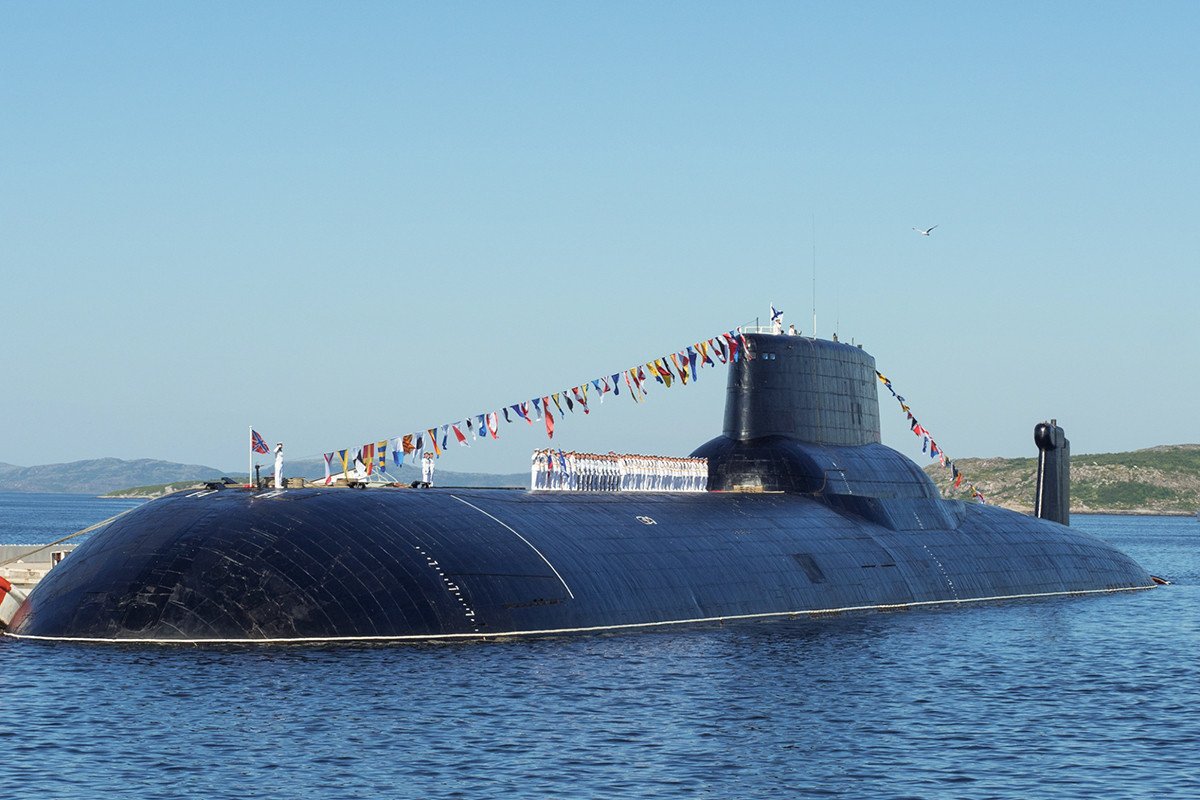
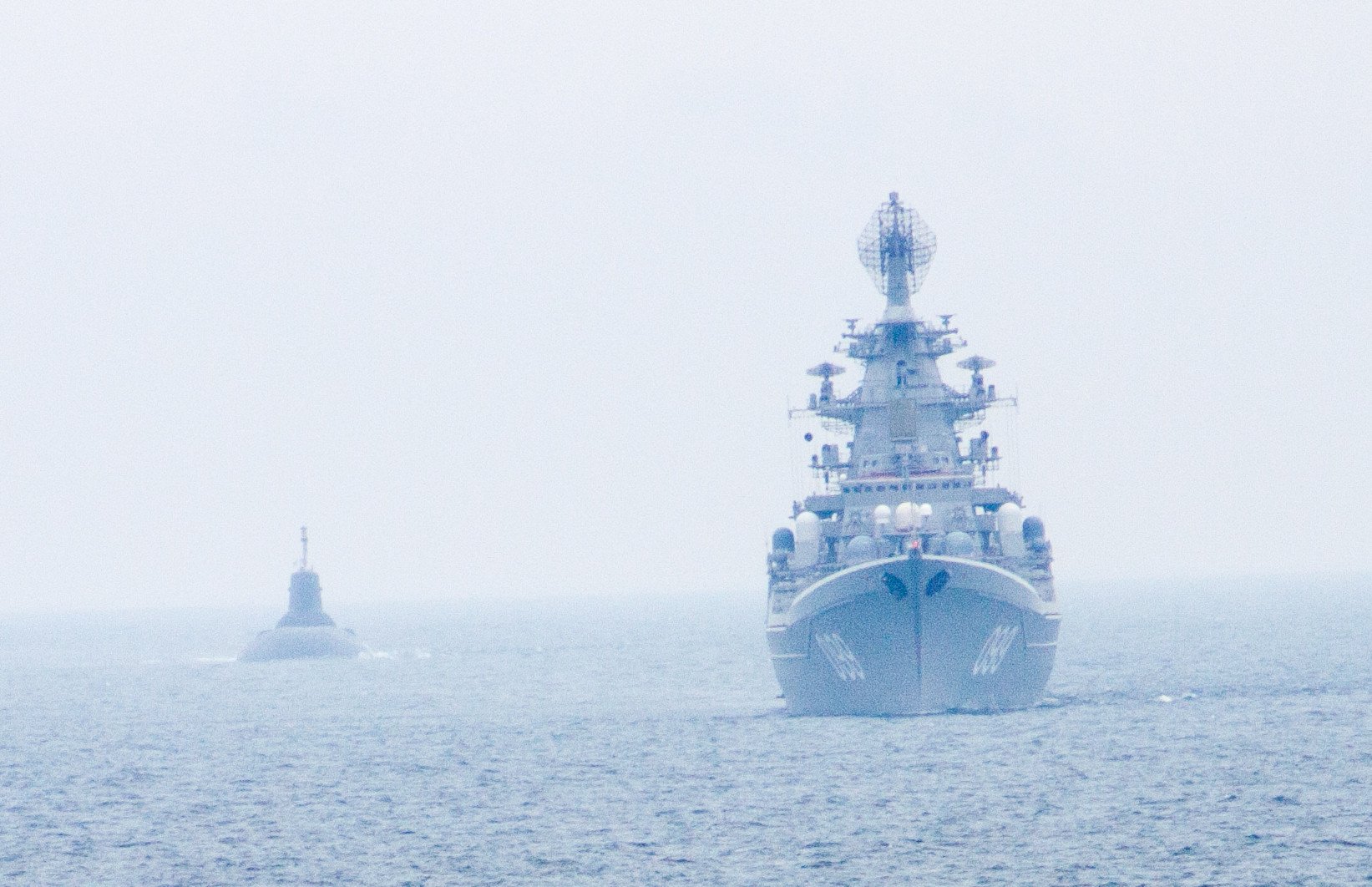
Built for multi-role warfare and hypersonic strikes
According to Army Recognition, Yasen and Yasen-M submarines are fourth-generation nuclear-powered platforms capable of conducting anti-ship, anti-submarine, and land-attack missions.
Each submarine is equipped with vertical launch systems capable of carrying up to 32 cruise missiles, including Kalibr land-attack missiles with ranges exceeding 1,500 kilometers, Oniks anti-ship missiles, and Zircon hypersonic missiles, which have been integrated into the class in recent years.
Cubans line up to board Russian ships, including nuclear-powered Yasen-class cruise missile submarine Kazan in Havana, Cuba. pic.twitter.com/icg6xhek5k
— Clash Report (@clashreport) June 14, 2024
The vessels also feature ten 533 mm torpedo tubes and can deploy a wide range of munitions, including torpedoes, mines, and anti-submarine missiles.
This combination allows a single submarine to perform roles that previously required multiple specialized platforms.
Stealth, automation, and extended endurance
Stealth is a central feature of the Yasen design. According to Army Recognition, the submarines incorporate low-noise propulsion systems, anechoic coatings, and advanced reactor cooling methods that reduce acoustic signatures.
The Yasen-M variant also features increased automation, reducing crew size to around 64 personnel, compared to roughly 85 on earlier versions.
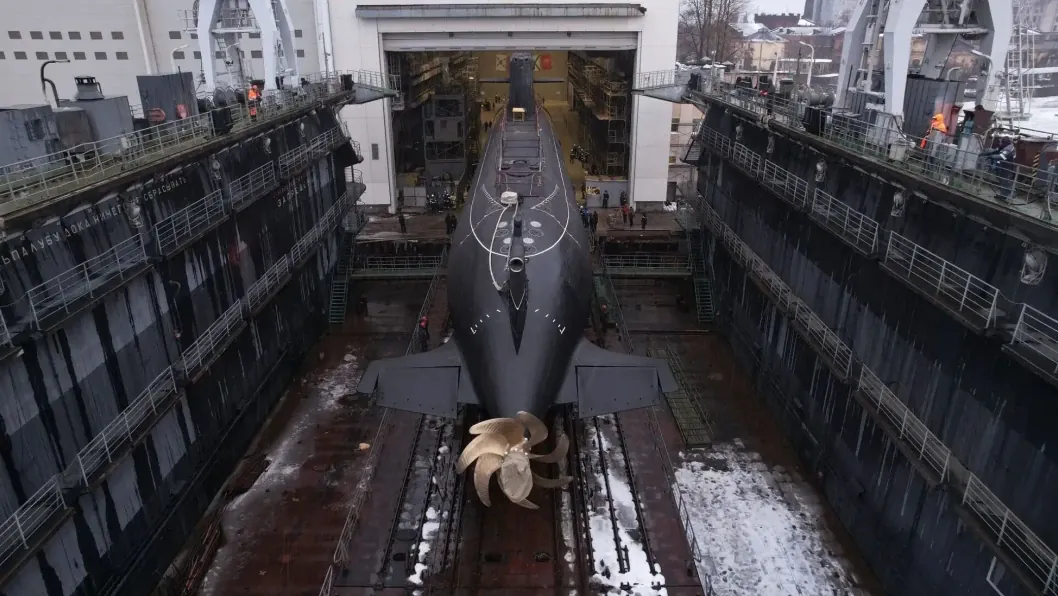
The nuclear reactor is designed to operate for up to 25–30 years without refueling, while submerged speeds can reach approximately 28 knots in quiet mode and higher under full power.
Advanced sonar systems—including bow, flank, and towed arrays—provide enhanced detection capabilities across a wide range of frequencies.
Production limits and strategic trade-offs
According to Army Recognition, production of Yasen-class submarines is concentrated at the Sevmash shipyard in Severodvinsk, Russia’s primary facility for nuclear submarine construction.
As of 2026, one Yasen and five Yasen-M submarines are in service, with additional units under construction. The projected fleet size is expected to reach 10 to 12 submarines.
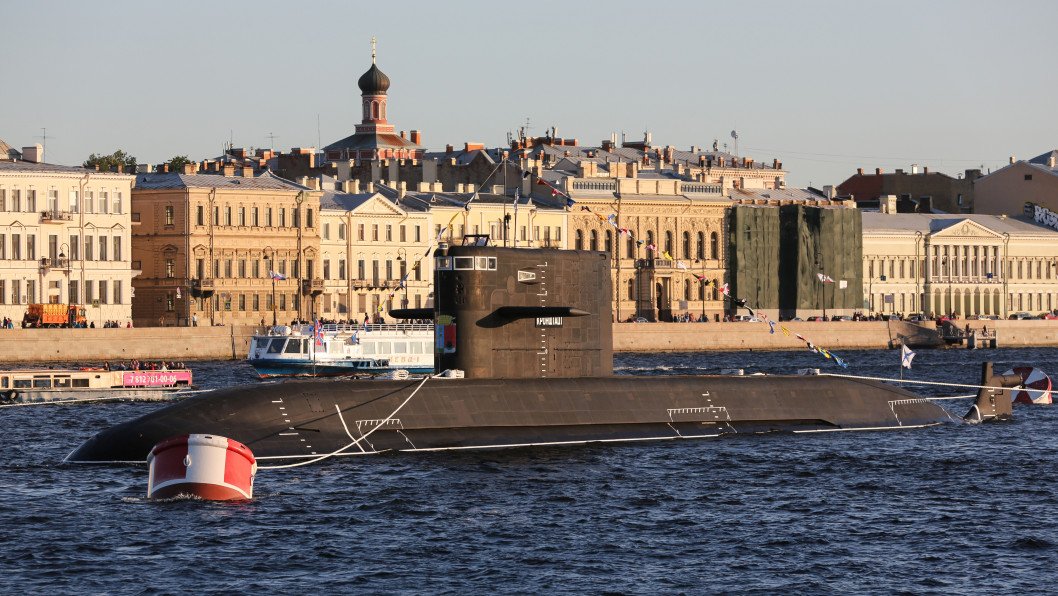
However, production constraints—including industrial delays, workforce shortages, and supply chain challenges—limit output to roughly one submarine per year or less.
Unit costs are estimated to range from $700 million to over $1.5 billion, depending on build conditions.
Strategic implications
The new submarines are being deployed across both the Northern Fleet and Pacific Fleet, supporting operations in key strategic regions including the Arctic and Asia-Pacific.
According to Army Recognition, the transition to a smaller but more capable fleet will reduce maintenance complexity and streamline training, but it will also increase reliance on fewer platforms.
The integration of Yasen-class submarines alongside Borei-class ballistic missile submarines forms the backbone of Russia’s evolving maritime deterrence strategy.
By combining long-range cruise missiles with hypersonic weapons, the new fleet enhances Russia’s ability to strike naval and land targets without forward-deployed surface forces—potentially shifting the balance in contested maritime regions.
Earlier, reports emerged that Russia’s purpose-built carrier for its most controversial nuclear weapon may soon head to sea, as Moscow prepares to test a submarine designed not for patrols, but for deploying the Poseidon nuclear torpedo.
Discuss this article:
-9a7b3a98ed5c506e0b77a6663f5727c5.png)

-111f0e5095e02c02446ffed57bfb0ab1.jpeg "Photo of Roman Kohanets")



-72b63a4e0c8c475ad81fe3eed3f63729.jpeg "Photo of Cyril Barabaltchouk")