- Category
- World
St. Petersburg Faces Fuel Supply Problems as Gas Stations Restrict Gasoline Sales
 Prefer U24 Media on Google
- Authors


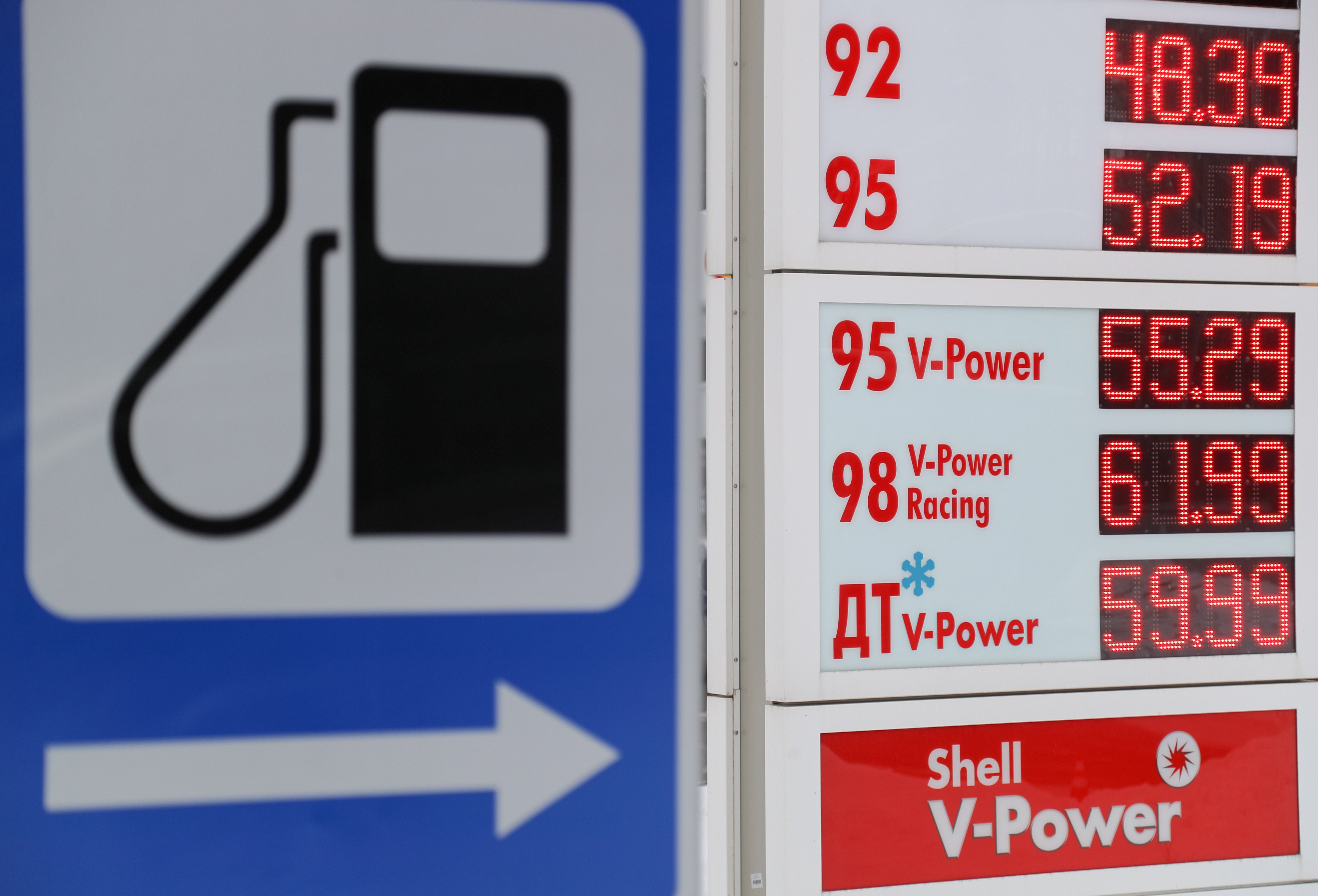
St. Petersburg has begun experiencing fuel supply problems, with several gas stations introducing restrictions on gasoline sales as shortages of certain fuel grades emerge.
According to Russian media outlet Fontanka on June 2, reports of restrictions at gas stations in and around Russia’s second-largest city began appearing at the end of last week.
We bring you stories from the ground. Your support keeps our team in the field.
Representatives of the Kirishiavtoservice’s hotline told the outlet that the restrictions were introduced “in connection with recent events.” Similar limits were also reported at some Rosneft stations, although those were set at a higher threshold of 95 liters per customer.
Industry sources cited by Fontanka said the most severe shortages involve AI-95 gasoline.
“There is a shortage specifically of AI-95,” another source told Fontanka, adding that fuel previously supplied by the regional refinery is now being transported from beyond the Ural Mountains.
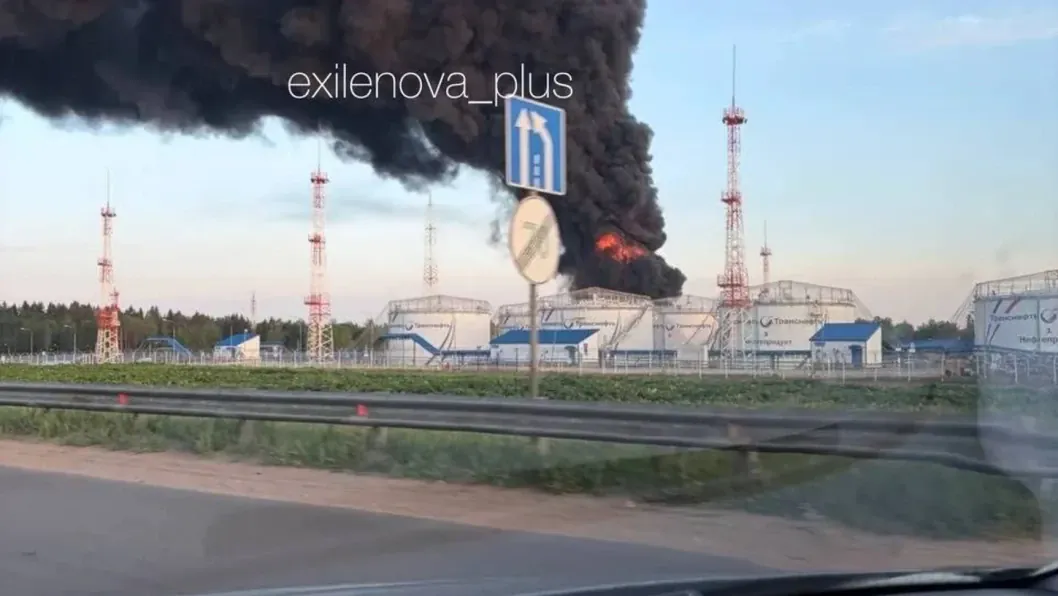
The fuel supply issues now emerging in St. Petersburg come amid a series of Ukrainian strikes targeting Russia’s energy infrastructure, including facilities in and around the city itself.
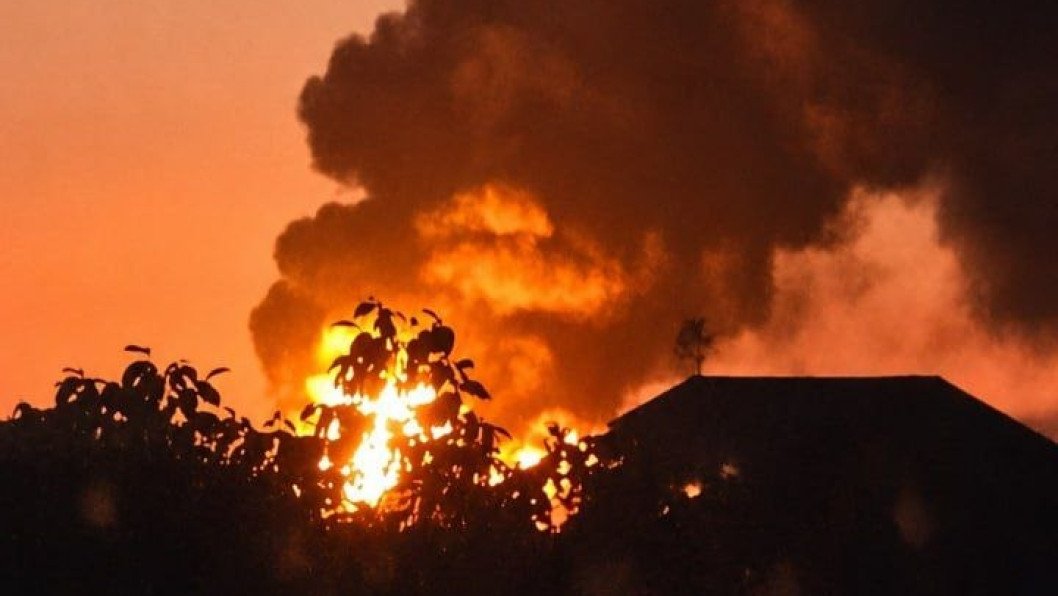
Overnight June 3, Ukrainian long-range drones struck the Petersburg Oil Terminal, one of the largest oil product handling facilities in Russia’s Baltic region. The attack occurred as St. Petersburg was hosting its flagship international economic forum, drawing foreign business and political guests.
Footage published by the OSINT community Exilenova+ and later acknowledged by Ukrainian President Volodymyr Zelenskyy showed fires burning at the facility after the strike. Local residents reported hearing multiple explosions, while videos also captured Russian air defense systems attempting to intercept incoming drones.
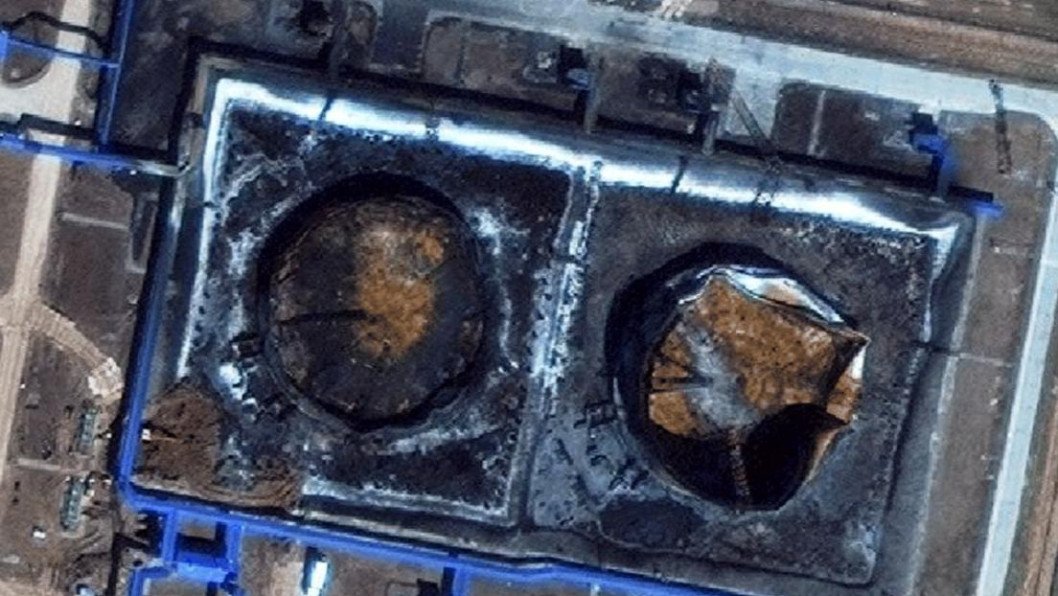
The terminal, operated by JSC Petersburg Oil Terminal, plays a significant role in the handling and distribution of petroleum products through Russia’s Baltic export network.
Leningrad region governor Alexander Drozdenko said Russian air defenses had downed dozens of drones over the region during the attack. However, he did not address reports of the fire at the oil terminal, which was visible in footage circulating online after the strike.
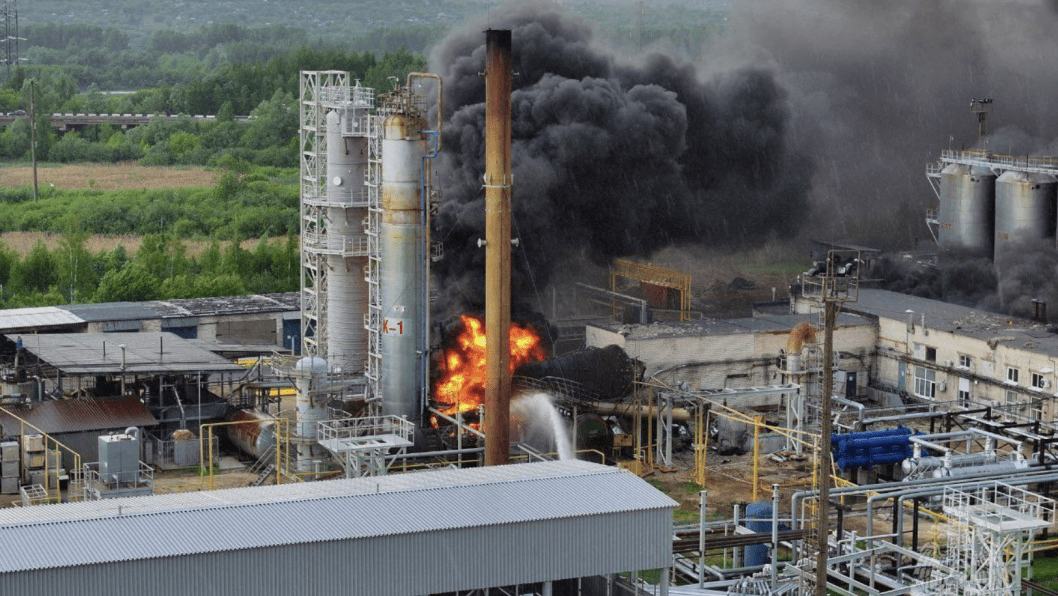
Additionally, the Russian government has implemented a five-month ban on aviation kerosene exports starting June 1, a move aimed at stabilizing its domestic fuel market. According to an official statement published on the government's website, the moratorium will remain in effect until November 30.
The restriction covers all jet-engine fuel, including supplies acquired via exchange trading. However, the order outlines several exceptions: fuel already loaded into aircraft tanks for active flights and kerosene shipments that completed customs clearance prior to the directive taking effect are exempt.
Deliveries conducted under the framework of existing intergovernmental agreements will be allowed to continue.
The reported fuel shortages in St. Petersburg follow similar disruptions in other Russian-controlled territories. In late May, temporary fuel shortages and sharp price increases were reported in temporarily occupied Sevastopol.
According to Radio Liberty/Radio Free Europe, Russian Telegram channels reported that fuel prices in Sevastopol had surged, with some describing the increase as a dramatic spike. Images shared online from ATAN and TES filling stations appeared to show shortages of certain fuel grades, while available supplies were being sold at significantly higher prices.
Discuss this article:
-9a7b3a98ed5c506e0b77a6663f5727c5.png)



-c439b7bd9030ecf9d5a4287dc361ba31.jpg "Photo of Katherina Popilnichenko")