- Category
- World
Ukraine’s Refinery Strikes Squeeze Russia’s Motor Oil Market, Sending Prices Up 100%
 Prefer U24 Media on Google
- Authors


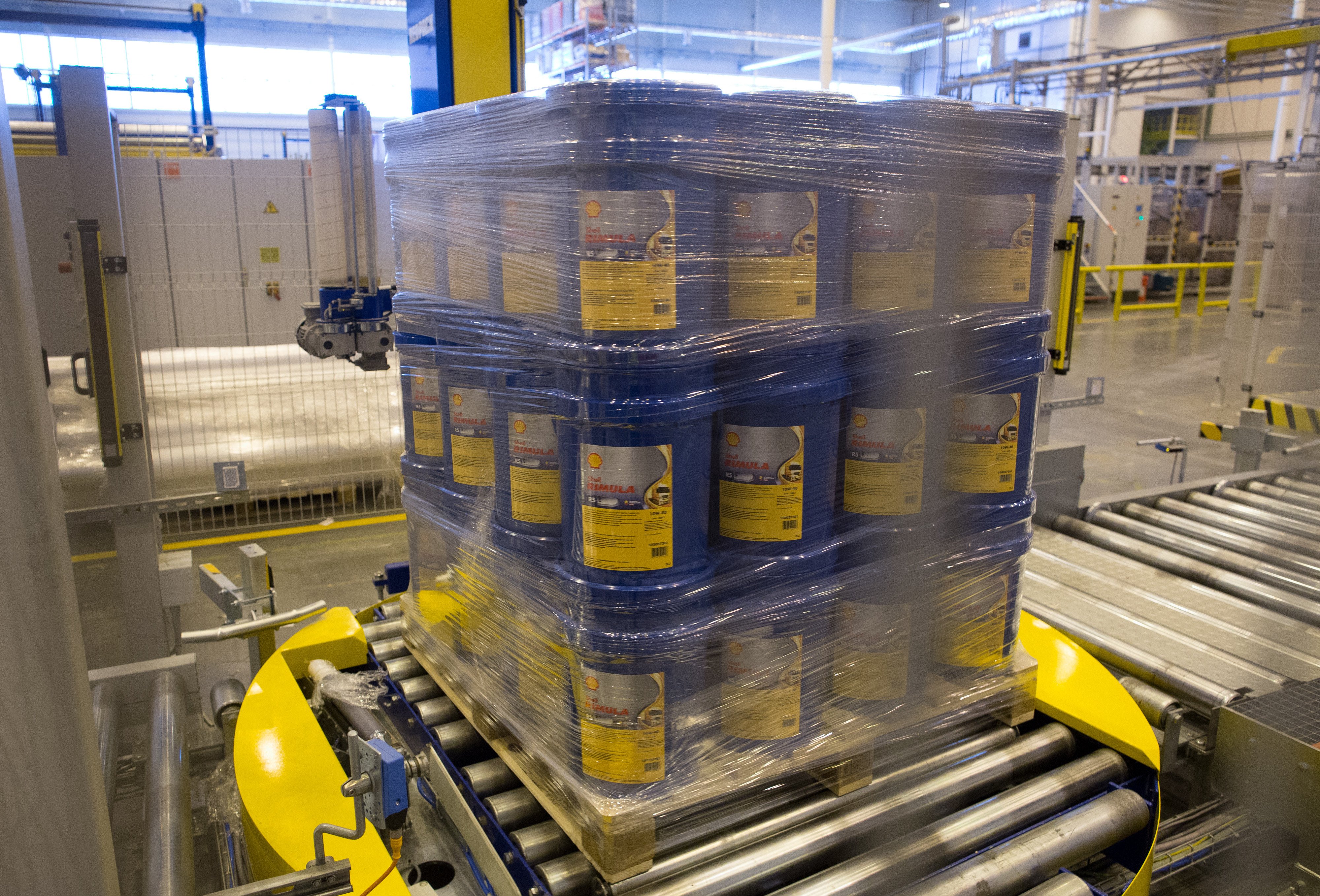
Ukrainian drone strikes on Russian oil refineries have contributed not only to disruptions in fuel supplies but also to shortages and sharp price increases for automotive lubricants, The Moscow Times reported on August 19, citing Kommersant.
Over the past two months, prices for some lubricants have risen by 50% to 100%, while delivery times have increased from around two days to as long as two weeks, according to Vladimir Andreev, a representative of automotive marketplace Fresh.
We bring you stories from the ground. Your support keeps our team in the field.
Andreev said the company purchases motor oil from Russian producers in 200-liter barrels but is increasingly struggling to obtain commonly used products. Some varieties are no longer available directly from manufacturers, forcing the company to purchase previously supplied stocks from intermediaries.
Market participants attributed shortages of domestically produced lubricants partly to unscheduled maintenance at Russian oil refineries, as well as restrictions affecting the availability of certain raw materials, including components used in coolant production, according to The Moscow Times.
Russian manufacturers are also facing shortages of imported additives required for lubricant production. While base oils have traditionally been produced domestically in sufficient quantities, many of the necessary additives have been sourced from abroad, Andreev said.

Supply problems are also affecting imported motor oils. Yulia Trushkova, service director at Russian automotive company Rolf, said shortages have been particularly noticeable among premium brands, including Shell, Castrol, BMW, and VAG products.
Tatiana Ovchinnikova, director of the Fit Service automotive repair network, said disruptions to international logistics have periodically caused certain types of oil to disappear from the Russian market.
At the same time, problems with gasoline quality are contributing to higher demand for lubricants. Dmitry Prokofiev, external communications director at NEFT Research, said vehicles running on Euro-2 and Euro-3 gasoline with higher sulfur content require oil changes 1.5 to two times more frequently, as reported by The Moscow Times.
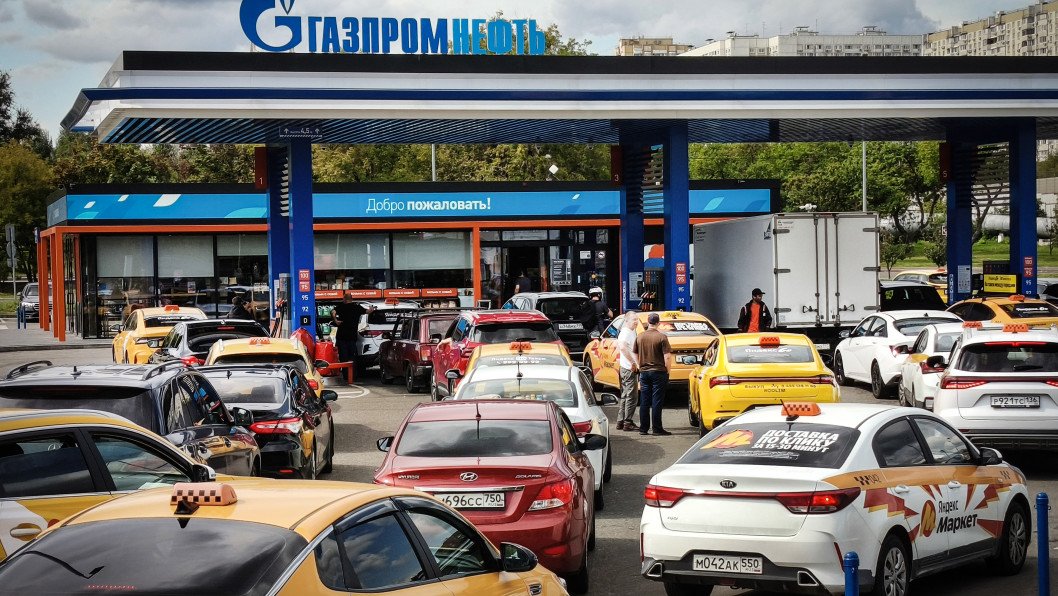
The combination of tighter supplies and stronger demand has driven prices higher. According to Ovchinnikova, automotive oil prices have increased by around 15% to 20% since the beginning of the year, while some products have risen by as much as 40%. Fit Service data indicate that prices for imported lubricants have doubled.
Ukrainian drones targeted the Bashneft-Ufa Oil Refinery in the Russian city of Ufa, causing a fire at a facility within one of the country’s major refining hubs, which has an annual processing capacity of around 23.5 million metric tons of crude oil.
Khabirov first reported the strike earlier that morning, saying that a drone attack had sparked a fire at one of Ufa’s refinery units.
Discuss this article:



-c439b7bd9030ecf9d5a4287dc361ba31.jpg "Photo of Katherina Popilnichenko")



-72b63a4e0c8c475ad81fe3eed3f63729.jpeg "Photo of Cyril Barabaltchouk")