- Category
- World
Under Sanctions, Russia Turns to Africa With Plans to Relocate Industrial Production
 Prefer U24 Media on Google
- Authors


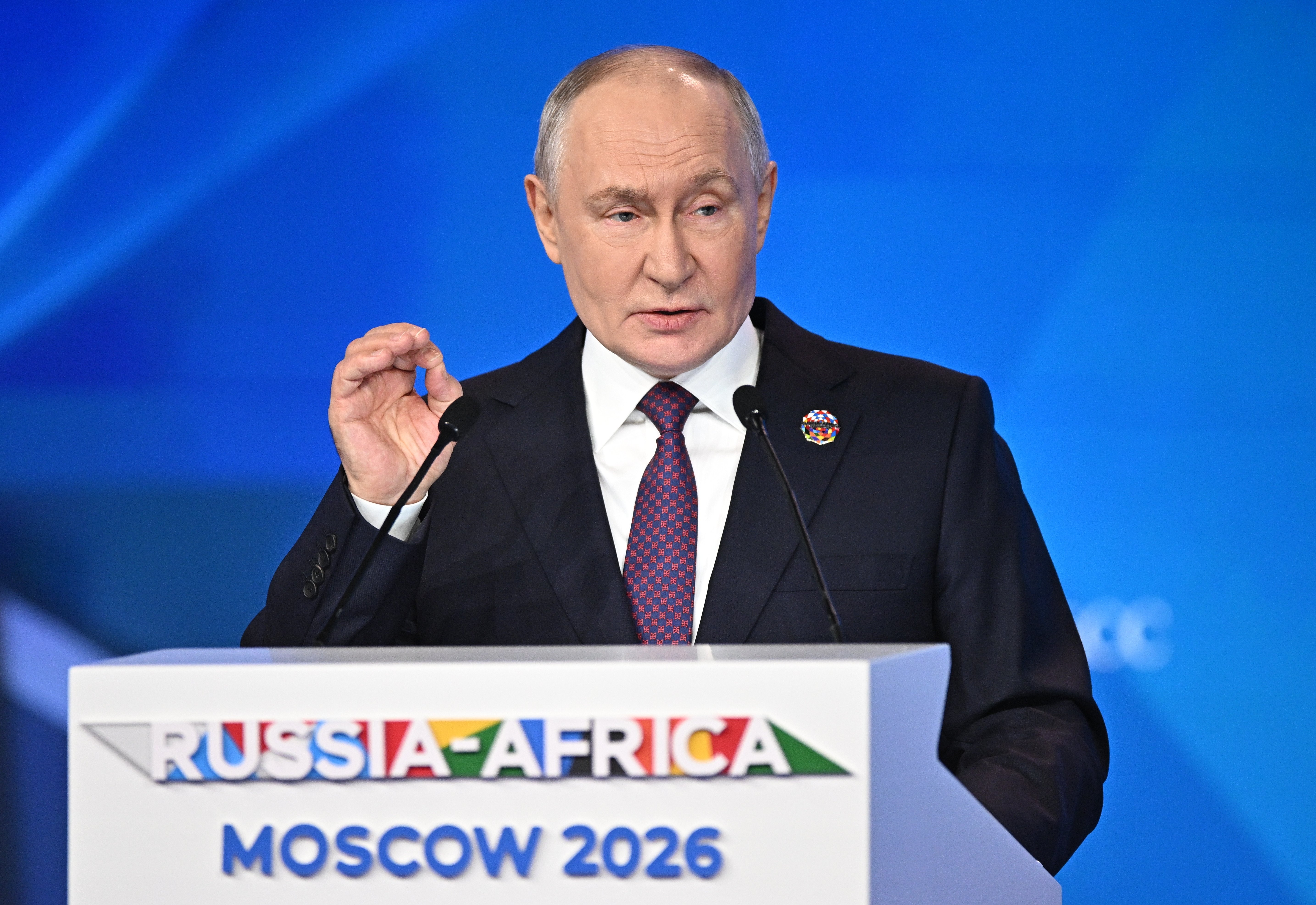
Russia is ready to move part of its industrial enterprises to Africa, Russian leader Vladimir Putin announced on October 29, The Moscow Times reported the same day.
We bring you stories from the ground. Your support keeps our team in the field.
"This fully corresponds to Russia's interests, especially today, when numerous sanctions are being applied to the Russian economy and Russian enterprises," Putin stated at the Russia-Africa forum. He described the investment potential of Russian companies as "fairly high" and added that "there is work to be done here."
Putin stressed that investments in African countries must be "reliable and protected." Plants would then operate "regardless of the foreign policy situation," he explained.
He was responding to Burundian President Évariste Ndayishimiye, who argued that Africa must go beyond exporting raw materials and importing finished goods.
"We must develop our own industrial potential, modernize our agriculture, strengthen our energy infrastructure and logistics routes, and invest more in research and technology development," Ndayishimiye told the forum. He emphasized that Africa should become "a real market for production and sales" rather than remain a consumer market.
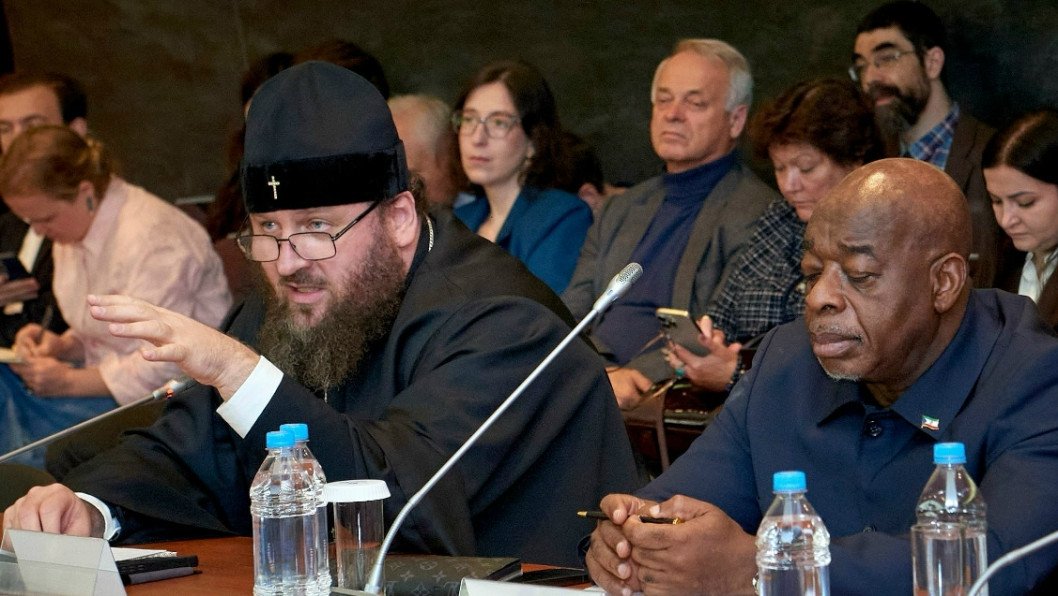
A day earlier, Putin told 22 African leaders, including those of Ethiopia, Zimbabwe and Mali, that Russia had achieved "impressive results" in high technology. He said Moscow was ready to share its know-how with its "African friends." Competitors "have to catch up with us in some areas and copy our developments," he emphasized.
Russian ministers and state companies have since set out their own offers. Economic Development Minister Maxim Reshetnikov announced that Russian companies were ready to manufacture goods in African countries under industrial cooperation.
"The main message we bring to Africa is: let's ensure sovereign development together," he stated. Reshetnikov proposed cooperation in pharmaceuticals and IT solutions. Industry and Trade Minister Anton Alikhanov expressed readiness to develop automobile manufacturing in partnership with African partners.
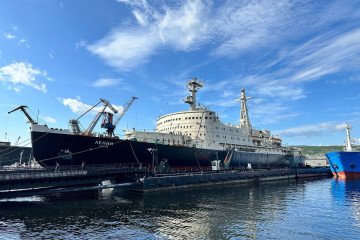
Rosatom proposed building floating nuclear power plants in coastal African countries. "As a starting step, a source such as a floating nuclear power unit could be a good entry point to both solve their tasks and join the nuclear club," a representative of the state corporation explained.
Russia's largest liquefied natural gas producer, Novatek, offered African countries its own production technology, proven on Arctic projects. Aluminum giant Rusal signed a memorandum with Ghana on a joint venture to mine and process bauxite, the raw material for aluminum.
Moscow's push into African markets follows steep losses in its traditional energy trade since the full-scale invasion of Ukraine. Gazprom has lost more than half of its exports outside the former Soviet Union, with Russian gas exports expected to total about 77 billion cubic meters in 2026, down from 185 billion in 2021.
Exports are projected to fall to 72 billion cubic meters by 2028 once the EU gas embargo takes effect, a level last seen in the second half of the 1980s. Efforts to offset the losses through a major new supply deal with China have stalled over pricing, leaving talks on the proposed Power of Siberia 2 pipeline suspended.
Discuss this article: