- Category
- World
US Patriot Batteries Go Into “Machine-Gun Mode” Against Iranian Ballistic Missile Attack, Video
 Prefer U24 Media on Google
- Authors


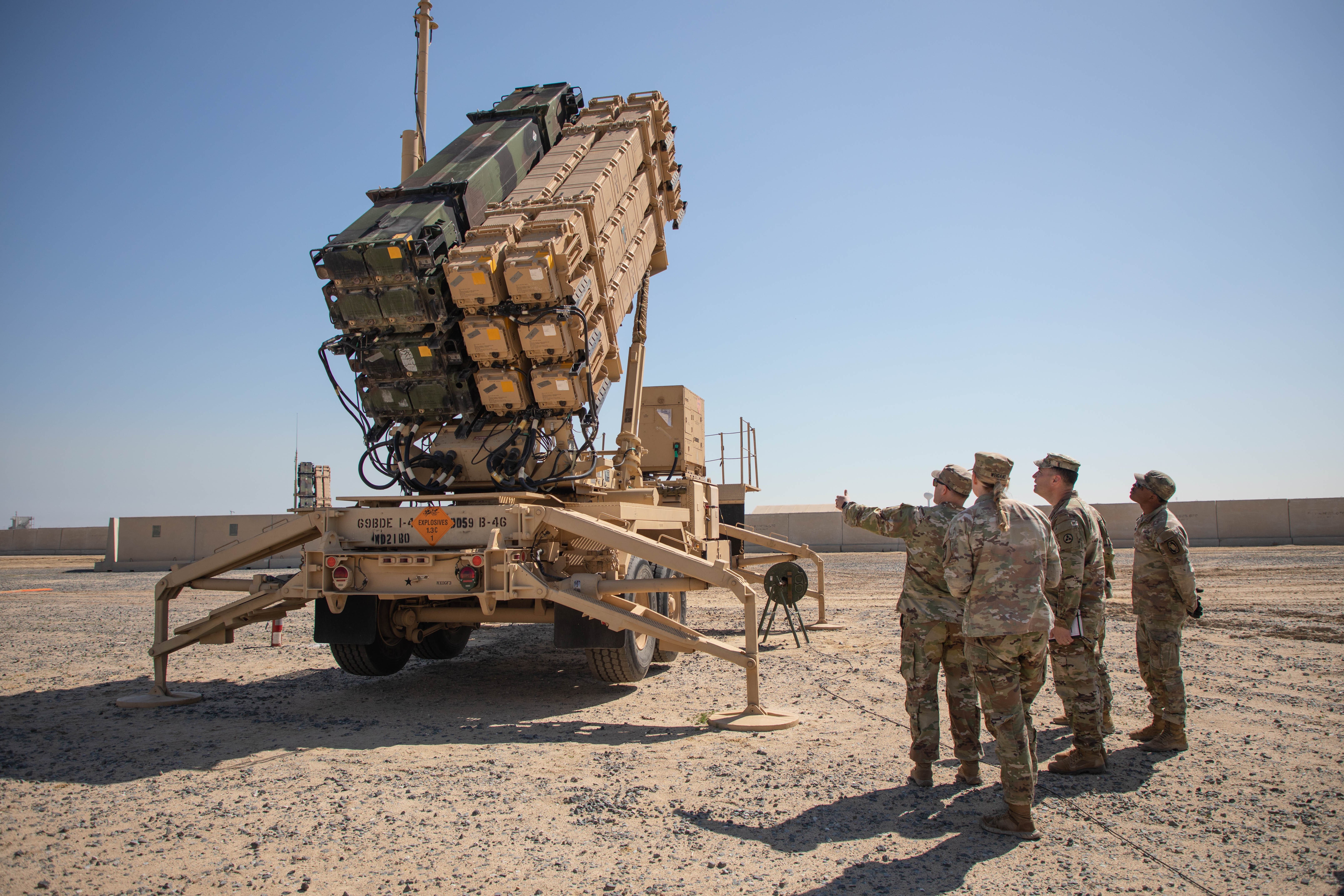
US-operated Patriot batteries may have fired roughly 60 interceptor missiles to counter an Iranian barrage of just 20 ballistic missiles over Jordan, highlighting the enormous ammunition demands involved in defending against sustained ballistic attacks, Defense Express reported on September 9.
Iran struck Muwaffaq Salti Air Base in Jordan overnight, a facility used by US forces. Jordanian authorities said air defenses intercepted 18 of 20 incoming ballistic missiles, while two fell before reaching their intended targets.
We bring you stories from the ground. Your support keeps our team in the field.
Footage from the attack, however, provides an unusually revealing look at how intensely Patriot batteries were operating during the engagement.
Defense Express estimated from available videos that approximately 60 Patriot interceptors may have been launched during the defense. Claims circulating online that as many as 100 were fired appear exaggerated, the outlet noted.
Even the lower estimate would mean roughly three interceptors launched for every Iranian ballistic missile in the salvo, although the exact number of Patriot missiles fired has not been officially confirmed.
Footage of an American Patriot SAM battery engaging a massive incoming salvo of Iranian ballistic missiles over Jordan earlier tonight. pic.twitter.com/qGaTrbxsUE
— OSINTtechnical (@Osinttechnical) September 9, 2026
Defense Express described several Patriot batteries as effectively operating in a “machine-gun” mode as they attempted to defeat the incoming missiles.
Video from the attack also appears to show Iran using ballistic missiles carrying cluster submunitions, adding another layer of difficulty to the interception effort.
The scale of Patriot expenditure is particularly notable because the systems protecting the area are believed to be operated by US forces rather than Jordanian crews.
Additional footage of a PATRIOT battery conducting a massive ballistic missile engagement over Jordan tonight.
— OSINTtechnical (@Osinttechnical) September 8, 2026
Well over a dozen interceptors can be seen engaging incoming Iranian ballistic missiles. pic.twitter.com/u69lJKtFJ7
Jordan has never publicly declared Patriot systems as part of its own inventory. The United States, however, has deployed Patriot batteries in the country when necessary to defend US facilities and support Jordanian airspace protection.
That distinction matters, Defense Express noted.
Previous cases of unusually high Patriot interceptor consumption against Iranian ballistic attacks could potentially be explained by limited experience among foreign operators.
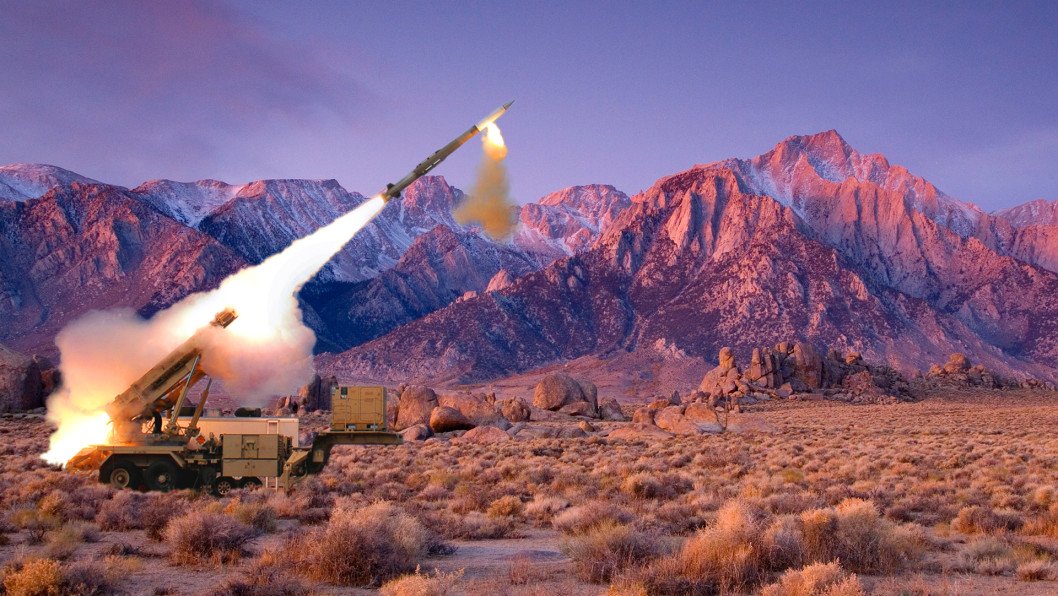
US air-defense personnel have already spent more than six months responding to repeated Iranian ballistic missile attacks against American military installations since the beginning of Operation Epic Fury on February 28.
The crews therefore have substantial practical experience with this particular threat environment.
If the estimate of roughly 60 Patriot interceptors is accurate, the September 9 engagement illustrates that high missile consumption may be an inherent feature of defending against modern ballistic salvos rather than simply a consequence of inexperienced operators.
Additional footage of tonight's massive Iranian ballistic missile attack on Muwaffaq Salti Airbase in Jordan via @kimhvik2.
— OSINTtechnical (@Osinttechnical) September 8, 2026
More than 60 PATRIOT interceptors were fired. Multiple Iranian cluster-munition MRBMs can be seen incoming. pic.twitter.com/XNMtW1s94h
For Ukraine, which relies heavily on Patriot to stop Russian ballistic missiles, the episode also underscores a familiar problem: successful air defense can consume enormous quantities of some of the world’s most expensive and difficult-to-produce interceptors in a matter of minutes.
As Defense Express noted, the question is therefore not only whether Patriot can stop ballistic missiles, but how many interceptors must be available when a sustained barrage arrives.
Earlier, reports emerged that US forces may have used as many as 96 to 128 PAC-3 interceptor missiles in a single night while defending military bases in Jordan from an Iranian ballistic missile attack—potentially consuming up to 17% of estimated US stocks.
Discuss this article:
-9a7b3a98ed5c506e0b77a6663f5727c5.png)


-c439b7bd9030ecf9d5a4287dc361ba31.jpg "Photo of Katherina Popilnichenko")



-72b63a4e0c8c475ad81fe3eed3f63729.jpeg "Photo of Cyril Barabaltchouk")