- Category
- World
War Veterans May Fill 20% of Russia’s Next Parliament
 Prefer U24 Media on Google
- Authors

-c439b7bd9030ecf9d5a4287dc361ba31.jpg "Photo of Katherina Popilnichenko")
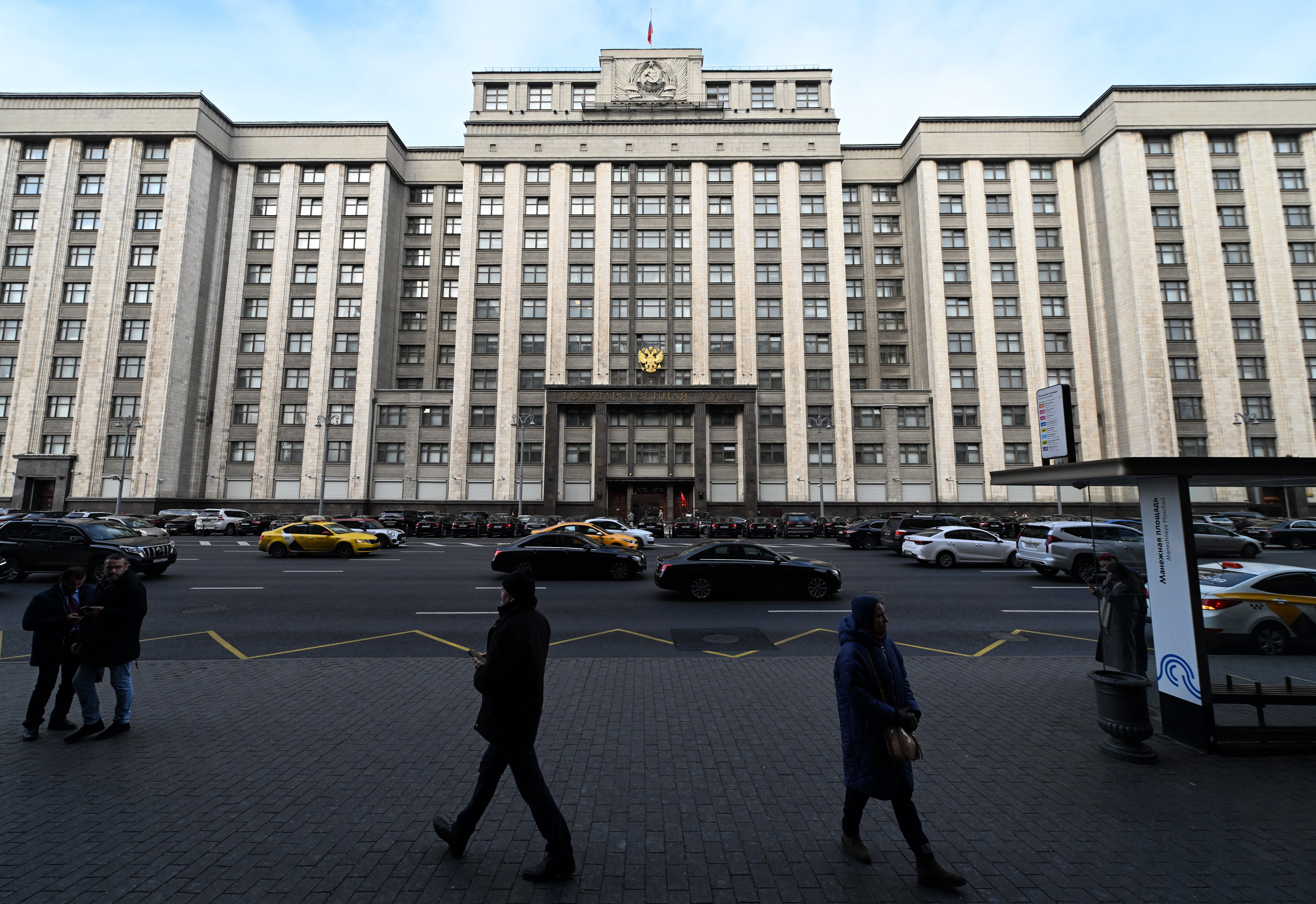
The next Russian State Duma may see a significant shift in its composition, with approximately 100 seats expected to be filled by individuals who participated in Russia’s full-scale invasion of Ukraine.
Тhis would mean that more than 20% of the 450-seat parliament could consist of participants from the war. The ruling United Russia party is focusing on introducing new faces who have not previously been involved in federal politics, according to RBC on May 8.
We bring you stories from the ground. Your support keeps our team in the field.
Sources close to the presidential administration and within United Russia indicate that between 40 and 50 war participants will be included in the party’s winning lists.
This figure does not include current deputies who have already served in the war. If United Russia maintains its current 311 seats, these participants would represent at least 12–13% of their faction, with a potential reach of 15%.
The influx of military participants has prompted discussions within the party and the presidential administration regarding their integration. Some officials view the high number of veterans as a potential management risk for the future parliament.
Proposals have included creating a dedicated committee for veteran support or forming a specific internal group. However, current leanings suggest that veterans will be distributed among existing committees, such as defense and social policy.
Vladimir Putin has previously referred to those fighting in Ukraine as a “new elite” to whom Russia could be handed over, and he has called for their increased employment in government roles.
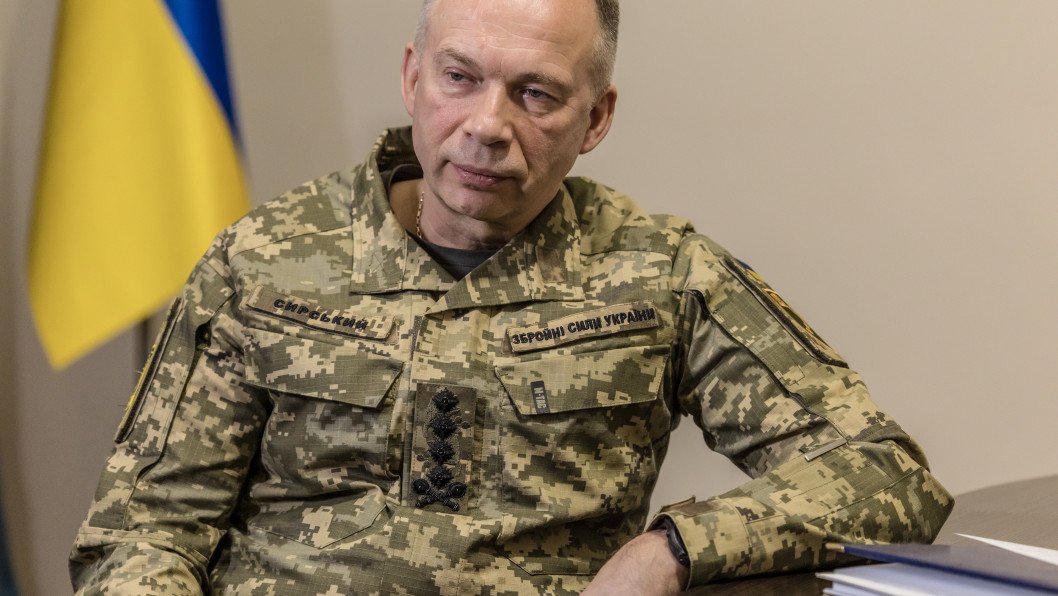
These “heroes of the SVO ” are not entering the executive branch “where the money is,” nor are they entering financial-industrial groups “where the real masters of Russia are,” but are instead placed in a “powerless representative power,” аs one of the current deputies explained.
This transition follows a period in 2024 where almost all military participants lost in the United Russia regional primaries.
By May 2026, the Russian Presidential Administration had reportedly begun developing a strategic narrative to frame a potential conclusion of Russia’s full-scale invasion of Ukraine as a victory.
Internal discussions, led by First Deputy Chief of Staff Sergey Kiriyenko, emphasized the mounting risks of continuing the war, including the potential for resource exhaustion and a worsening demographic crisis.
To manage public perception, officials planned to shift the war's official goals, focusing on the occupied territories while claiming that initial objectives like "denazification" had already been achieved through combat. The strategy also included plans to manage returning veterans by redirecting them toward reconstruction projects or foreign missions to prevent internal instability.
Discuss this article:


-72b63a4e0c8c475ad81fe3eed3f63729.jpeg "Photo of Cyril Barabaltchouk")