- Category
- Anti-Fake
Ukraine’s Biggest Anti-Corruption Cases Expose a System That Works
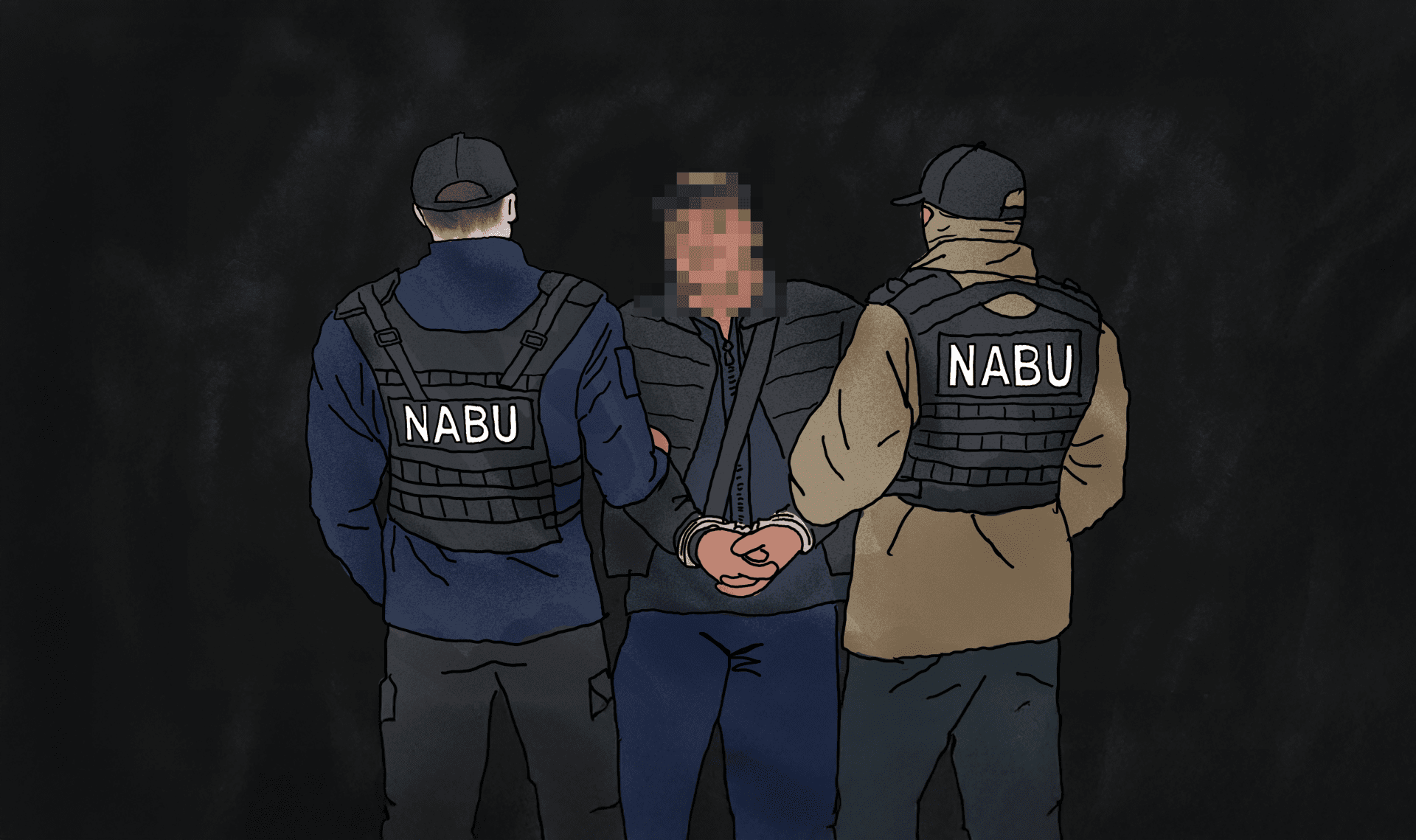
Ukraine’s anti-corruption agencies announced this week the high-profile “Midas” operation—a reminder that in this country, corruption makes headlines precisely because it’s being confronted head-on. Even the highest offices are subject to scrutiny.
 Prefer U24 Media on Google
- Authors


“Fifteen months of work, over 70 searches, and all our detectives involved,” the National Anti-Corruption Bureau of Ukraine (NABU) reported. The operation “Midas” targeted procurement abuses at Energoatom, the state-run nuclear energy giant. The operation has already triggered suspensions in the Cabinet of Ministers and the dissolution of the company’s Supervisory Board. Searches are ongoing, and the investigation continues.
Corruption in Ukraine is well known—precisely because it is being addressed, the Organisation for Economic Co-operation and Development (OECD), a leading intergovernmental body, reports.
Ukraine’s anti-corruption system
The country’s anti-corruption system has been built from scratch into an independent ecosystem insulated from political power:
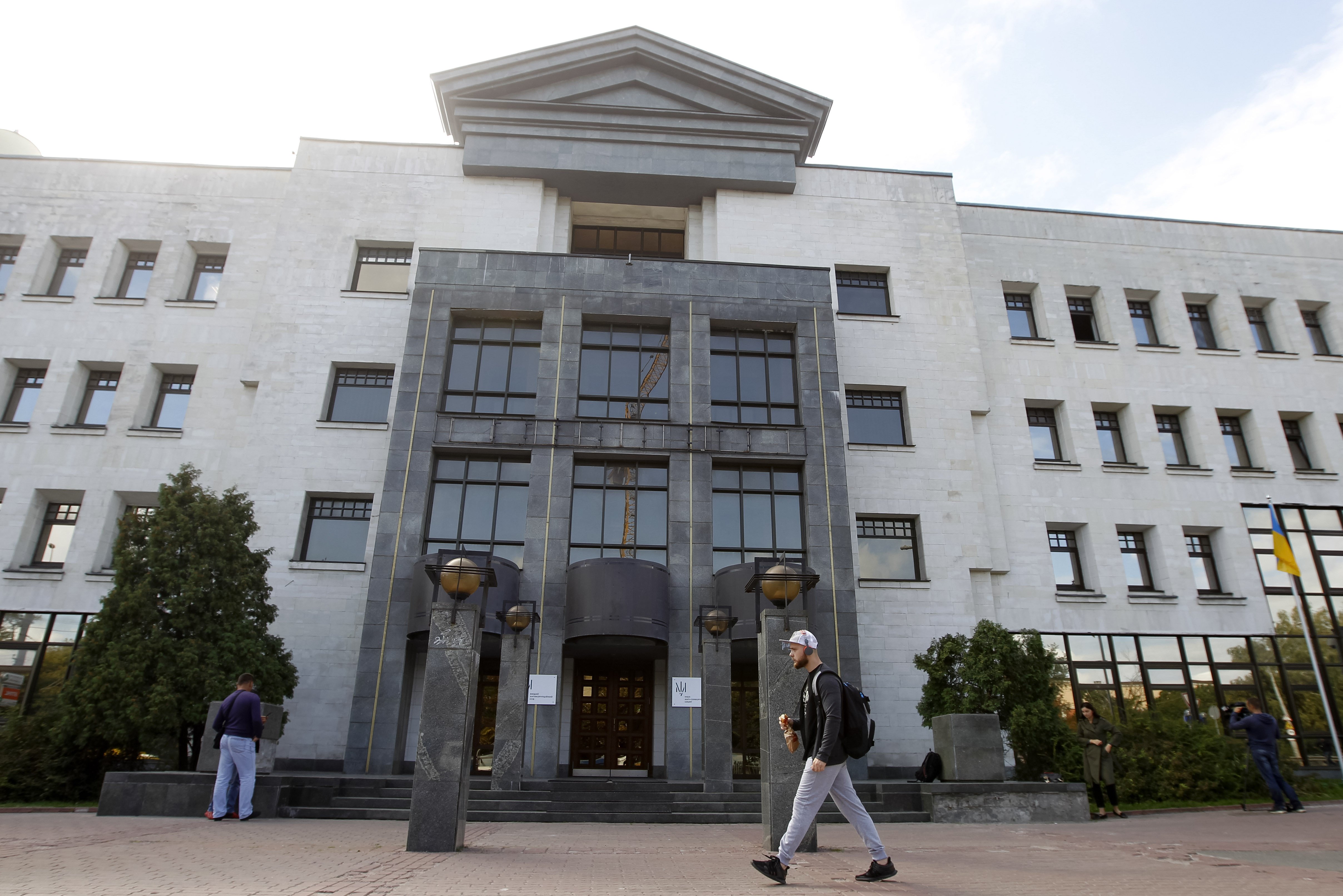
National Anti-Corruption Bureau of Ukraine (NABU)—investigates high-level corruption;
Specialized Anti-Corruption Prosecutor’s Office (SAPO)—prosecutes these cases in court;
High Anti-Corruption Court (HACC)—issues rulings on top-level corruption cases;
National Agency on Corruption Prevention (NACP)—focuses on prevention, asset declarations, lifestyle monitoring, and integrity policy.
Other institutions also play vital roles: the Economic Security Bureau, the Security Service of Ukraine (SBU), the National Police, the Asset Recovery and Management Agency (ARMA), as well as numerous NGOs and investigative journalists.
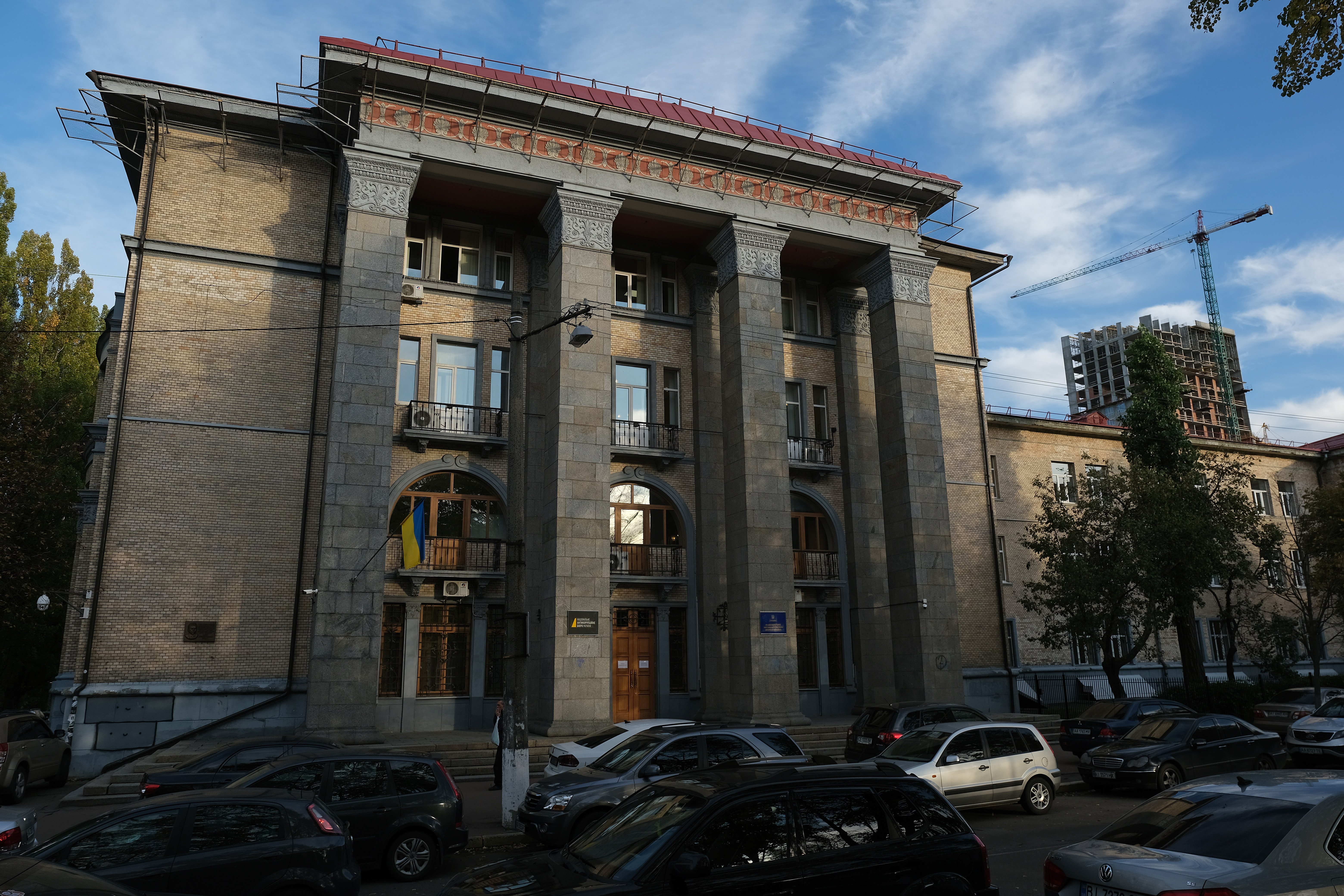
Each institution has its own mandate; together, they form a system of prevention, detection, investigation, and punishment. As a result, those who once saw themselves as untouchable no longer are.
By mid-2025, NABU and SAPO had identified 365 suspects, filed 696 indictments, and charged 1,429 individuals. The High Anti-Corruption Court, established just six years ago, has already issued over 300 verdicts.
Yet the biggest shift lies not in numbers, but in substance—even the highest-ranking officials can no longer expect to evade justice.
The judge and the millions
In May 2023, NABU detectives detained Vsevolod Kniazev, head of the Supreme Court of Ukraine, while he was receiving a $2.7 million bribe. The following day, NABU Director Semen Kryvonos stated that the payment was for a favorable ruling in a case involving businessman Kostiantyn Zhevago, the owner of the now-liquidated “Finance and Credit” bank. Zhevago denied the allegations.
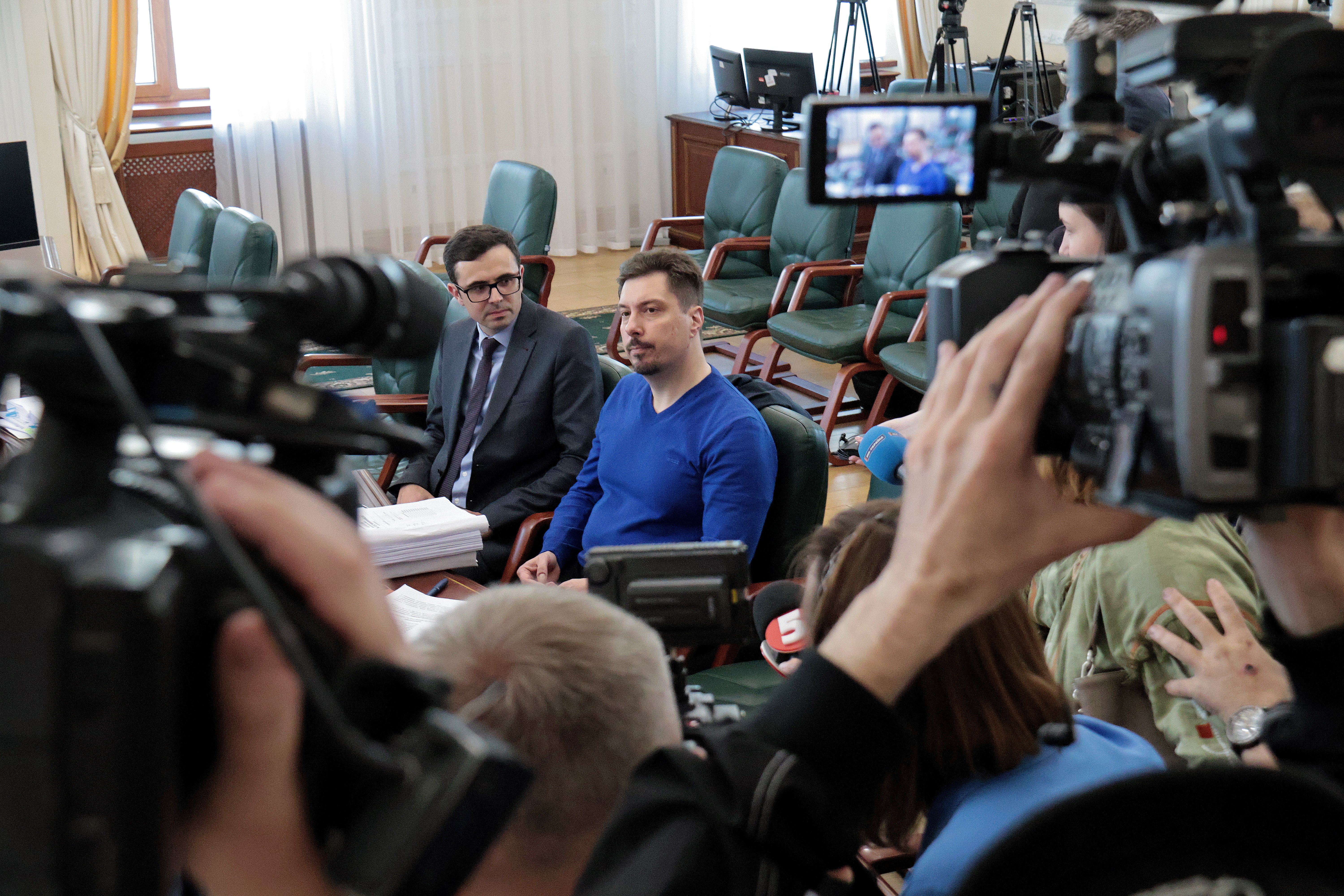
According to investigators, in early March 2023, Zhevago conspired with a lawyer connected to the Supreme Court to prevent the loss of shares in the Poltava Mining and Processing Plant. NABU and SAPO allege that Zhevago transferred $2.7 million to the lawyer — $1.8 million intended for judges, and the remainder as a facilitation fee.
In August 2023, Zhevago was formally charged, and in November 2024, the High Anti-Corruption Court ordered his arrest in absentia. The HACC Appeals Chamber later authorized a special pre-trial investigation against him.
The antimonopoly chief and the real estate
Prosecutors filed an indictment in July 2025 against Pavlo Kyrylenko, head of the Antimonopoly Committee of Ukraine, for illicit enrichment of ₴72.1 million and failure to declare assets.
This case originated from Ukraine’s RFE/RL investigation, which prompted NABU and SAPO to take action. Investigators stated that between 2020 and 2023, while serving as a regional governor, Kyrylenko purchased 21 properties and a BMW X3, registering them under his wife’s relatives.
Among the purchases were seven apartments in Kyiv and Uzhhorod totaling 688.5 m², a house near Kyiv (220 m²), three commercial premises, two garages, and six parking spaces. Investigators allege his legal income could not have covered such expenses, with the discrepancy amounting to more than ₴72 million. To conceal this, Kyrylenko omitted the property from his asset declarations for 2020–2023.
The tax official and the bank
In May 2025, prosecutors filed charges with the High Anti-Corruption Court against Serhii Bilan, the former First Deputy Head of Ukraine’s State Fiscal Service. He is accused of abuse of office that allegedly caused the state losses exceeding 641 million UAH ($15 million).
Bilan held his post from May 2015 to December 2019. Investigators say that between 2014 and 2016, employees of the state-owned Oschadbank abused their positions by applying an artificially low corporate tax rate for non-resident companies, 0–2% instead of the required 15%. When the bank’s complaint was filed with the fiscal service, Bilan and other officials intentionally delayed its review.
Due to these delays, the complaint was automatically approved in the bank’s favor, depriving the state of the right to recover over ₴641 million in taxes and penalties. Investigators believe the delay resulted from collusion between fiscal officials and Oschadbank staff.
Anti-corruption authorities say Bilan deliberately created the illusion that he could not sign the necessary decision, despite being the official authorized to do so. He is charged with abuse of power, which has led to grave consequences.
The High Anti-Corruption Court also found Bilan’s former boss, ex–head of the State Fiscal Service Roman Nasirov, guilty of abuse of office, which cost the state over 2 billion UAH ($47 million). He was sentenced to six years in prison.
The minister and the developer
On June 23, 2025, SAPO charged Oleksiy Chernyshov, Ukraine’s Deputy Prime Minister, with abuse of office and illicit enrichment amounting to ₴14.5 million. The case concerns events from 2022, when Chernyshov served as Infrastructure Minister. Investigators allege that he and subordinates unlawfully transferred a Kyiv land plot to a developer at an artificially reduced price—five times below market value.
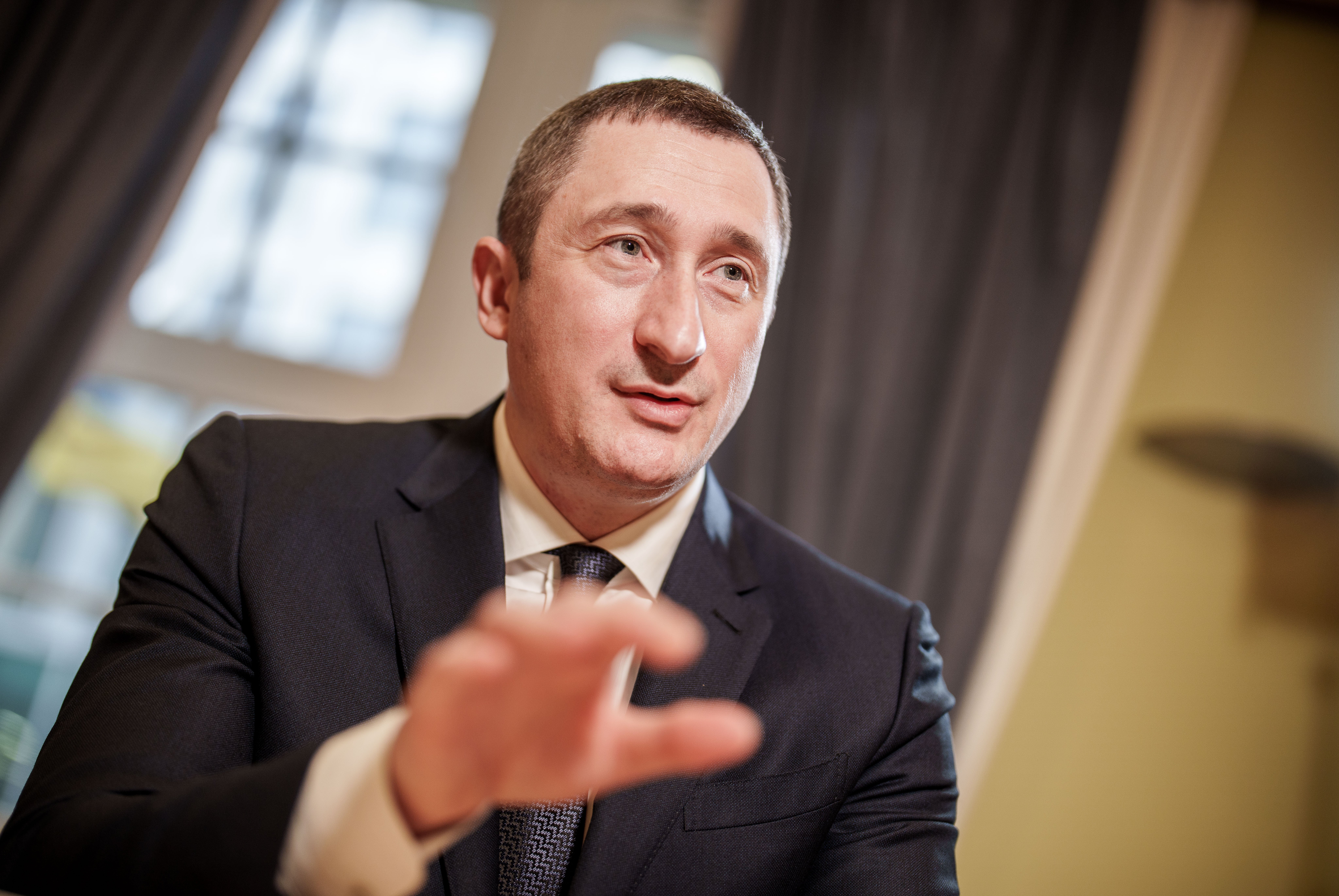
Prosecutors claim that three trusted associates of the minister registered eight apartments for just 900,000 UAH ($21,435), though their market value was around 15 million UAH ($357,256).
However, the scheme failed: in 2024, a court, at NABU’s request, froze the land, and construction never began. In addition, Chernyshov is the subject of the new “Midas” investigation.
The сustoms сhief and the hidden house
Asset declarations are a key tool in Ukraine’s anti-corruption effort. Officials are required to report their assets through a special online system, with approximately 700,000 declarations filed each year. The OECD has called Ukraine’s declaration system “among the region’s most advanced—comprehensive, transparent, fully digitised and supported by automated verification software.”
That transparency helped expose another possible offense. In January 2025, the acting head of Ukraine’s State Customs Service was notified of suspicion for failing to declare assets worth over $100,000. Journalists reported that the individual in question was Serhiy Zviagintsev.
SAPO states that in his annual declarations for 2021–2023, Zviagintsev failed to disclose a 237 m² house and a plot of land near Kyiv, both registered in the name of a relative of his wife but effectively owned and used by him.
He is accused of knowingly submitting false information in his asset declarations.
The MP and the land
In August 2023, NABU detectives caught a sitting Member of Parliament of the 9th convocation and his accomplices receiving an $85,000 bribe. Investigators stated that the money was intended to facilitate the lease of land owned by the National Academy of Agrarian Sciences.
According to the Anticorruption Action Center, the MP was Anatolii Hunko, who at the time chaired a parliamentary commission investigating corruption in the Academy’s state enterprises. Investigators said he had demanded a total of $221,000—$130 per hectare—but was caught immediately after receiving part of the sum.
In March 2025, the HACC found him guilty of fraud, attempted crime, and incitement to bribery, sentencing him to seven years in prison with confiscation of all assets.
Drones and defense schemes
In 2024–2025, Ukraine’s anti-corruption agencies investigated several cases involving military procurement abuses, including embezzlement within the State Service of Special Communications and Information Protection (SSSCIP) and schemes in the Defense Ministry.
One of the most high-profile cases involves two officials from the SSSCIP and two private company representatives, suspected of embezzling over ₴90 million during drone purchases for the Armed Forces.
NABU and SAPO state that after 30 billion UAH (now $714.5 million) was allocated from the 2023 state budget for drone procurement, a department head developed a scheme to buy drones at inflated prices. Controlled companies were used to simulate competition, while fabricated market research was used to justify the overpricing of products.
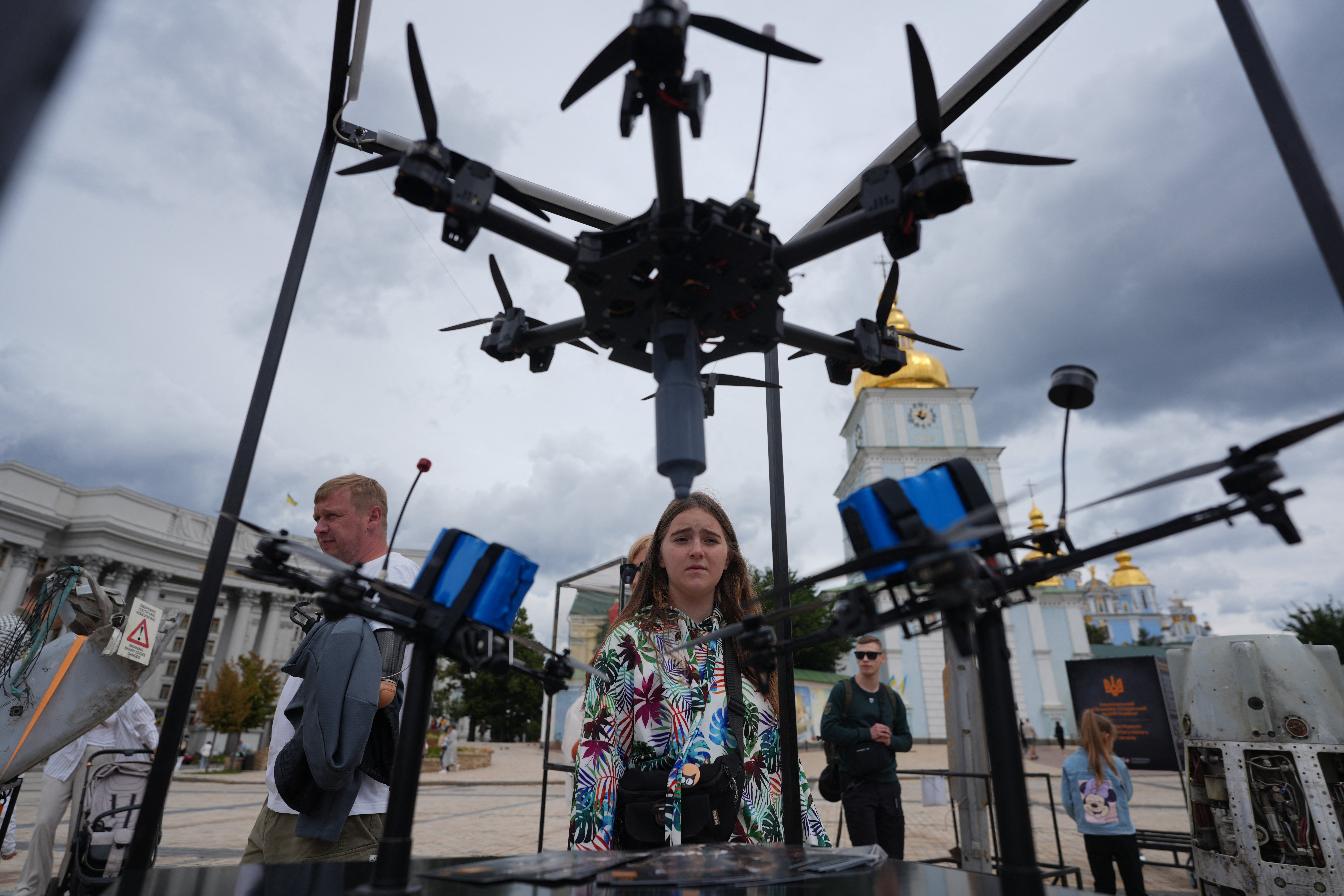
As a result, 400 DJI Mavic 3 and 1,300 Autel Evo Max 4T drones were bought at prices 70–90% higher than market value. The funds were then transferred to accounts of companies controlled by the scheme’s participants, according to the investigation.
Thanks to NABU and SAPO's actions, over $4 million in foreign accounts and 17 million UAH ($405,000) in Ukraine have been frozen. The suspects face charges of large-scale embezzlement, and the investigation continues.
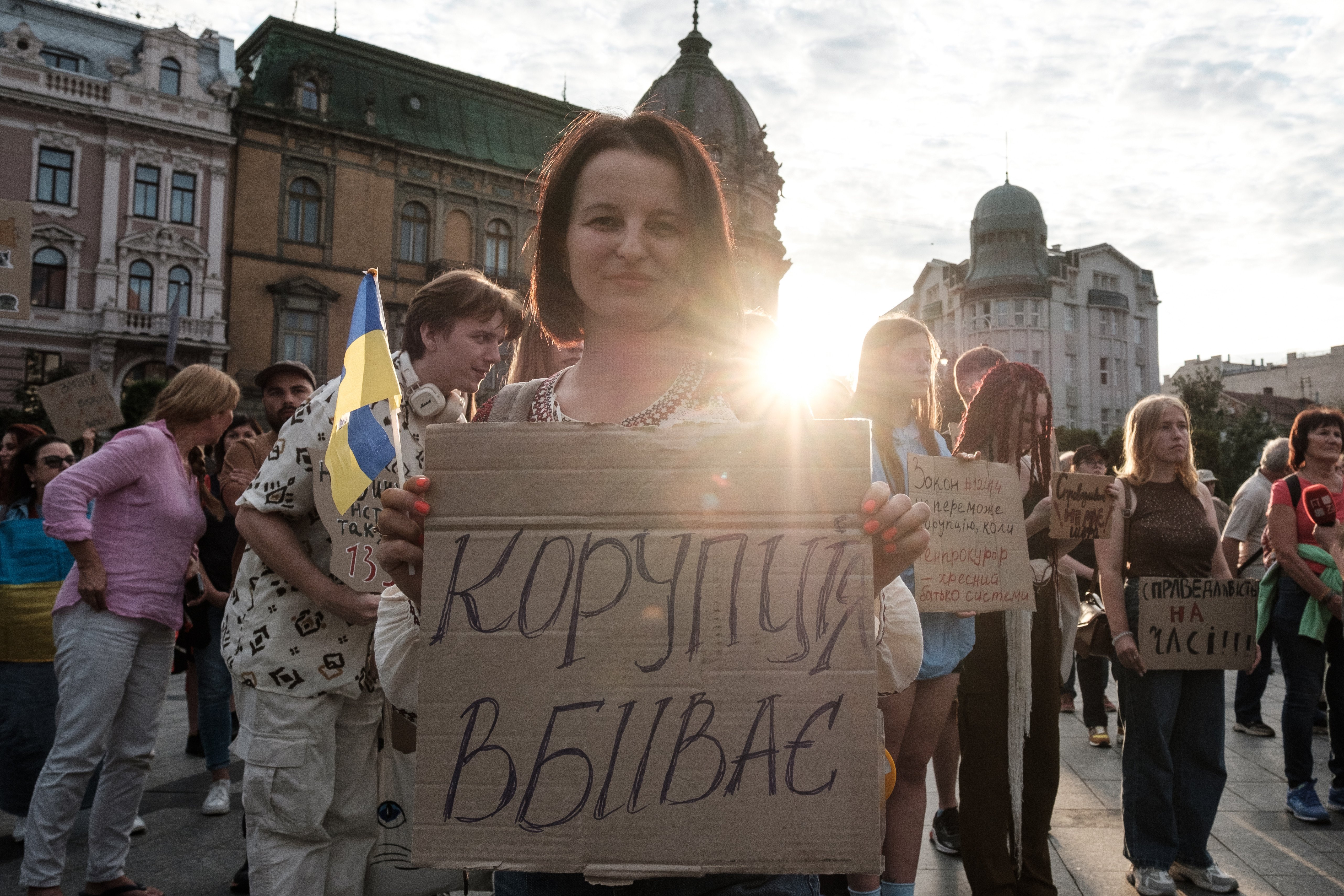
All these cases demonstrate that Ukraine’s anti-corruption system works—and no one is untouchable. When a crime is committed, punishment follows, whether the perpetrator is a minister, judge, or lawmaker.
International research confirms this progress. OECD reports that Ukraine’s anti-corruption policy score rose from 53 in 2023 to 91.9 in 2025, while institutional capacity increased from 78.6 to 92.7. Transparency International also reports steady improvement in Ukraine’s Corruption Perceptions Index.
Ukraine has made significant anti-corruption progress despite the challenges of Russia’s full-scale invasion. Notable achievements have been the launch of a modern, inclusive system for monitoring anticorruption strategy implementation, advances in whistleblower protection, and formal independence granted to the Specialized Anti-Corruption Prosecutor’s Office (SAPO).
OECD
Ukraine continues to fight corruption — regardless of names or titles.
Discuss this article:

-206008aed5f329e86c52788e3e423f23.jpg "Photo of Oleksandr Moiseienko")

-72b63a4e0c8c475ad81fe3eed3f63729.jpeg "Photo of Cyril Barabaltchouk")