- Category
- Culture
The “Ukrainian Season” Arrives: France’s Cultural Project Aims to Redefine Europe’s View of Ukraine

If you can’t travel to Ukraine but have always been curious about its culture, France just launched its “Ukrainian Season.” For the next four months, Paris and other cities will bring Ukraine’s cultural heritage to life—a vibrant, living testament to the cultural power of Ukraine. Led by the French Institute, this four-month event challenges outdated Soviet-era narratives and reclaims Ukraine’s often misunderstood identity.
 Prefer U24 Media on Google
- Authors

-554f0711f15a880af68b2550a739eee4.jpg "Photo of Lucile Brizard")
“We can’t encourage travel there right now, so we’re offering a virtual journey,” said Eva Nguyen Binh, president of the French Institute, which, along with numerous partners, organized the “Journey to Ukraine” in France.
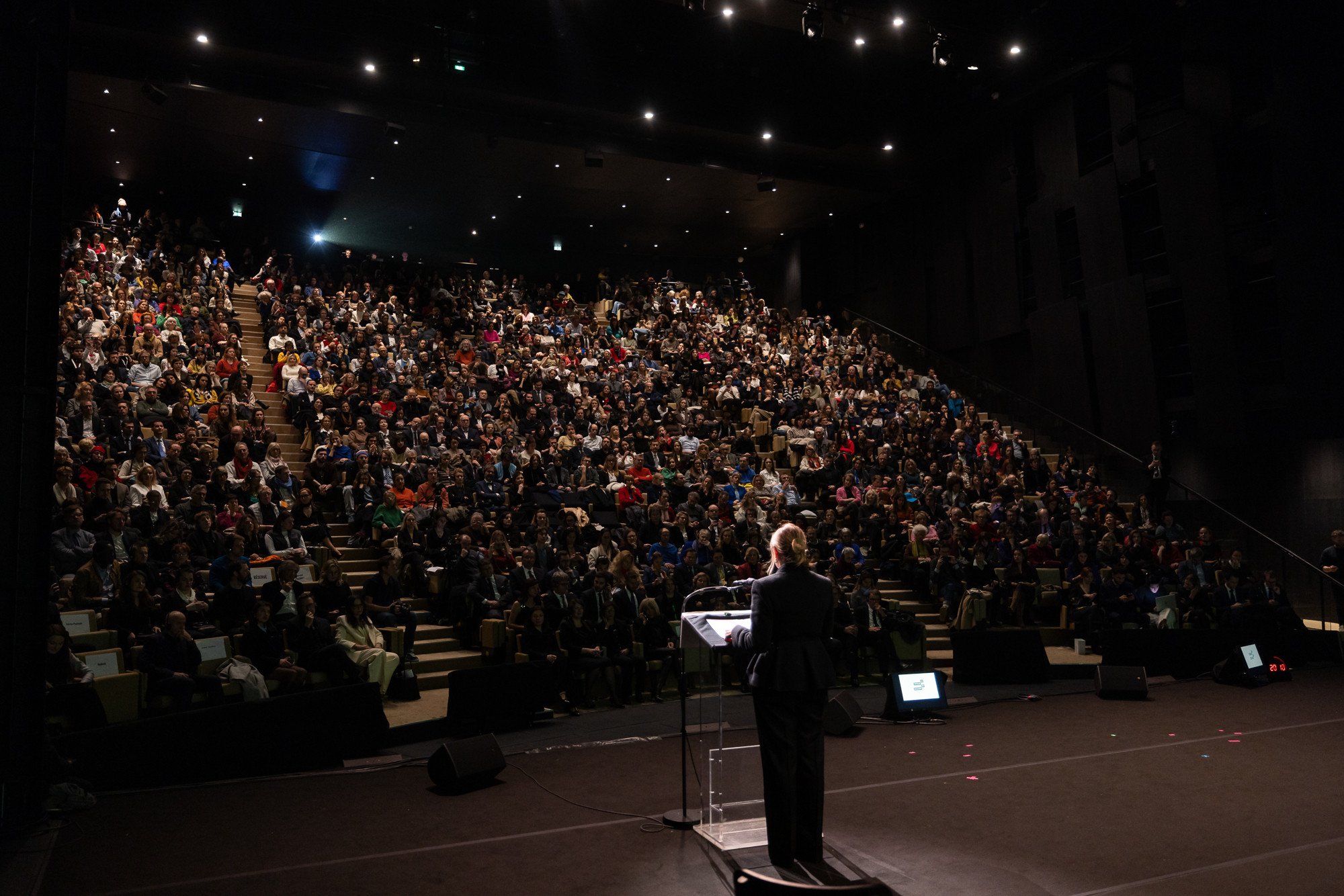
The four-month season, featuring the First Lady of Ukraine, Olena Zelenska, opened in Paris at Le Théâtre de la Ville on December 1st.
Journeys centered around cultural diplomacy
The Ukrainian Season will be the largest cultural project between Ukraine and France since the two countries established diplomatic relations, and it comes amid a push to enlighten European nations about Ukraine’s cultural landscape, which has long been convoluted by narratives inherited from the Russian Empire and the Soviet period.
In one such instance, Honoré de Balzac’s journey to Ukraine is documented in a chronicle that, upon investigation, is now found in France under the title “Russie Express.” In September 1847, Balzac traveled alone to Ukraine, never entering Russia, to meet Éveline Hanska, the woman he was deeply in love with, crossing the steppe to reach her estate. Yet, this piece of French-Ukrainian history—Balzac crossing Ukraine, even visiting Kyiv—continues to be presented to us through a Russian lens.
Rectification, however, only goes so far—Ukraine and France aim to do more than remove the layers of Russian influence shaping Western views of Ukraine. As the director of the French Institute in Ukraine, Guillaume Habert noted, the “Ukrainian Season” not only seeks to rectify the narrative but also steps beyond the typical stereotypes, hoping to present a more nuanced and contemporary portrayal of Ukrainian culture:
The idea is precisely not to present an overly folkloric image of Ukrainian culture, but rather to show its vitality and its modernity.
Guillaume Habert
Director of the French Institute in Kyiv
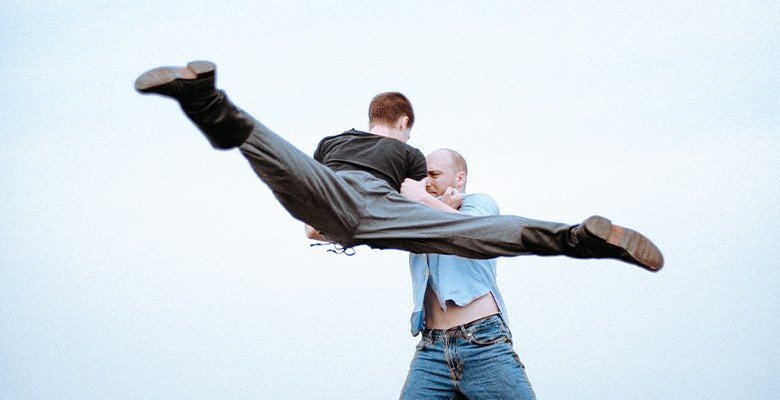
In a similar such move, the choreographer Olga Dukhovna imagines how the Hopak, the traditional Cossack dance might have evolved today if it had been able to develop freely over generations. A unique event showcased at the Palais des Beaux-Arts in Lille to be held on February 8, 2026 the dance aims to move beyond typical war narratives and Ukrainian folklore clichés.
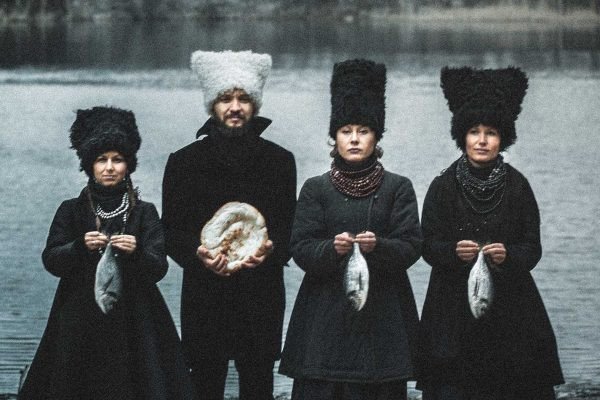
La Cinémathèque Française will hold a retrospective of thirteen films by Oleksandr Dovzhenko, one of the most important figures in Ukrainian cinema, with a screening of Earth (1930)—a film once banned in the Soviet Union for its themes and criticism. Dovzhenko remains strikingly under-appreciated outside Ukraine; although he worked within the Soviet system, he repeatedly collided with censorship and ideological pressure.
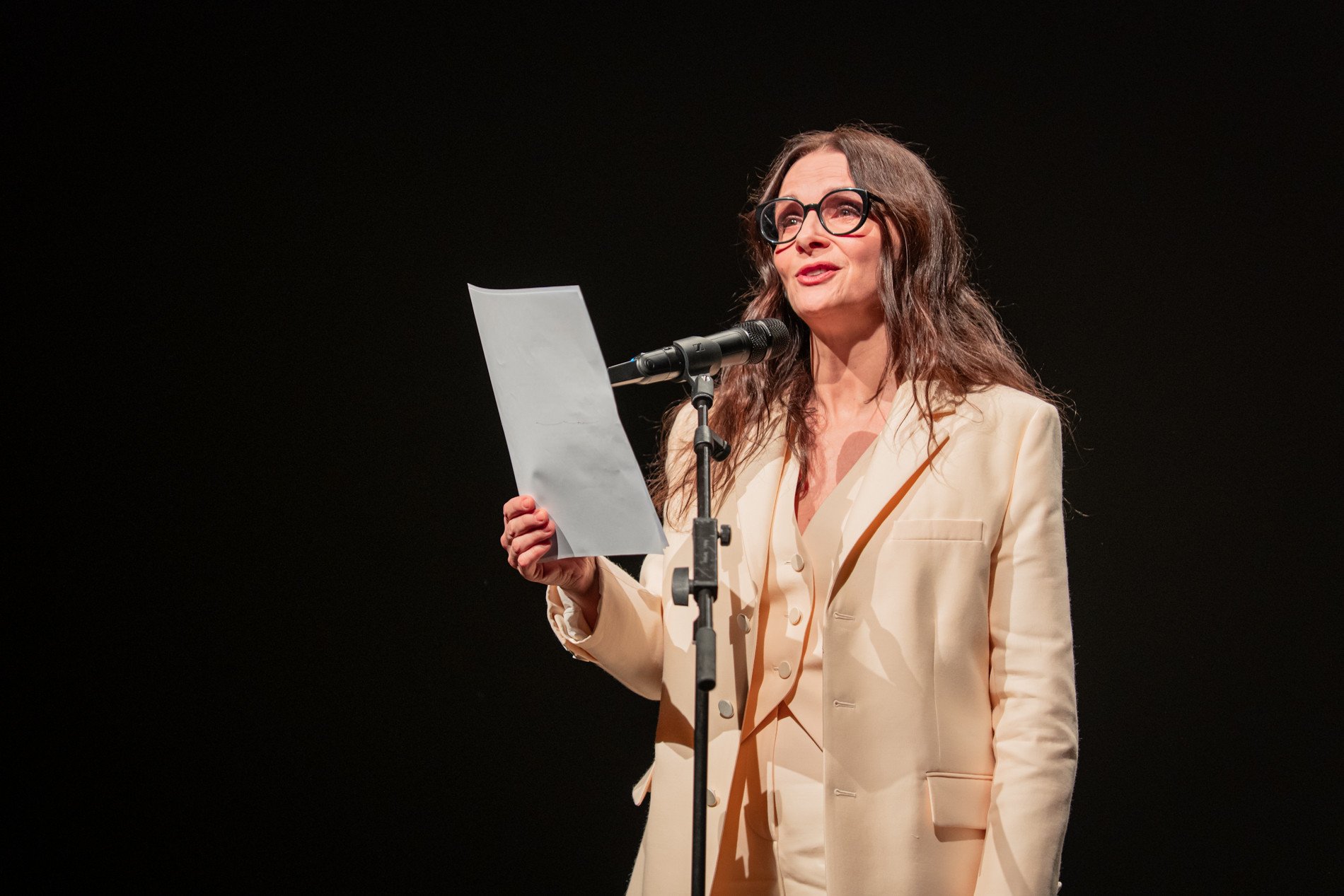
A four-day forum on human rights and Russian war crimes will gather figures including Maksym Butkevych, the human rights activist and former soldier, who was captured by Russian forces and released in October 2024, Oleksandra Matviichuk, a Nobel Peace Prize winner, and Stanislav Aseyev, a journalist who was imprisoned by Russian-backed militants in Donetsk from 2017 to 2019 and later documented life under occupation and authored the memoir In Isolation: Dispatches from Occupied Donbas.
Ukraine’s cultural renaissance within a European sphere
The political landscape in Paris, Brussels, and Berlin suggests a growing commitment to Ukrainian culture. Inside Ukraine, too, leaders seem to be recognizing what Habert calls “the existential dimension” of this cultural struggle.
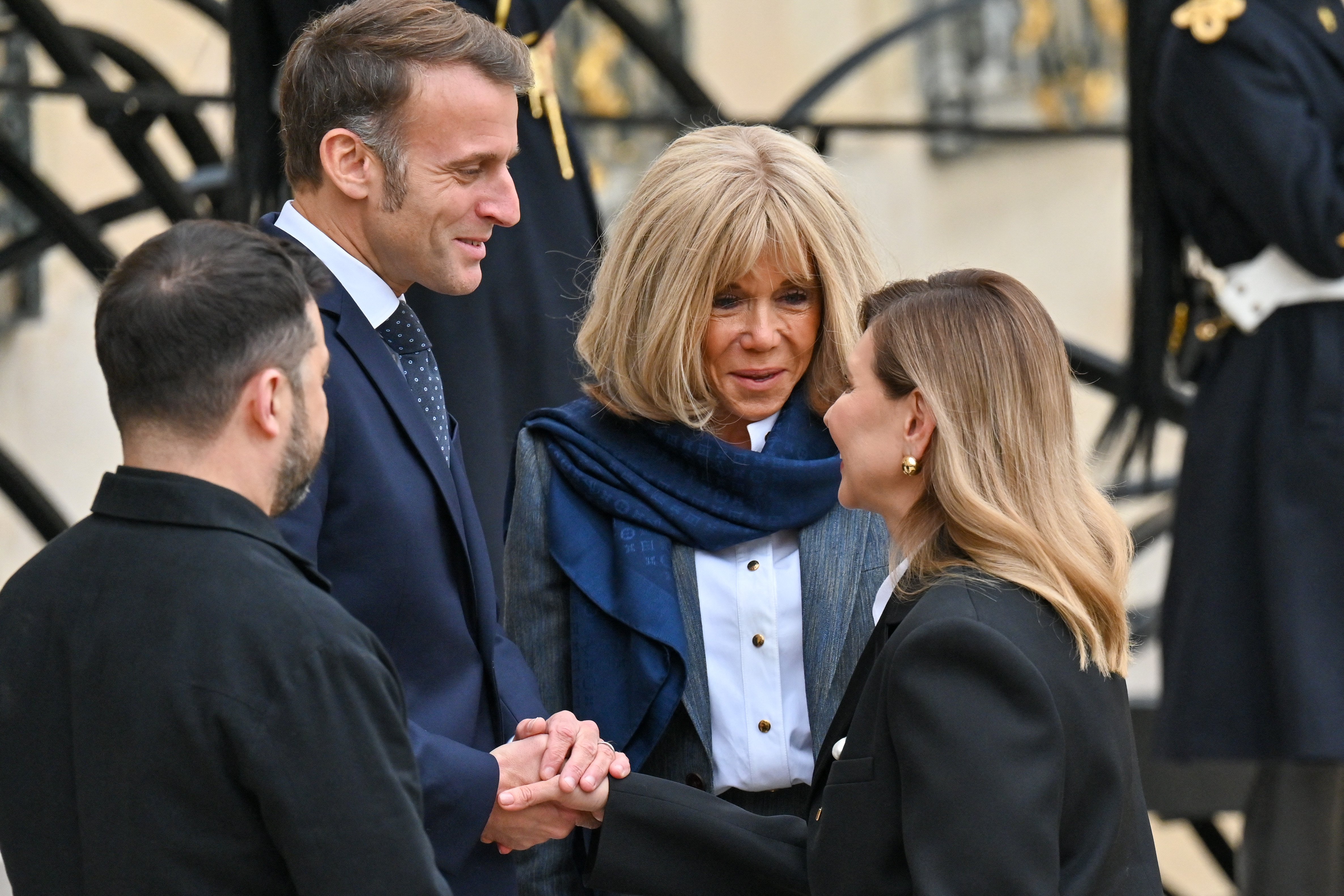
In light of this fact, and also present at the opening, were Ukrainian Foreign Minister Andrii Sybiha and his French counterpart, Jean-Noël Barrot. France’s First Lady, Brigitte Macron, was also present along with Paris Mayor Anne Hidalgo.
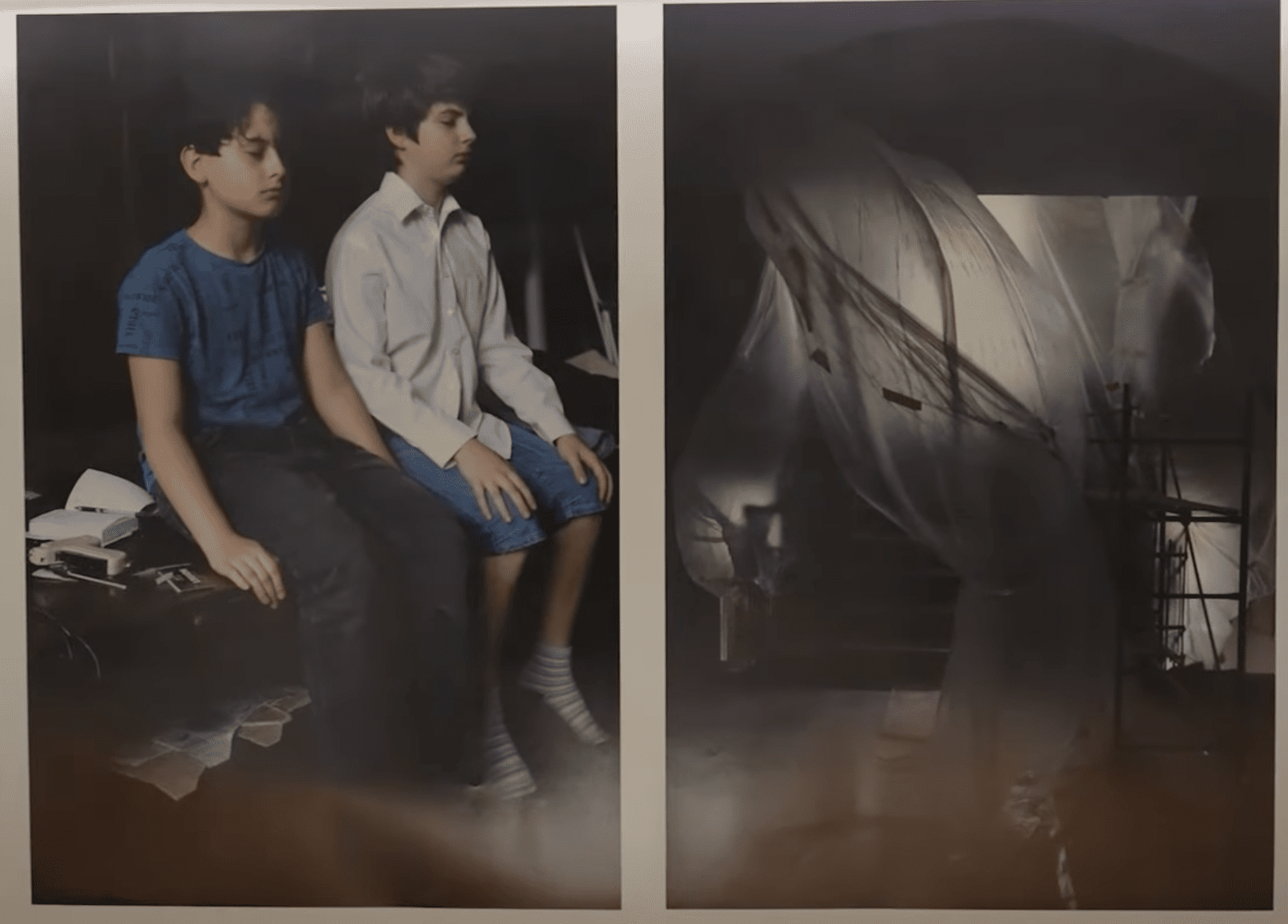
Zelenska acknowledged this crucial moment in Ukraine’s history, adding that when culture is heard abroad, “we understand that we are not alone.” Emphasizing the importance of culture in fostering understanding through emotions and building dialogue without the need for words.
From Paris to the world: Ukraine’s cultural power
Twelve French educational institutions joined the Global Coalition of Ukrainian Studies, and fifteen museums committed to introducing Ukrainian-language audio guides at major landmarks.
Volodymyr Sheiko, Director General of the Ukrainian Institute, said that this season is not decorative but fundamental. “We want to show that culture for Ukraine is not entertainment or luxury, but the core of our resistance.”
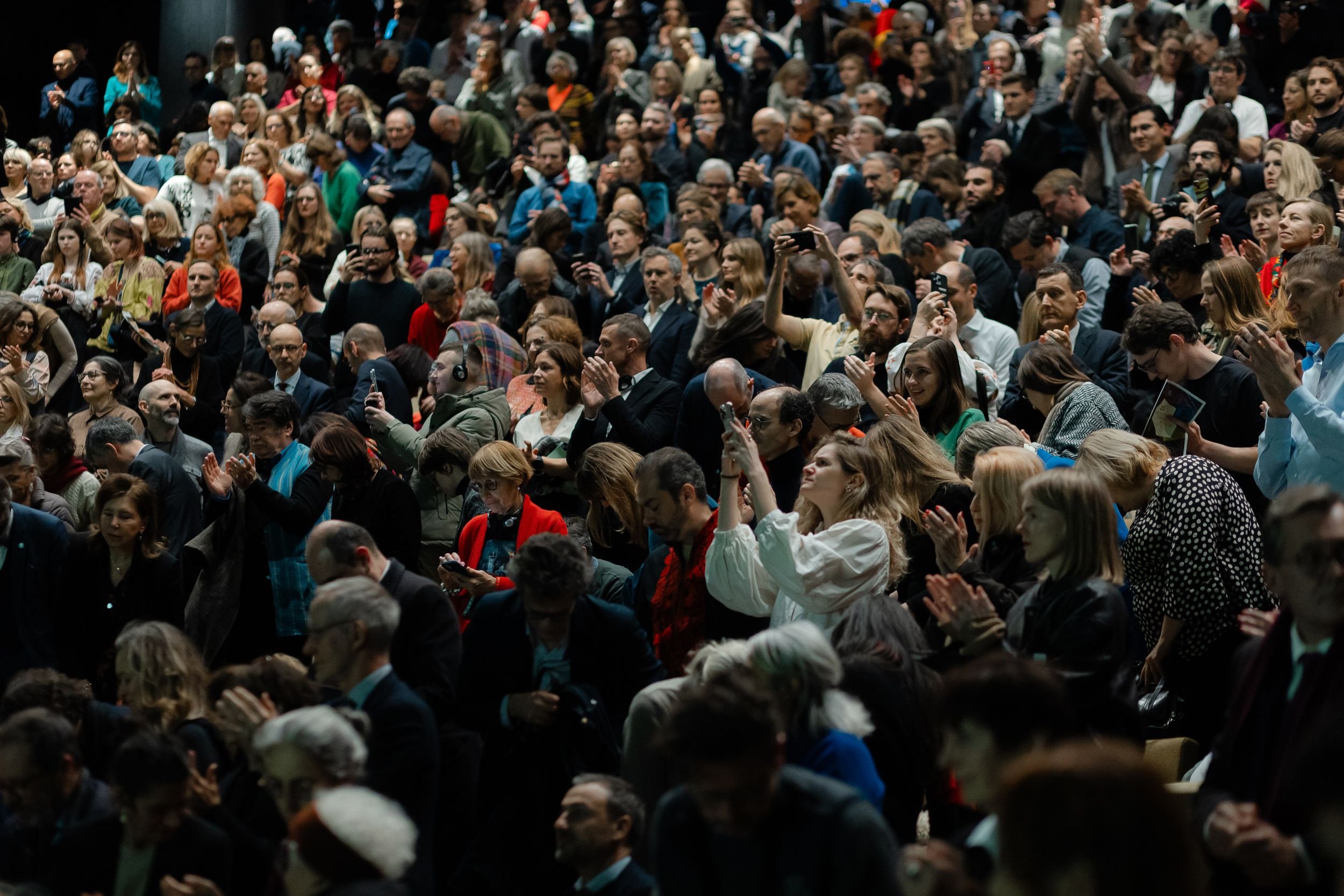
Hidalgo reminded the room that Parisian theaters and galleries had opened their doors to Ukrainian artists from the earliest days of the invasion. “Like never before, Ukraine is here in Paris, at home. In these times we are living through, one thing is certain: culture, artists, and art are more than ever an instrument of resistance for the sake of others. So when darkness approaches, we need to keep the light.”
In Kyiv, echoing Hidalgo’s statement, the French Institute aims to raise awareness and remind Ukrainians “that France is truly interested in them, that Ukraine is alive in France.” It adds, “This is not just within a small Parisian circle, but across the regions—and increasingly among younger people.”
Discuss this article:

-e00d178a31a987cd514e15ad3a8c2131.jpeg "Max Klymenko wearing the Etnodim, featuring embroidery inspired by traditional Ukrainian crafts. (Source: Ian Treherne)")

-e88c01988249cd60b6f04f79d29156b7.jpeg "Damage to “Cosmogony,” the largest painting in Ukraine, following a Russian drone attack on Lutsk on October 13, 2026. (Source: @sashyyna/Instagram)")
-480d70a36b9b34492b0b32ca04af4489.jpg "People attend the funeral ceremony of the famous Ukrainian writer Victoria Amelina at the Garrison Church, in Lviv, Ukraine, on July 5, 2023. (Source: Getty Images)")