- Category
- Defense Tech
How Ukraine’s LITAVR+ Interceptor Hunts Jet-Powered Shahed Drones
 Prefer U24 Media on Google
- Authors

-c439b7bd9030ecf9d5a4287dc361ba31.jpg "Photo of Katherina Popilnichenko")
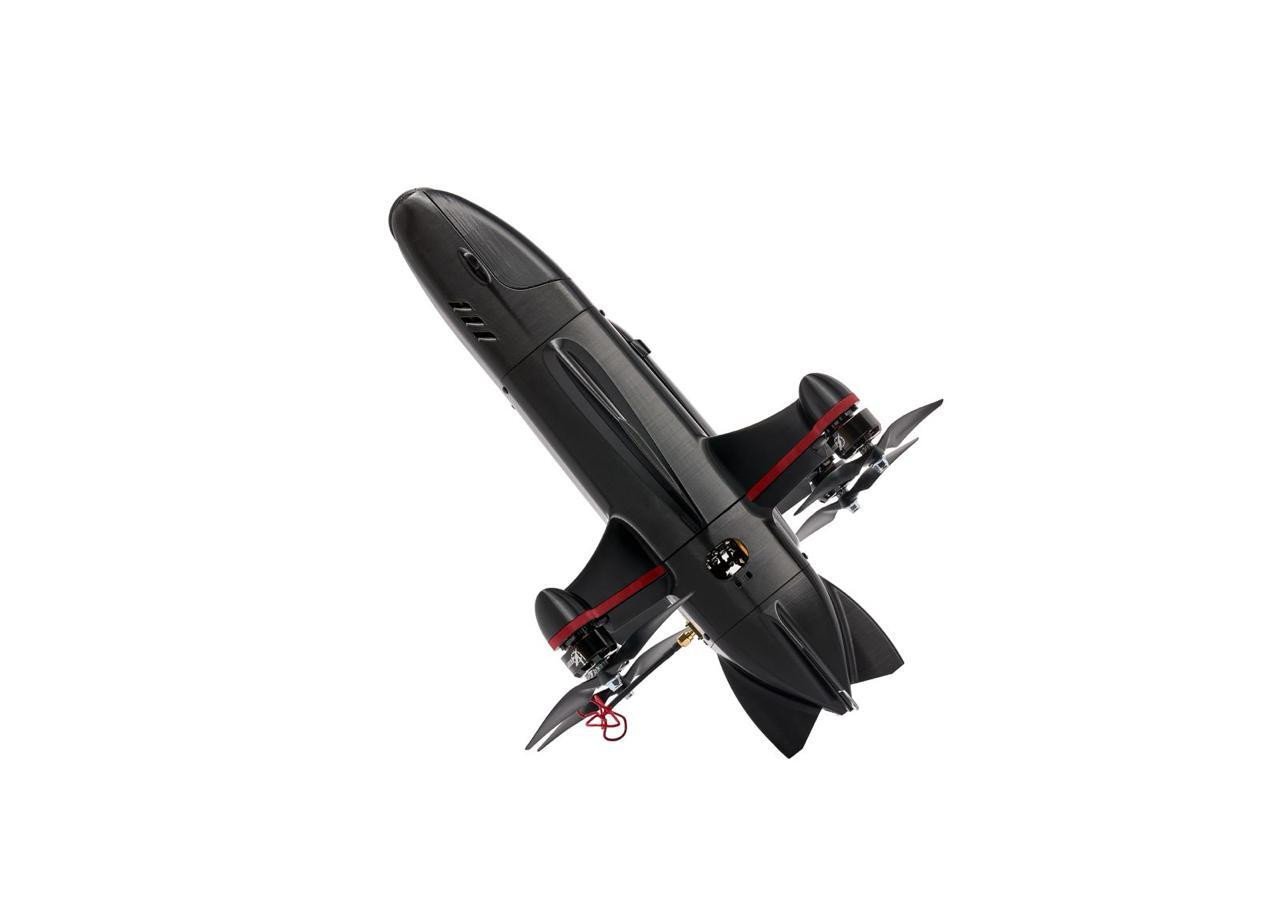
Ukrainian defense firm F-Drones has unveiled an upgraded version of its anti-drone interceptor, the LITAVR+, designed to counter jet-powered Shahed attack drones at speeds exceeding 400 km/h.
Company CEO Stanislav Khutor revealed the upgraded unmanned aerial vehicle during an interview with LB. ua on August 10.
We bring you stories from the ground. Your support keeps our team in the field.
He noted that the system is equipped with modified engines and specialized electronics engineered to achieve higher velocity while keeping the exact form factor of the original LITAVR baseline model.
According to details provided to Militarnyi, the system incorporates proprietary flight controllers, software from the LARAG framework, and specialized powerplants manufactured in-house.
The system features a GPS-free navigation capability alongside a terminal optical guidance mechanism, often referred to as last-mile targeting or pixel lock.
"And, of course, the remote control technology, when the pilot can control the drone from virtually anywhere in the world," clarified the CEO of F-Drones regarding the UAV’s specifications.
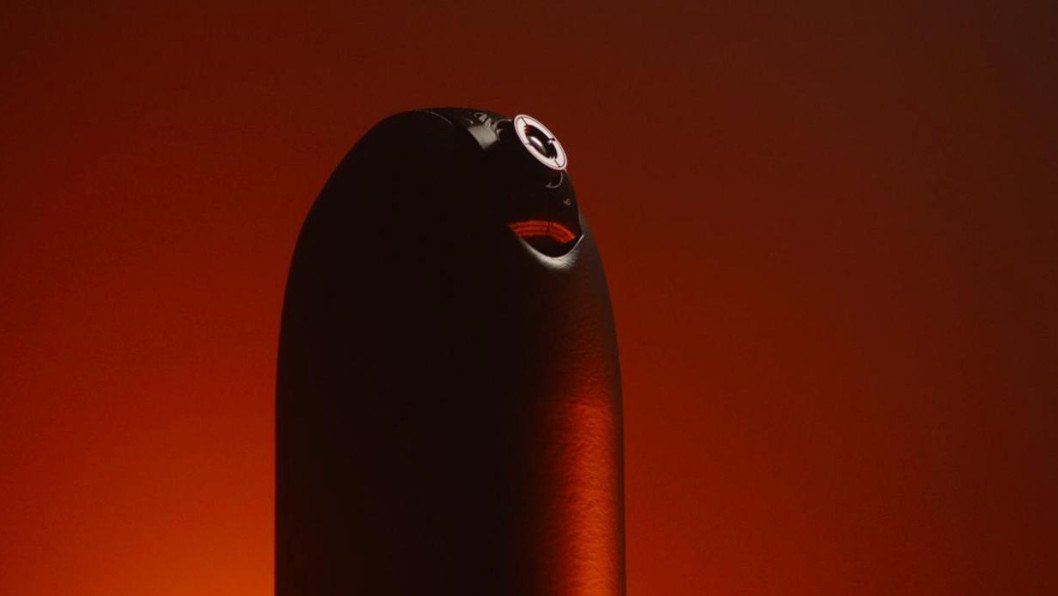
Stanislav Khutor confirmed that the LITAVR+ has completed factory testing cycles and is currently undergoing active operational evaluation in combat conditions.
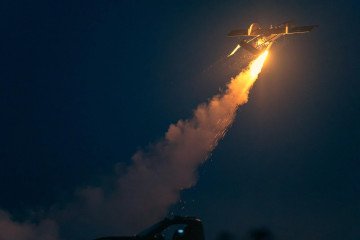
Released footage demonstrates the system successfully engaging and neutralizing a hostile jet-powered Shahed threat.
Manufacturer technical specifications for the previous iteration of the LITAVR system outline a top speed of 350 km/h and an operational flight endurance of up to 15 minutes. The system also features a standard service radius of 40 kilometers and a maximum flight ceiling reaching up to 9,000 meters.
Units operating under the Unmanned Systems Forces recorded a maximum engagement distance of 84 kilometers from launch coordinates.
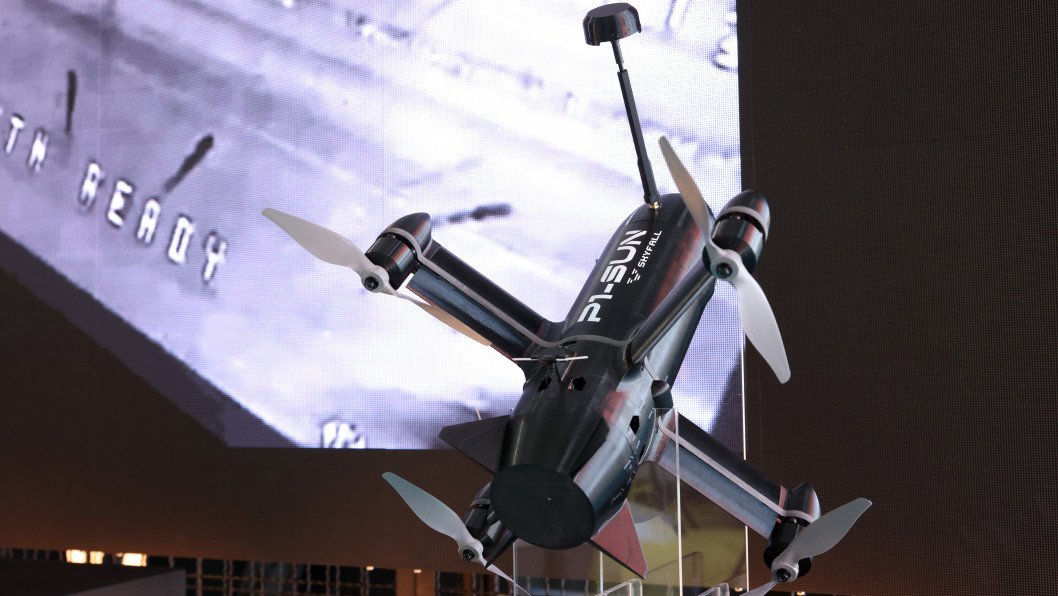
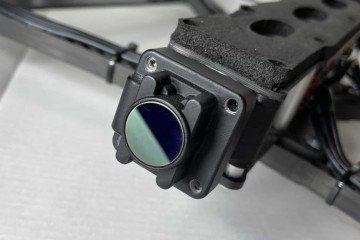
The system carries a 500-gram warhead located inside the nose section of the fuselage. The platform utilizes a specialized dual-camera optical payload featuring daytime and thermal imaging sensors with dynamic mid-flight switching capabilities.
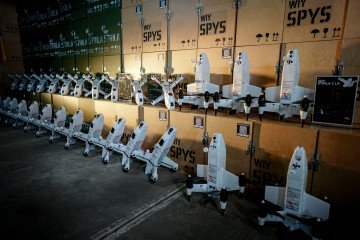
Deliveries are supplied in two configurations, including unequipped airframes for field packing or fully pre-assembled explosive units.
F-Drones initially showcased an updated variant of the base LITAVR interceptor on May 22, integrating secondary target identification equipment alongside an automated target destruction module.
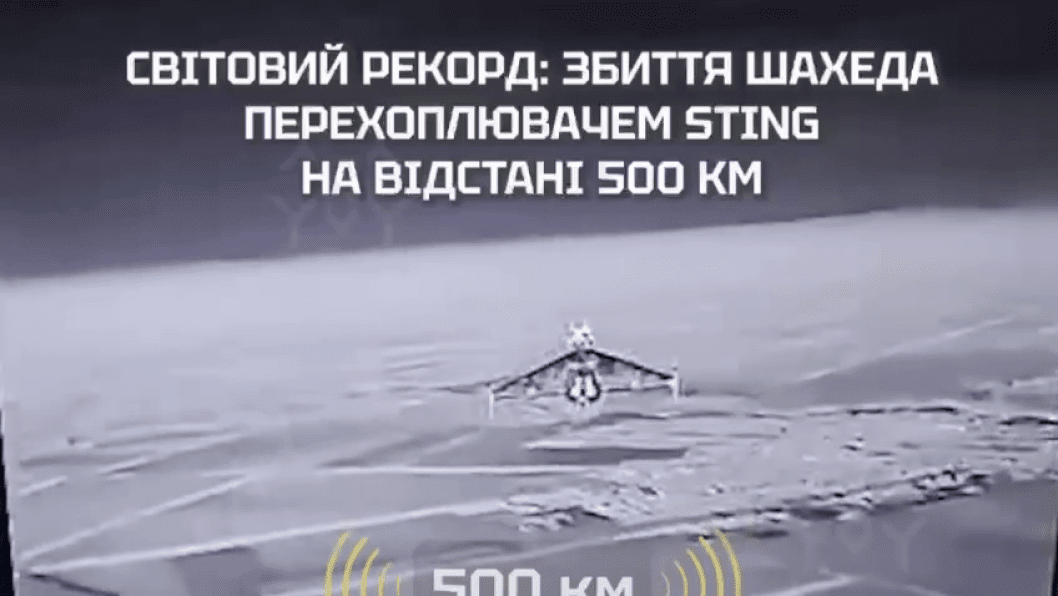
The record-breaking 500 km intercept by the Bulava unit is part of a massive surge in Ukrainian air defense efficiency documented throughout early 2026. In March alone, Kyiv’s forces destroyed over 2,300 aerial targets—a 55% increase compared to February—driven by the rapid scaling of low-cost interceptor drones and AI-assisted guidance systems.
These platforms have become a cornerstone of a layered defense strategy that includes mobile fire groups and helicopters, which alone neutralized 379 drones last month.
This shift toward automated, high-precision interception is not only stabilizing the frontline but has also sparked significant international interest from partners in the Middle East seeking to adopt Ukraine’s battle-proven anti-drone architecture.
Discuss this article: