- Category
- Latest news
Ukraine Shot Down 2,300+ Russian Targets in a Month—Interceptor Drones Are Scaling Fast
 Prefer U24 Media on Google
- Authors


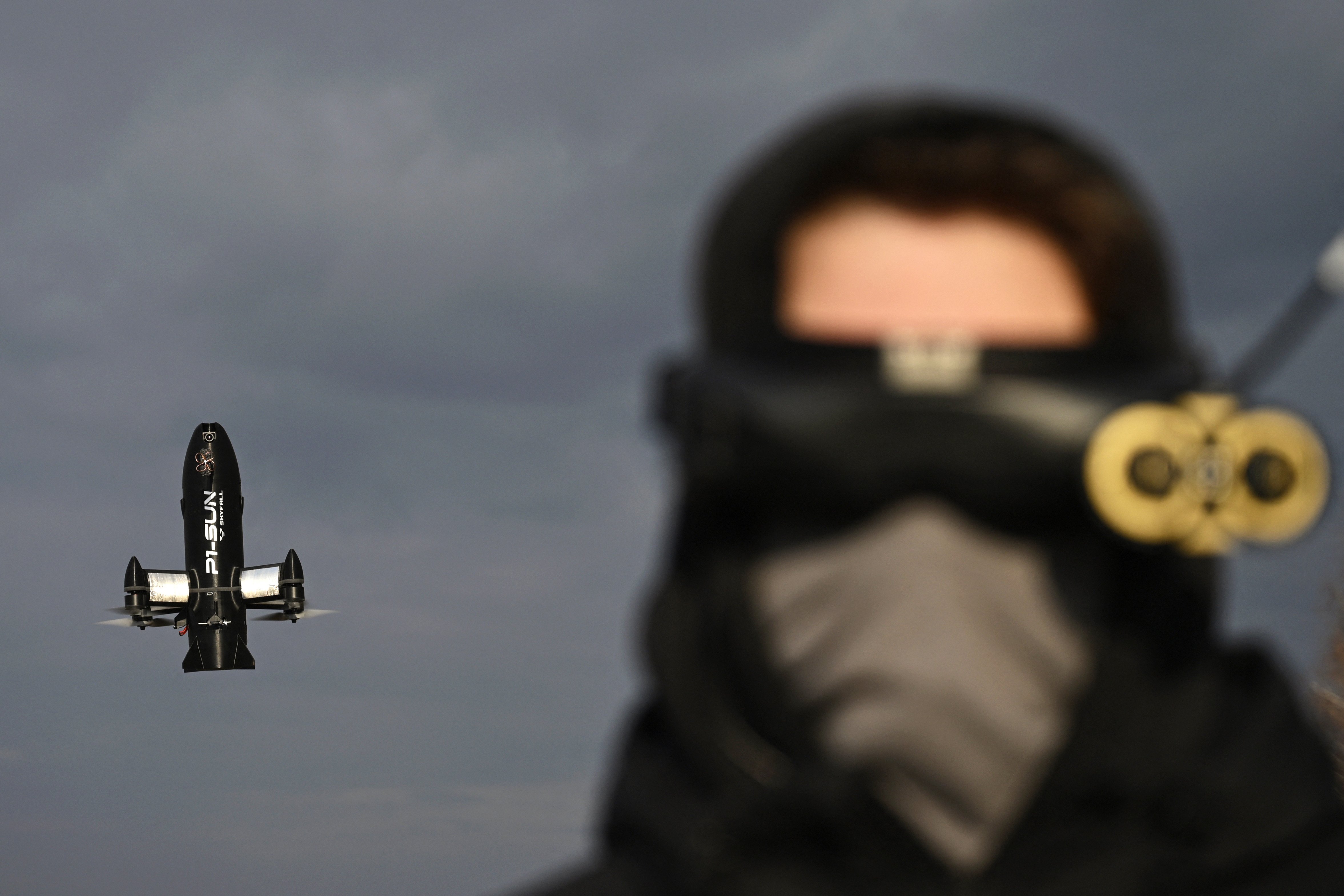
Ukraine’s air defense forces destroyed more than 2,300 Russian aerial targets in March, marking a 55% increase compared to February, according to a statement published by Commander-in-Chief of the Armed Forces of Ukraine Oleksandr Syrskyi on March 30.
We bring you stories from the ground. Your support keeps our team in the field.
According to Syrskyi, the rise reflects a significant expansion in the use and effectiveness of interceptor drones, which have become a key component of Ukraine’s layered air defense system. He said Ukrainian-made drones are currently delivering the highest performance.
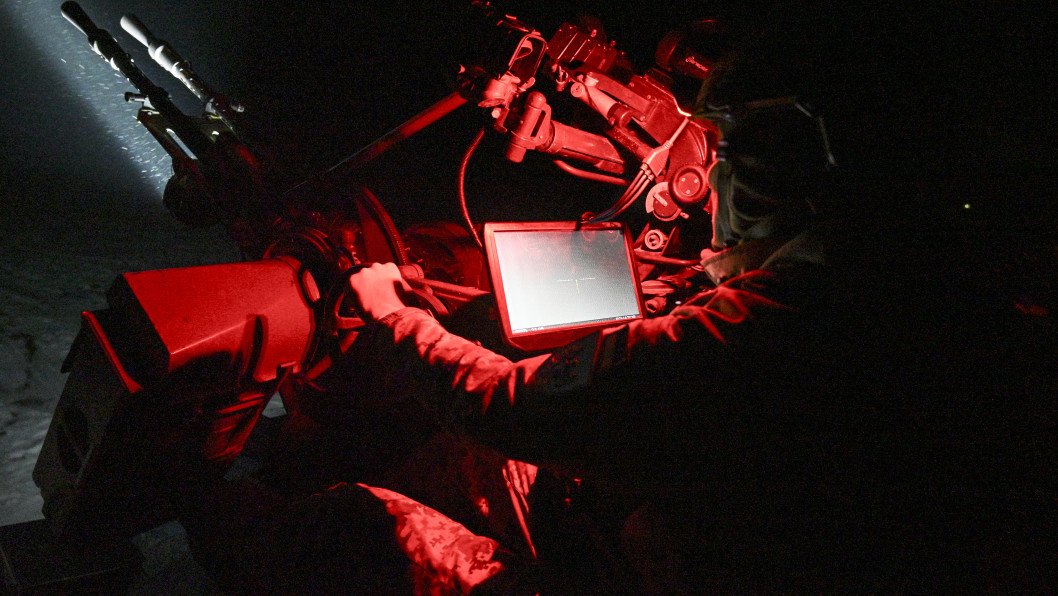
“The enemy is not stopping its attacks—on the contrary, it is increasing production, modernizing drones, and improving their use. Since the beginning of March, our helicopters have destroyed 379 enemy attack drones. Surface-to-air missile units, mobile fire groups, and separate anti-aircraft machine gun battalions are also operating effectively against aerial targets,” Syrskyi stated.
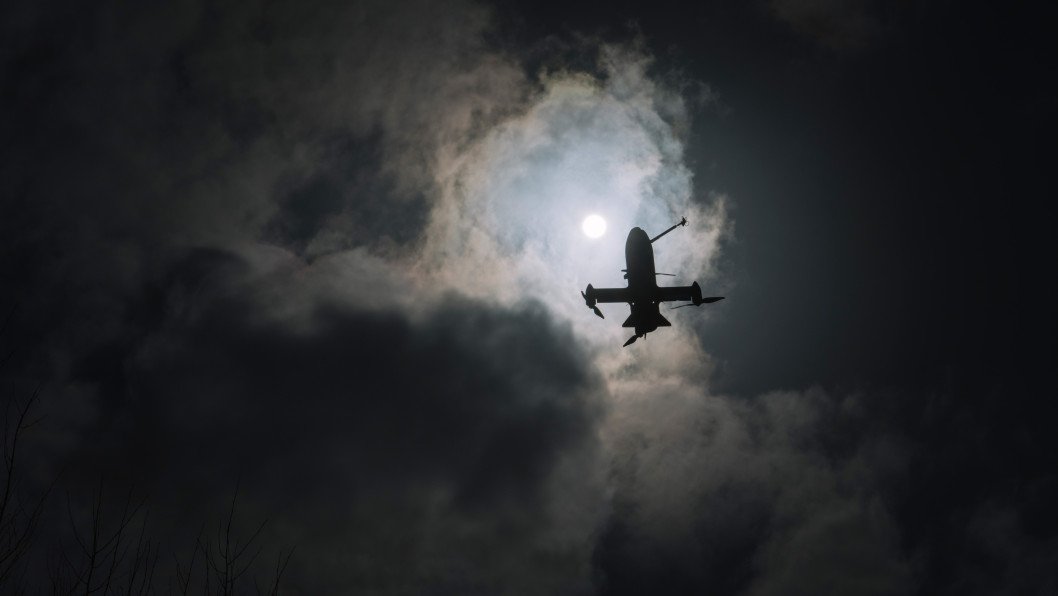
The data indicates that interceptor drone operations intensified sharply over the past month, with both sortie numbers and successful engagements nearly doubling. In parallel, helicopters, surface-to-air missile units, and mobile fire groups continued to play a major role in countering Russian aerial threats. Ukrainian helicopters alone destroyed 379 attack drones since the beginning of March.
According to Syrskyi, Ukraine is continuing to scale up production of interceptor drones, particularly those equipped with automated guidance systems. He also noted ongoing efforts to integrate artificial intelligence into air defense systems to increase automation across both aerial and ground-based platforms.
At the same time, Russian forces are adapting their tactics. Syrskyi said Moscow is increasing drone production, upgrading systems, and refining how they are deployed in attacks against Ukraine.
What are interceptor drones and why Ukraine is scaling them?
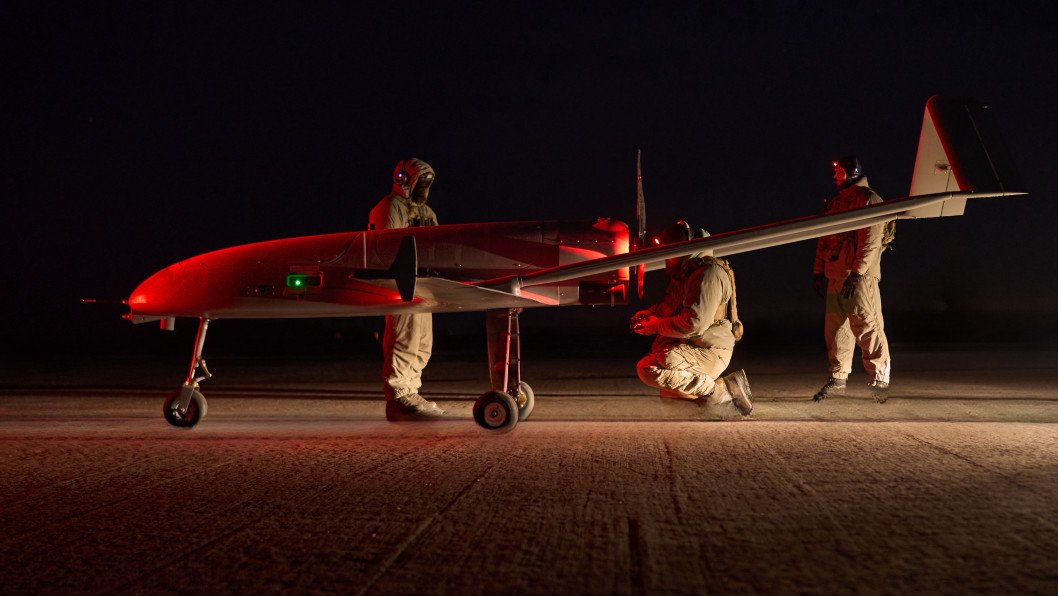
Interceptor drones are unmanned aerial vehicles designed to detect, track, and physically neutralize airborne threats—primarily other drones. Unlike traditional air defense systems that rely on expensive missiles, interceptor drones offer a low-cost, flexible alternative capable of engaging targets at short to medium ranges.
They are typically equipped with onboard cameras, guidance systems, and in some cases automated or AI-assisted targeting, allowing operators to intercept enemy drones in real time or operate with partial autonomy.
In Ukraine, interceptor drones have become a central element of the country’s evolving air defense architecture. Faced with large-scale and sustained attacks by Russian Shahed-type drones, Ukrainian forces have adapted by deploying layered defenses that combine missile systems, electronic warfare, mobile fire groups, and increasingly, interceptor drones.
This approach allows Ukraine to preserve high-value air defense missiles while using more cost-effective solutions against mass-produced aerial threats.
Ukrainian-made interceptor drones have demonstrated particularly high efficiency on the battlefield. According to official statements from Ukraine’s military leadership, their use has expanded rapidly, with thousands of aerial targets intercepted in recent months.
The focus is now shifting toward scaling production and integrating automated guidance and artificial intelligence to improve response time and reduce operator workload.
Interest in Ukraine’s interceptor drone technology is also growing internationally. Countries in the Middle East—facing similar threats from Iranian-made drones—have already engaged with Ukrainian specialists and expressed interest in adopting or learning from these systems.
Ukraine has signaled its readiness to share operational experience and technology with partners, positioning interceptor drones not only as a battlefield innovation but also as an emerging export capability in the global defense market.
Earlier, according to The Times on March 18, Ukrainian air defense specialists deployed to the Middle East to support US and allied forces raised concerns over interception practices, including the reported use of multiple high-cost missiles—such as up to eight Patriot interceptors or SM-6 missiles costing millions of dollars—against relatively low-cost Shahed-type drones.
Ukrainian personnel contrasted this with their own approach focused on cost-efficiency and minimal missile use, developed during large-scale combat. “I don’t understand what they had been doing, what they have been looking at for the four years we’ve been fighting,” one Ukrainian officer said.
Discuss this article:
-9a7b3a98ed5c506e0b77a6663f5727c5.png)

-c439b7bd9030ecf9d5a4287dc361ba31.jpg "Photo of Katherina Popilnichenko")